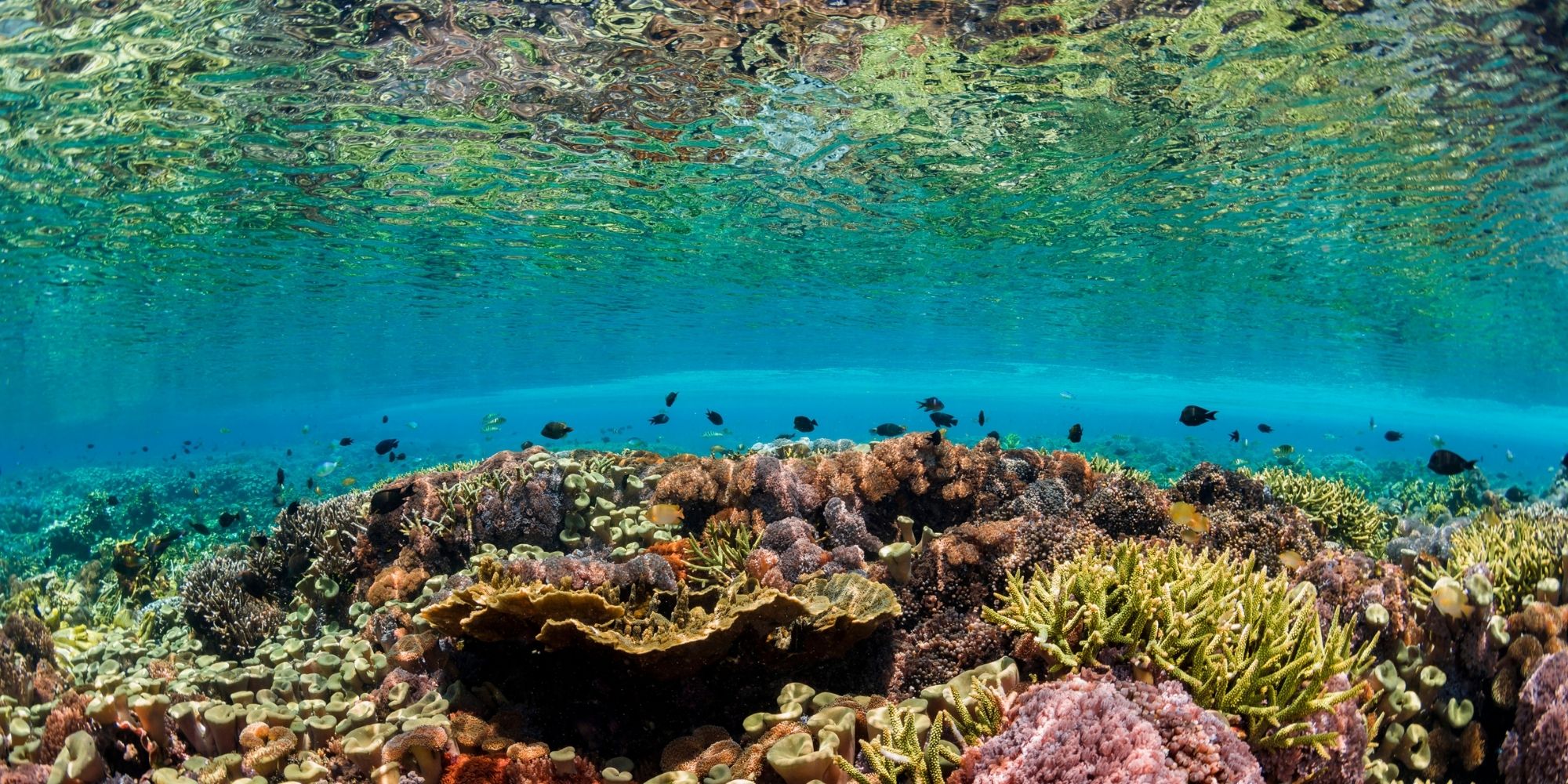
Thank You For Protecting Coral Reefs
Photo Credit: Beth Watson / Ocean Image Bank
Thank you—your purchase supports coral reef conservation efforts around the world!
Did you know that scientists predict that all coral reefs will be threatened by 2050? But there is still reason for hope. Scientific research shows that coral reefs can adapt to the effects of climate change if given the right conditions such as clean water, health fisheries, and intact ecosystems.
By saving coral reefs from the effects of climate change, you help more than a million marine species and support countless communities that depend on coral reefs for food, income, and coastal protection.
Stay Connected
See Where Your Donation Goes
-
Preparing the Pacific Region for CITES Shark Protections
On February 11 and 12, 2014, in Nadi, Fiji, The Pew Charitable Trusts, CORAL, and the Fiji Government hosted the Oceania Follow-up Regional Workshop on the Implementation of CITES Appendix II Shark Listings. With representatives from 11 countries in the Pacific and over 60 participants and observers, significant progress was made toward ensuring these newly…
-
CORAL Field Peeps Naneng Setiasih
NanengCoral Triangle Regional Manager Naneng Setiasih’s hope for the future of conservation is that nonprofits, businesses, and governments will learn to play better together. “We have so many prejudices and boxes,” she says. “I want to see more of us work across boxes. The environment is a job for everybody; we need to stop blaming…
-
Social Science in Coral Reef Conservation
The social sciences have historically been more intertwined with terrestrial conservation than with their marine counterpart. The notion of incorporating social science into conservation efforts began with the concept of Integrated Conservation and Development Programs (ICDPs), which aimed to simultaneously meet development and conservation goals. While the results of these projects were mixed, it remains…

