News & Events
Announcements
Credit: Andy Casagrande / Ocean Image Bank
-
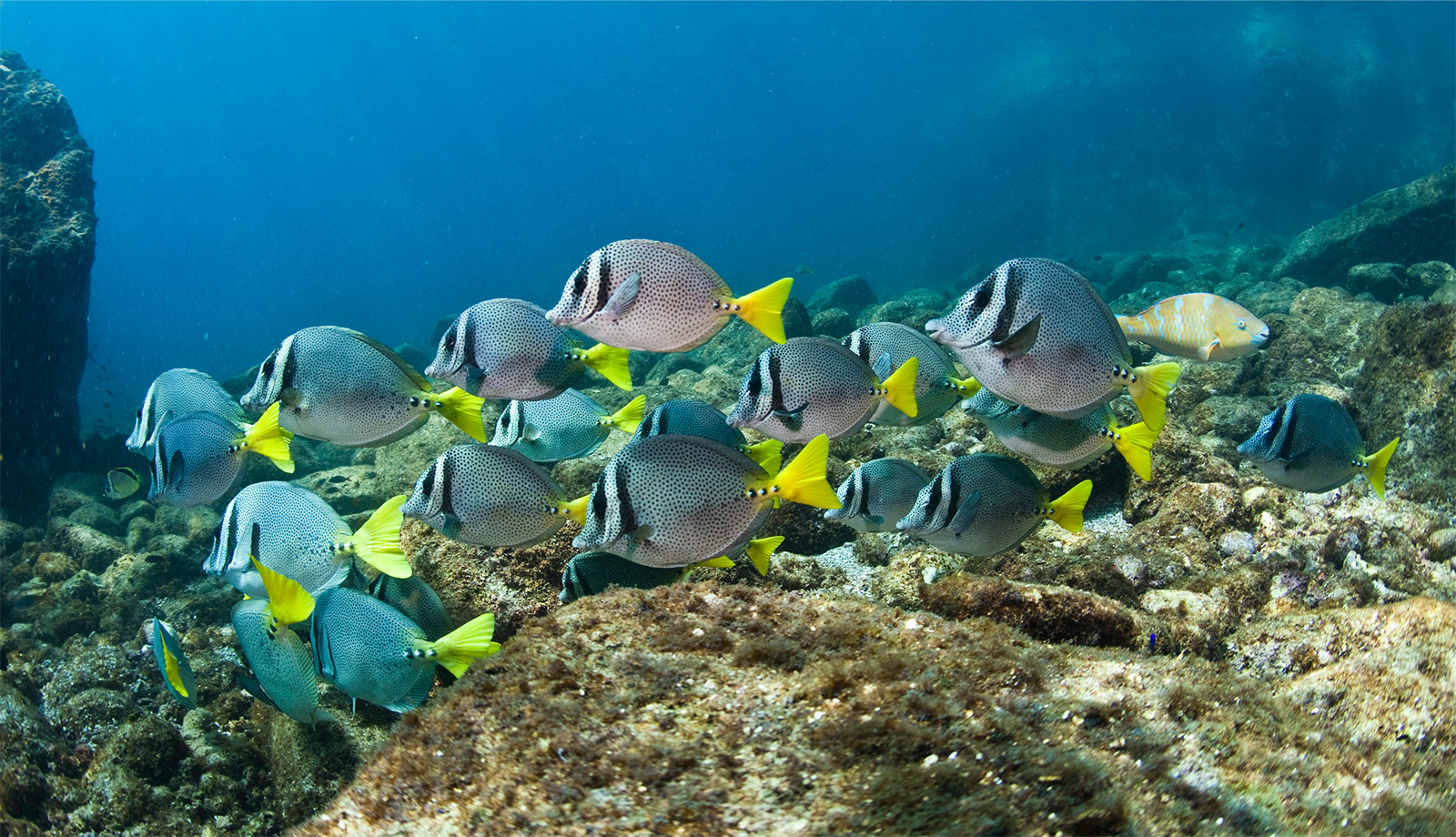
Meet Kaush Subramaniam, Wildlife Biologist, Photographer, and Filmmaker
Join us in welcoming Kaush, our newest CORAL Ambassador! From documenting whales and sharks to sharing stories from some of the world’s most remarkable marine ecosystems, Kaush has built a career at the intersection of science, conservation, and storytelling. As a wildlife biologist, photographer, and filmmaker, he uses powerful imagery to help people connect with…
-
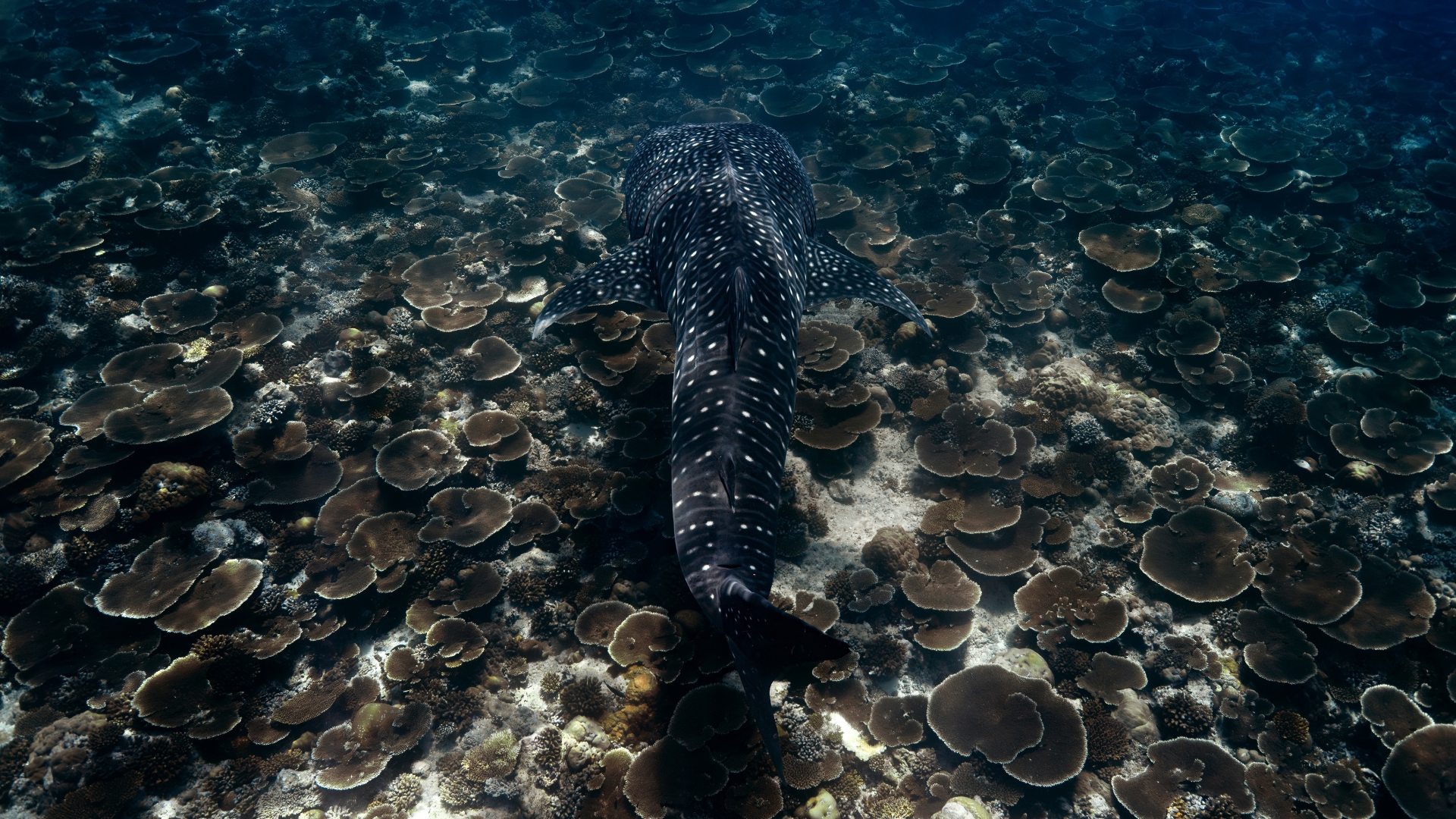
Invisible Threats to Coral Reefs
The most dangerous threats to coral reefs are the ones you can’t see. This World Oceans Month, we’re diving into these invisible threats and what we’re doing to address them. Every year in June, we rally together around the world to celebrate our oceans. We talk about the ways our oceans give us life, how…
-
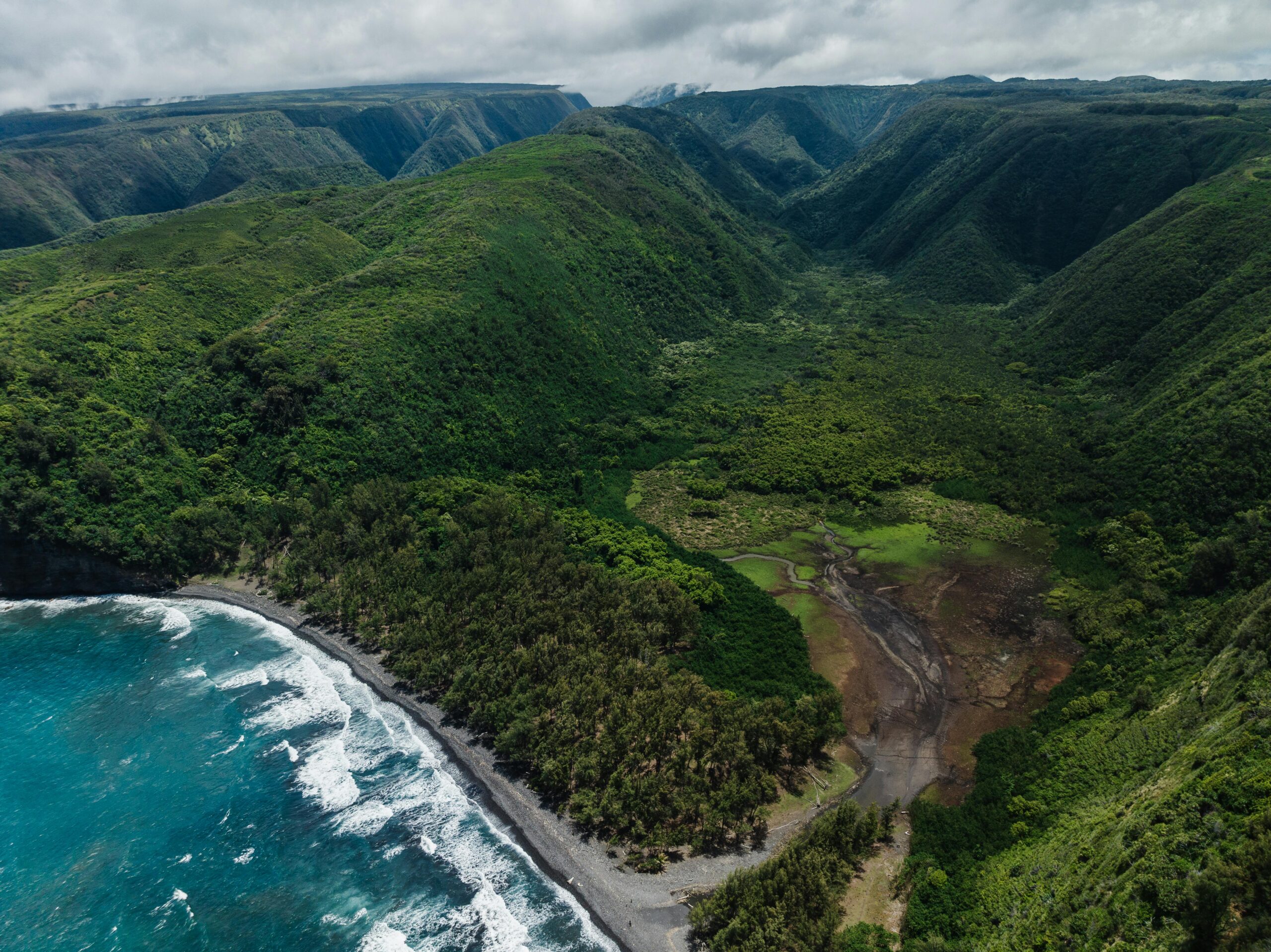
What is a Riparian Zone?
A riparian zone is the area of land alongside rivers, streams, and other freshwater systems where water and land meet. These spaces are often lined with native vegetation, including trees, shrubs, grasses, and wetlands that help stabilize soil and support biodiversity. Riparian zones may seem far removed from coral reefs, but they are deeply connected.…
-

What Does El Niño Mean for Coral Reefs?
In 1997-8, a powerful El Niño event spread across the Pacific Ocean, driving record-breaking sea surface temperatures and triggering the first documented global coral bleaching event. Reefs from the Indian Ocean to the Caribbean experienced widespread stress, and in some regions, significant coral mortality followed. According to the National Oceanic and Atmospheric Administration (NOAA), this…
-
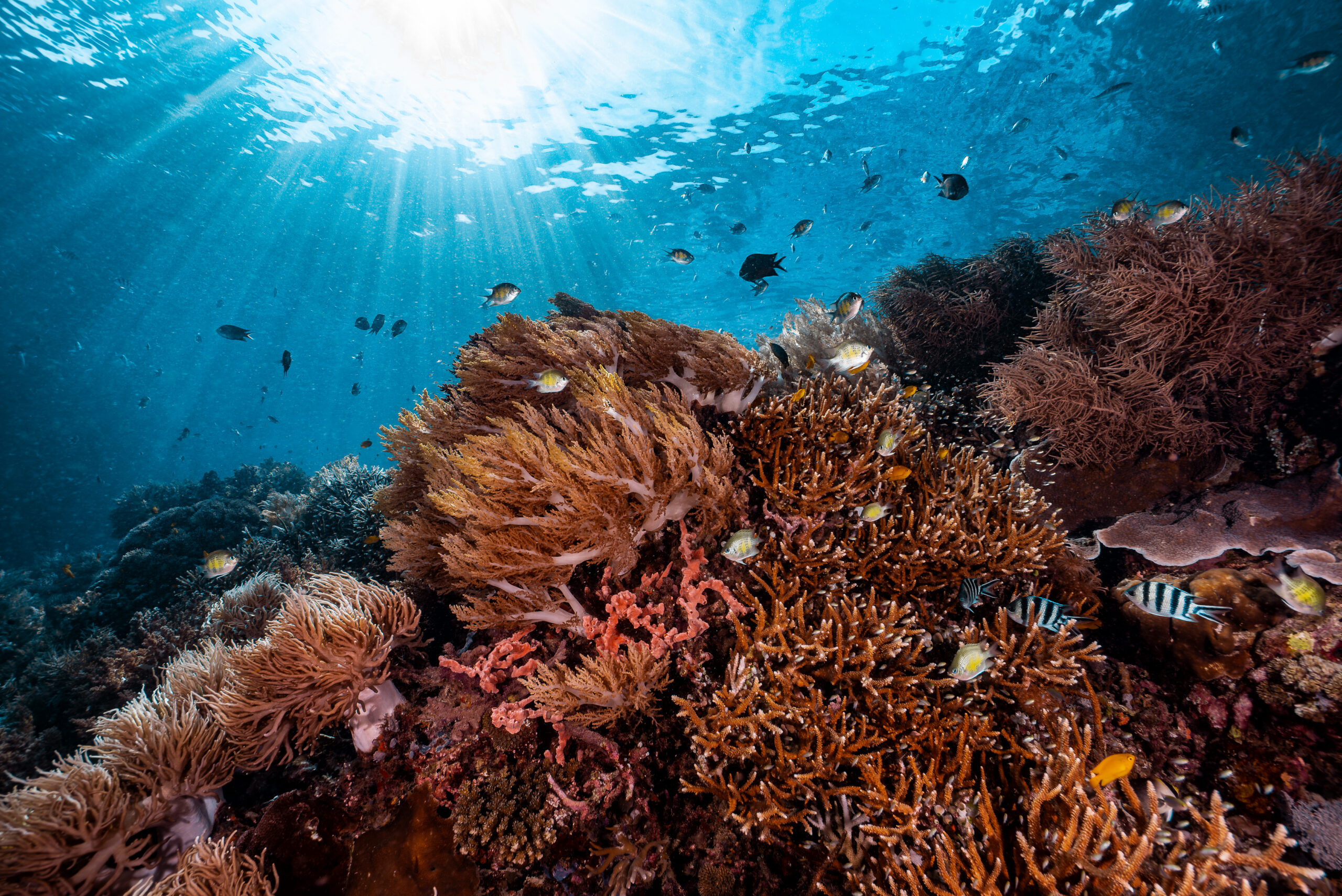
Coral Diversity, Where Adaptation Begins [Photo Gallery]
Think of a coral reef as a bustling city, full of unique homes, buildings, and landscapes. And with that, unique residents who all serve different purposes. This diversity is key to any city. The same is true underwater. The diversity of corals—along with the fish, invertebrates, and algae that live among them—is what keeps reef…
-
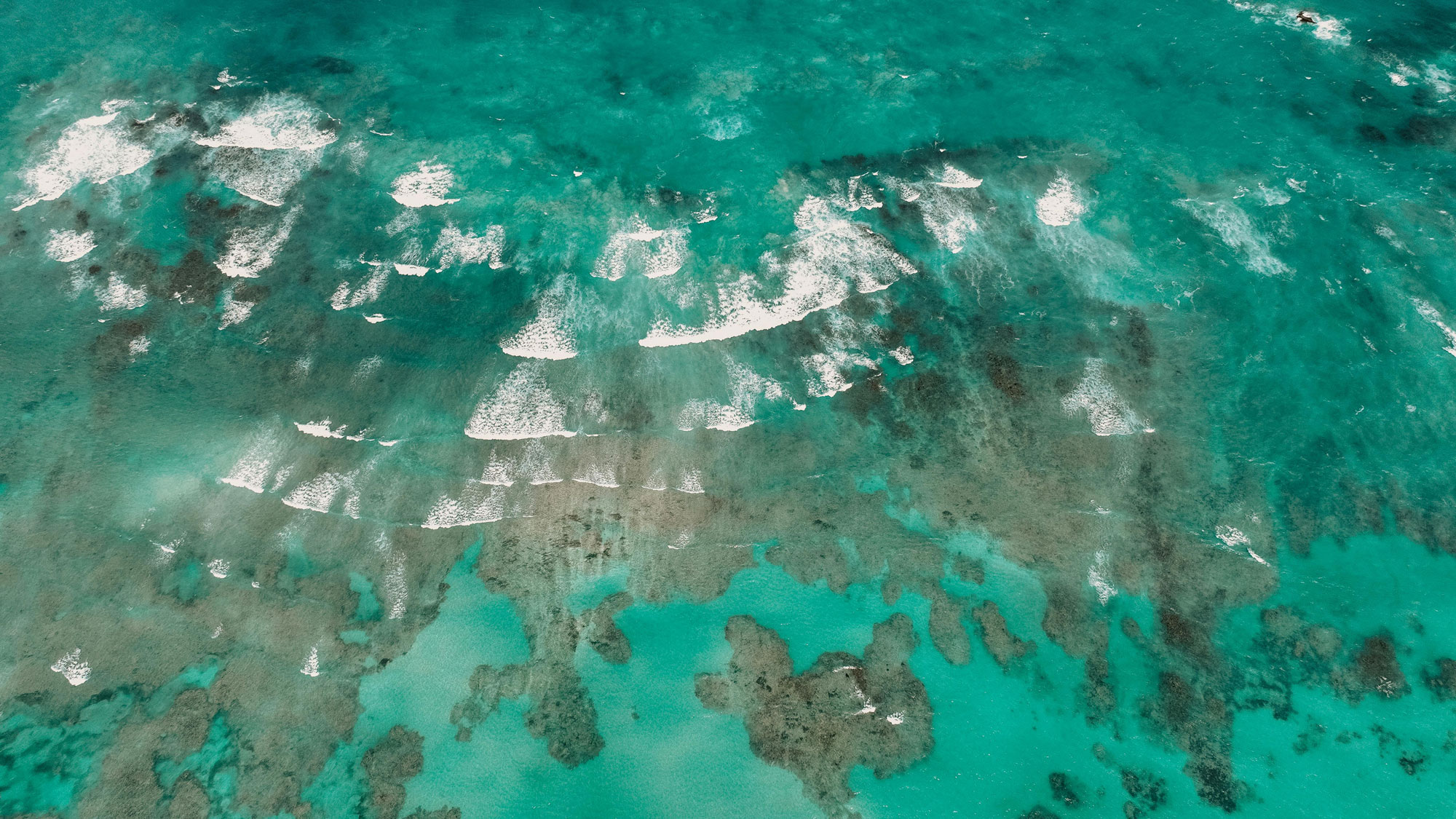
Why Connected Reefs Matter for the Future of Coral Conservation
Coral reefs are facing more pressure than ever, specifically warming oceans, land-based pollution, and overfishing. But despite these growing challenges, reefs still have an incredible capacity to adapt. The key is making sure they’re healthy, connected, and supported at scale. At the Coral Reef Alliance (CORAL), our conservation strategy focuses on building connected reef networks—large,…
Stay Connected
Subscribe to our newsletter to find out about our coral reef conservation efforts and what you can do.