Where We Work
Eastern Caribbean Hub
Protecting Coral Reefs Across the Eastern Caribbean
Across the Eastern Caribbean, coral reefs support fisheries, drive tourism, and strengthen communities whose lives are connected to the sea. But climate change, pollution, and limited conservation resources are putting these reefs at risk.
That’s why we expanded our work into the Eastern Caribbean in 2025, collaborating alongside local partners to protect coral reefs, improve water quality, and strengthen marine conservation across the region.
Our Regional Vision
By working with local communities and conservation partners, we’re focused on three connected priorities:

Cleaner Coastal Waters
Reducing wastewater pollution to improve water quality for reefs and communities.
Effective Marine Protection
Strengthening the management and long-term funding of marine protected areas.
Local Partnerships
Supporting community-led conservation that can continue for generations.
Improving Water Quality in Dominica
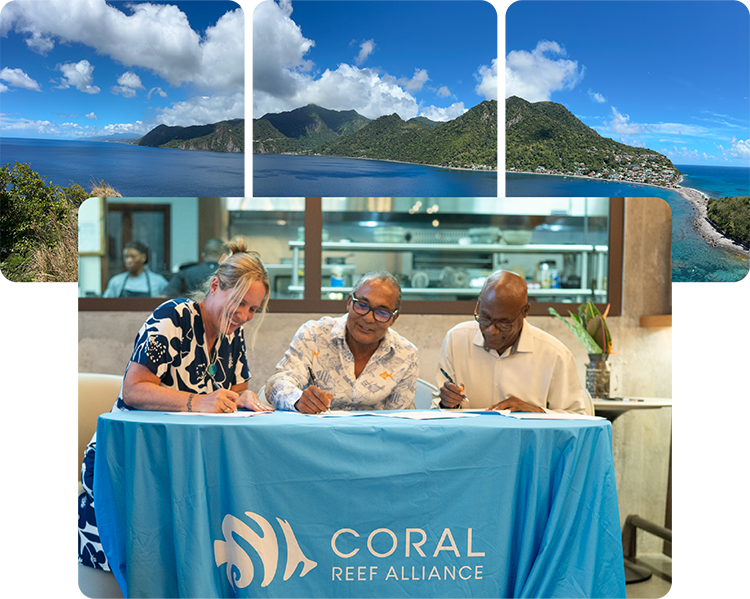
In Roseau, Dominica, CORAL is partnering with the Dominica Water and Sewerage Company (DOWASCO) to improve the Baytown Wastewater Treatment Facility, which has been out of operation since Hurricane Maria in 2017.
Without functioning treatment infrastructure, untreated wastewater has entered coastal waters, threatening reef health and raising public health concerns.
With support from Outrigger Impact, this project will remove 70–90% of excess nutrients from wastewater, benefiting more than 14,500 residents while improving conditions for nearby coral reefs.
Strengthening Marine Protected Areas
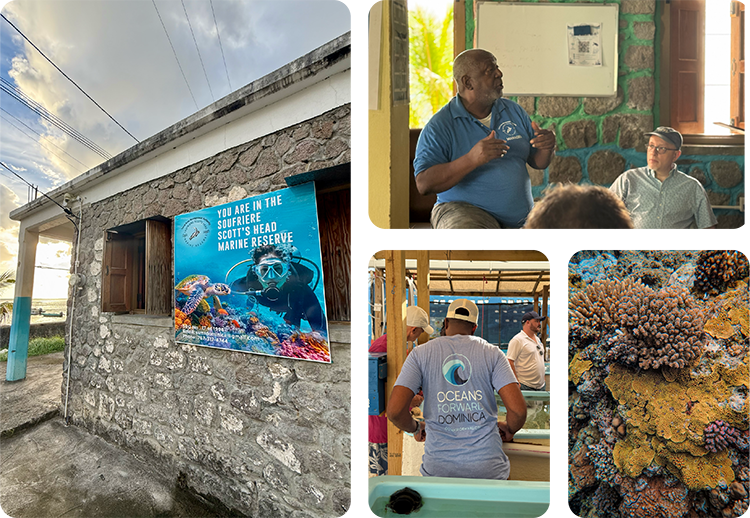
A marine protected area needs more than boundaries on a map. It needs the resources, people, and tools to protect marine life effectively.
In the Scotts Head Marine Reserve, CORAL is working with Oceans Forward and the Local Area Management Authority (LAMA) to improve reserve management through clearer boundaries, mooring buoys, stronger enforcement, and sustainable financing.
Together, we’re supporting a management system designed to generate $150,000–$200,000 annually by 2030 to fund patrols, enforcement, and long-term reef and fisheries monitoring.
Our Impact in the Eastern Caribbean
72.2
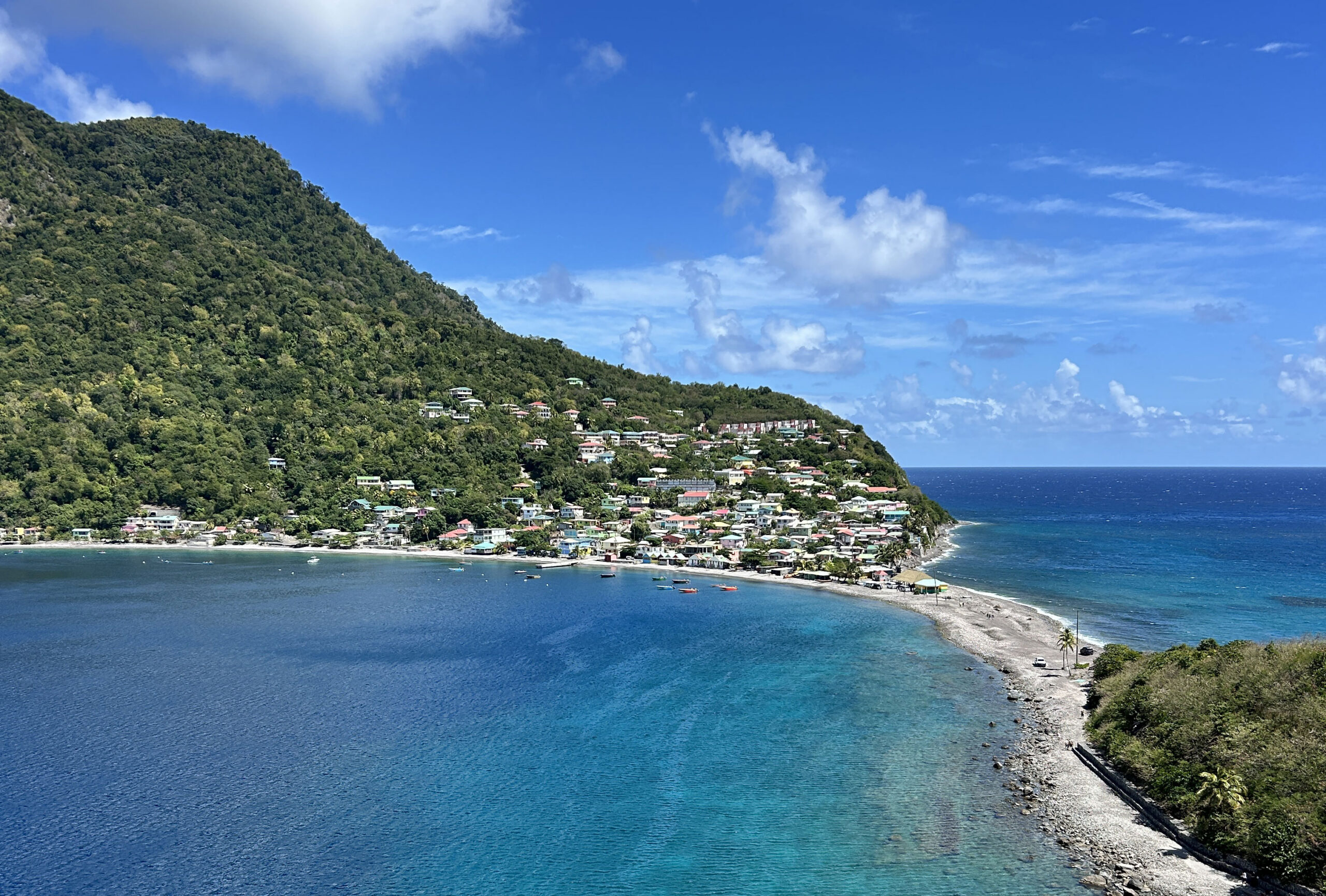
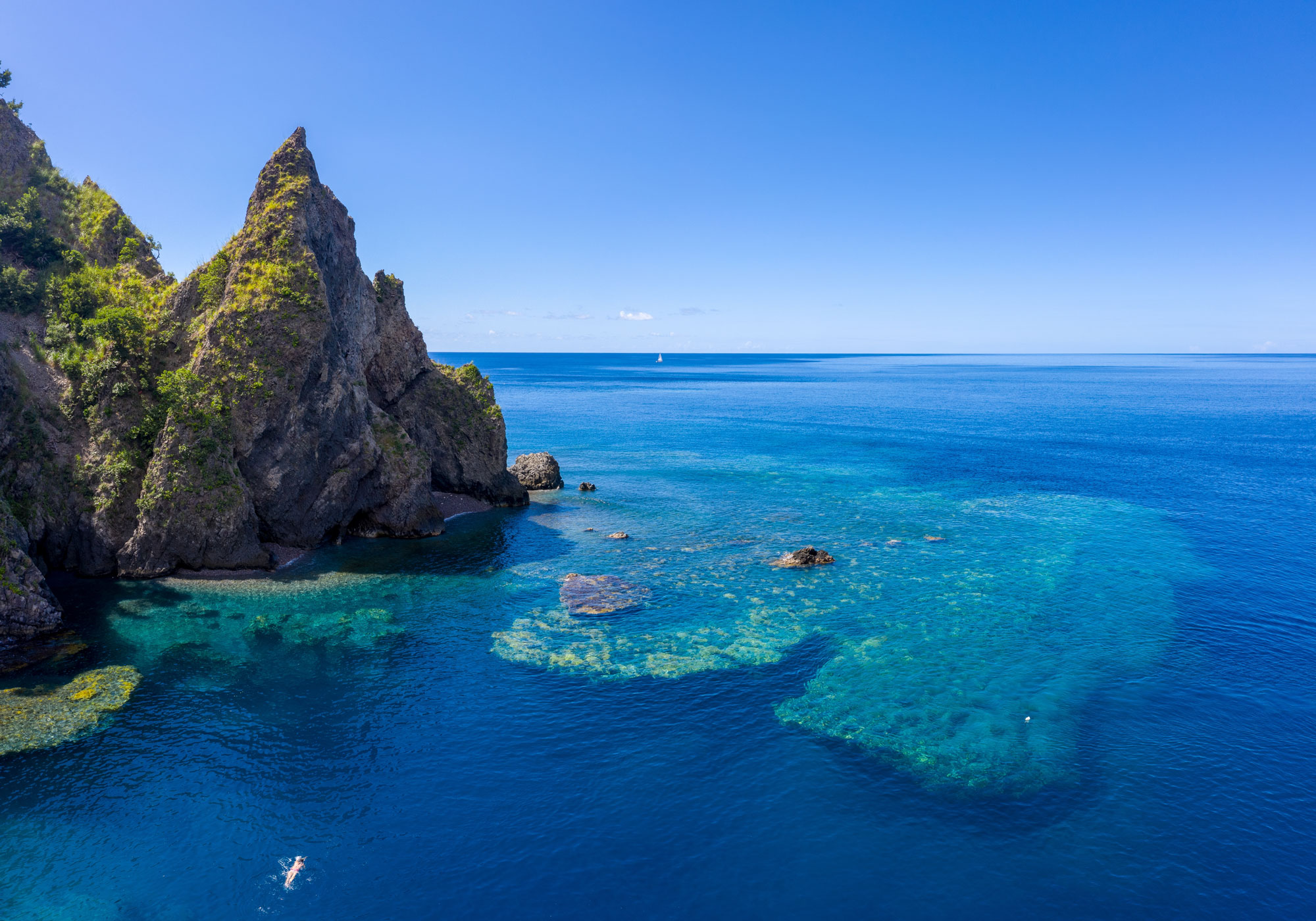
Hectares of coral reef surround Dominica, known as the “Nature Island of the Caribbean” due to its rich biodiversity, lush landscapes, and natural heritage extending from forests to rivers to reefs.
20
Leaders and partners convened to discuss conservation priorities and solutions, uniting government, nonprofits, and conservation trust funds to shape practical plans for protecting Eastern Caribbean reefs.
2
Community wastewater projects are underway to reduce land-based pollution and protect the waters that sustain Dominica’s people, biodiversity, and coral reefs.
Invest in the Eastern Caribbean
By bringing together conservation science, local leadership, and regional partnerships, we’re working toward a future where healthy coral reefs and clean coastal waters are the standard.
EASTERN CARIBBEAN STORIES
-
A New Chapter for Coral Reef Conservation in Dominica
Originally published in CORAL Current magazine. Want more stories like this delivered to your mailbox? Become a supporter with an annual gift of $100 or more. Written by Mandy Norman, CORAL’s Development and Marketing Director In late 2025, our team embarked on a scoping mission to Dominica – a lush, volcanic island where the Atlantic…
-
CORAL’s Expansion into the Eastern Caribbean
By Zach Hoffman When I joined the Coral Reef Alliance, I knew our work spanned some of the most important coral reef ecosystems in the world. But knowing that on paper is very different from standing on the shore of one of those places for the first time. My first visit to CORAL’s Eastern Caribbean…
-
Scaling Coral Reef Conservation With Heather Starck
The Coral Reef Alliance is entering one of the most pivotal chapters in its 30-year history. With a major expansion into the Eastern Caribbean and an ambitious strategic plan already in motion, Executive Director Heather Starck is steering the organization toward deeper regional impact and stronger global collaboration, all while staying true to CORAL’s core…
-
CORAL Launches New Eastern Caribbean Hub
BREAKING: The Coral Reef Alliance is expanding to the Eastern Caribbean! For more than 30 years, the Coral Reef Alliance (CORAL) has teamed up with communities, scientists, and governments across Hawai‘i, the Mesoamerican Reef, and the Indo-Pacific to protect coral reefs and the people who depend on them. From keeping 30+ million gallons of sewage…