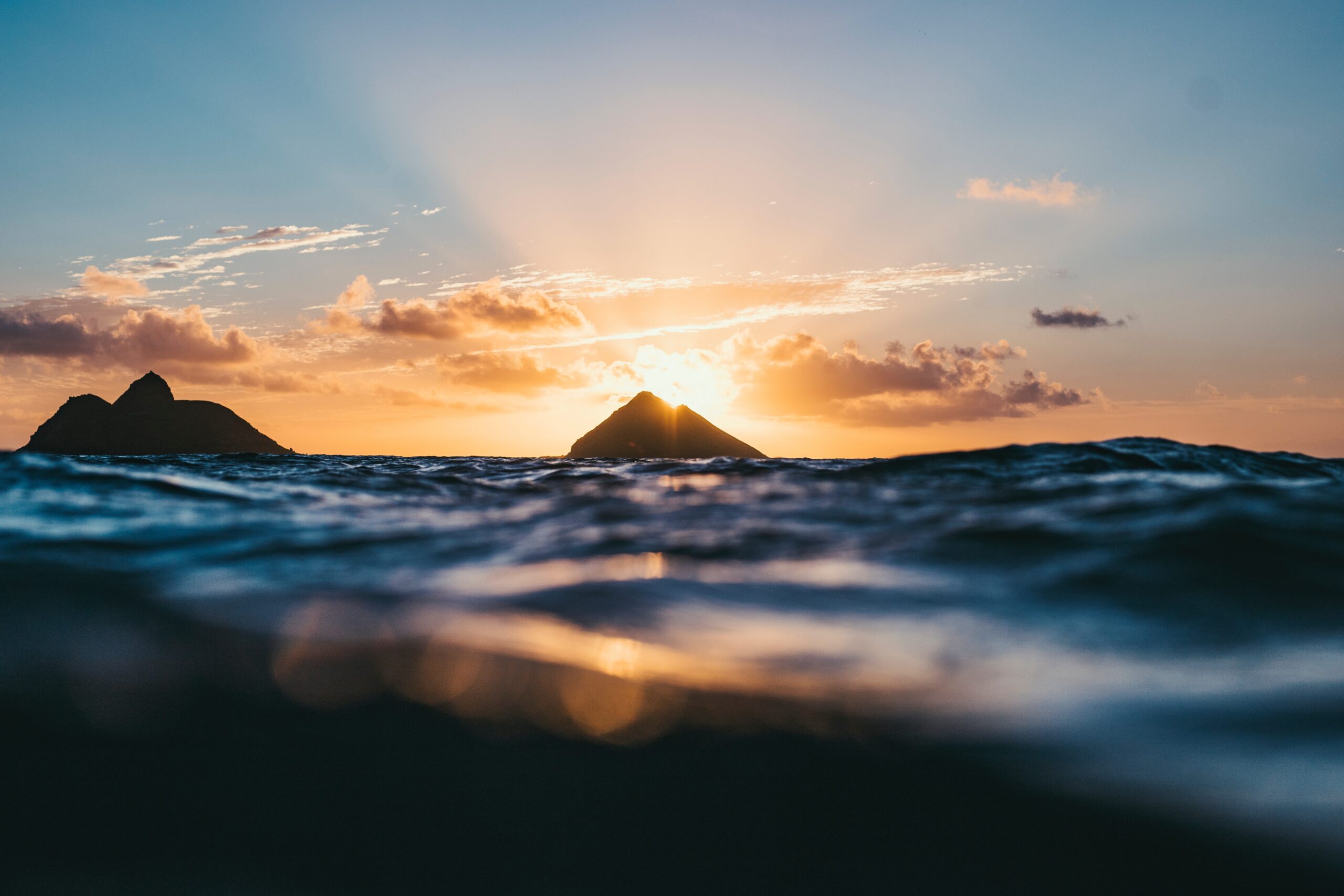
Land-based Pollution
Photo by Ryan Pernofski
-
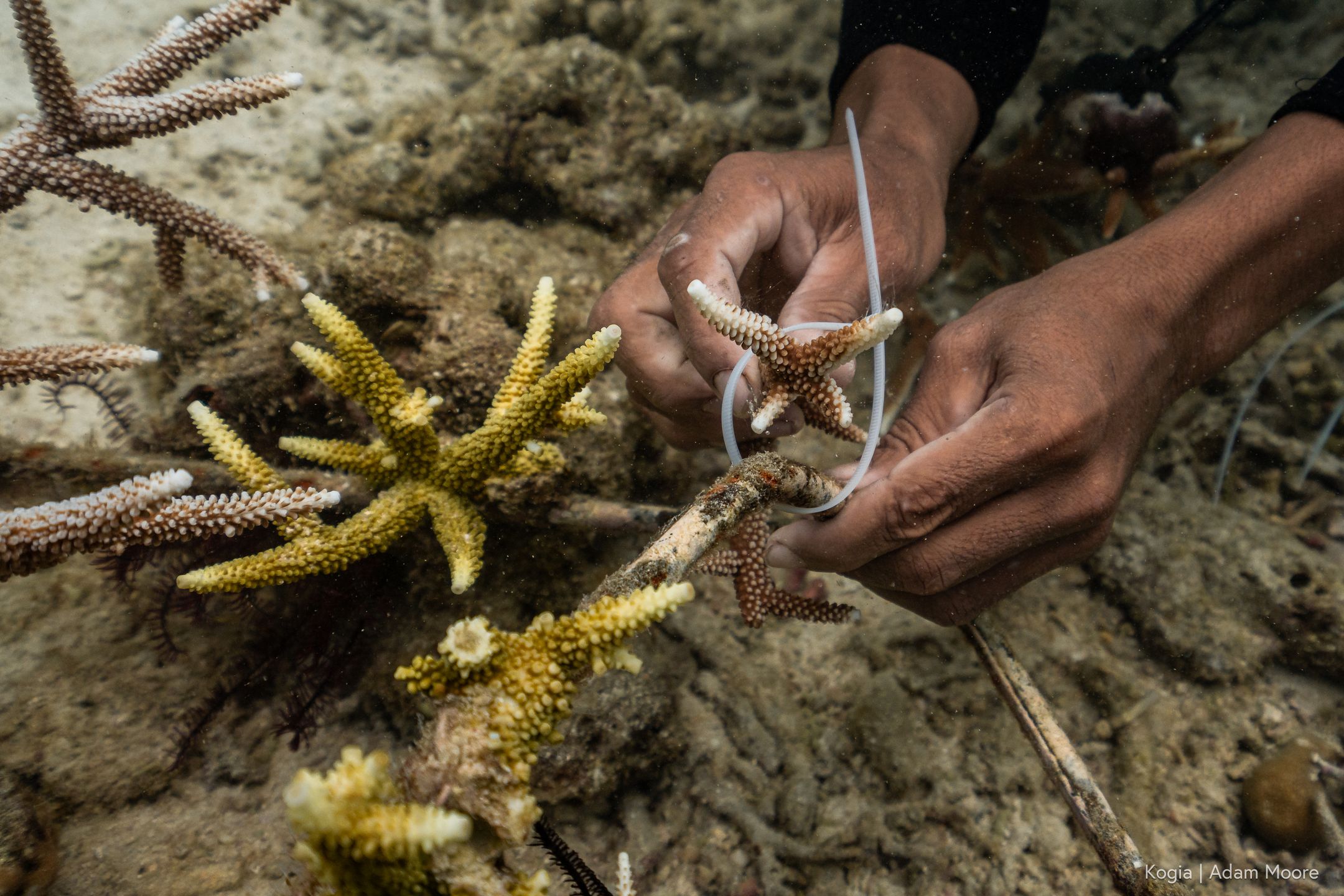
Adopt a Coral or Support the Whole Reef?
If you’ve ever searched for ways to help coral reefs, you’ve probably come across the opportunity to “adopt a coral.” It’s easy to understand the appeal. You can picture the coral you’re helping, follow its story, and feel connected to something happening underwater thousands of miles away. And coral restoration has an important role to…
-
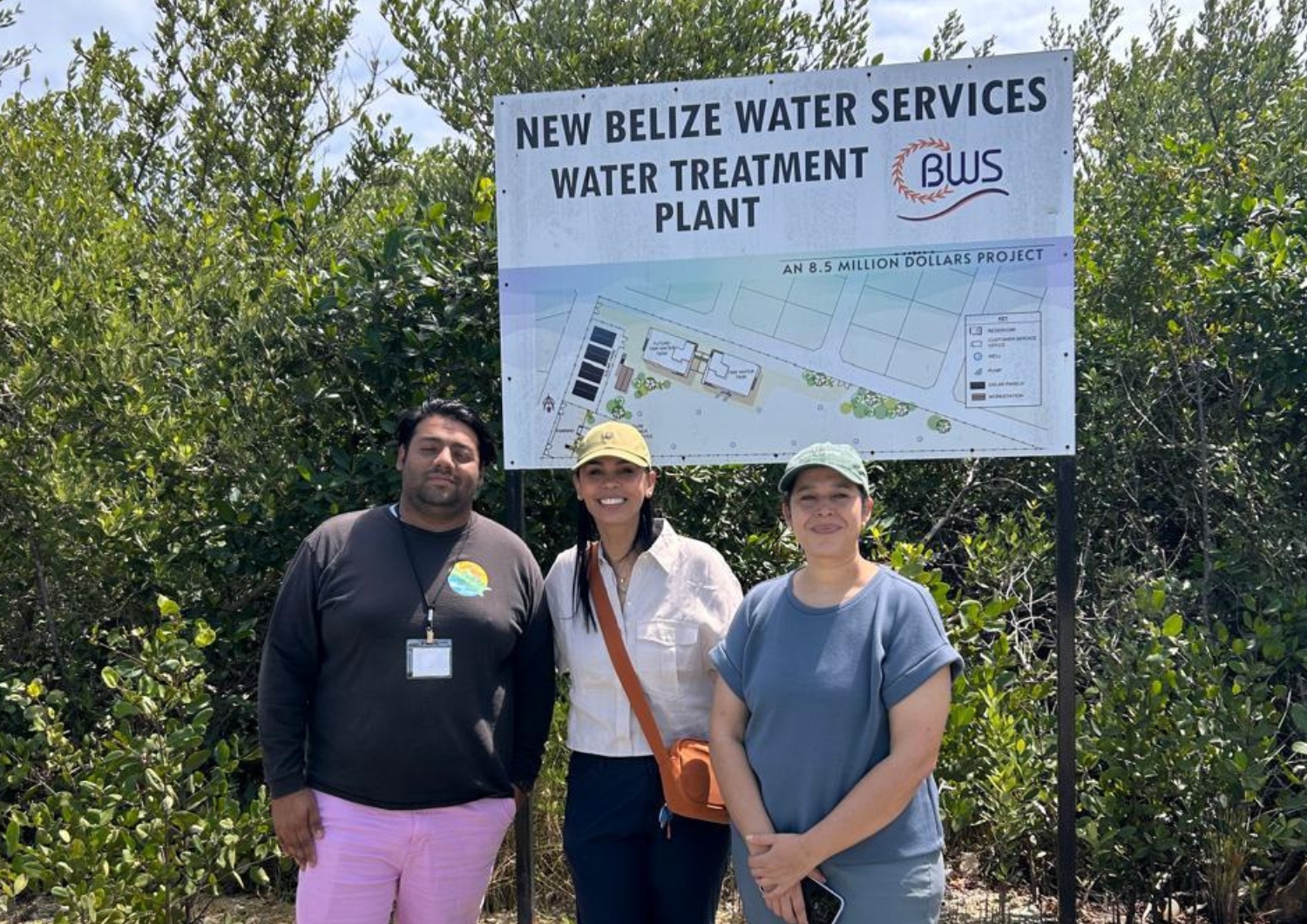
How Better Wastewater Management Can Protect Belize’s Coral Reefs
When people think about threats to coral reefs, they usually imagine coral bleaching or rising ocean temperatures. While climate change remains the greatest long-term challenge, another threat is harming reefs every day, and it often goes unnoticed. Untreated wastewater. Around the world, wastewater carries excess nutrients, bacteria, and other pollutants into coastal waters. These pollutants…
-
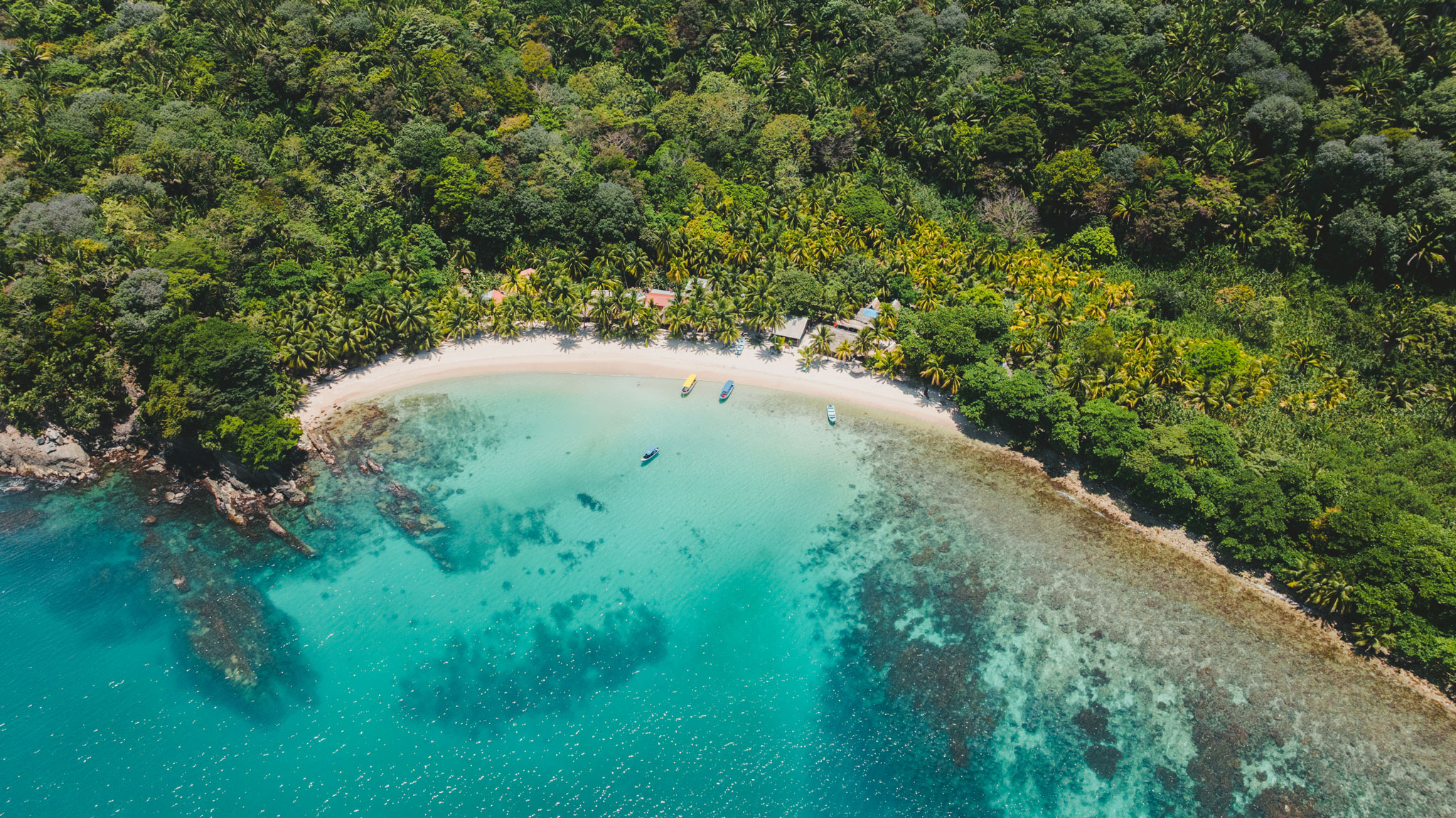
Can an MPA really be protected if there’s a sewage problem?
For decades, the playbook for saving our oceans has been relatively straightforward: draw a line on a map, declare it a Marine Protected Area (MPA), and restrict activities like commercial fishing, shipping, and industrial drilling. It sounds like a solid plan, and on paper, it looks even better. But there’s a glaring, dirty truth these…
-
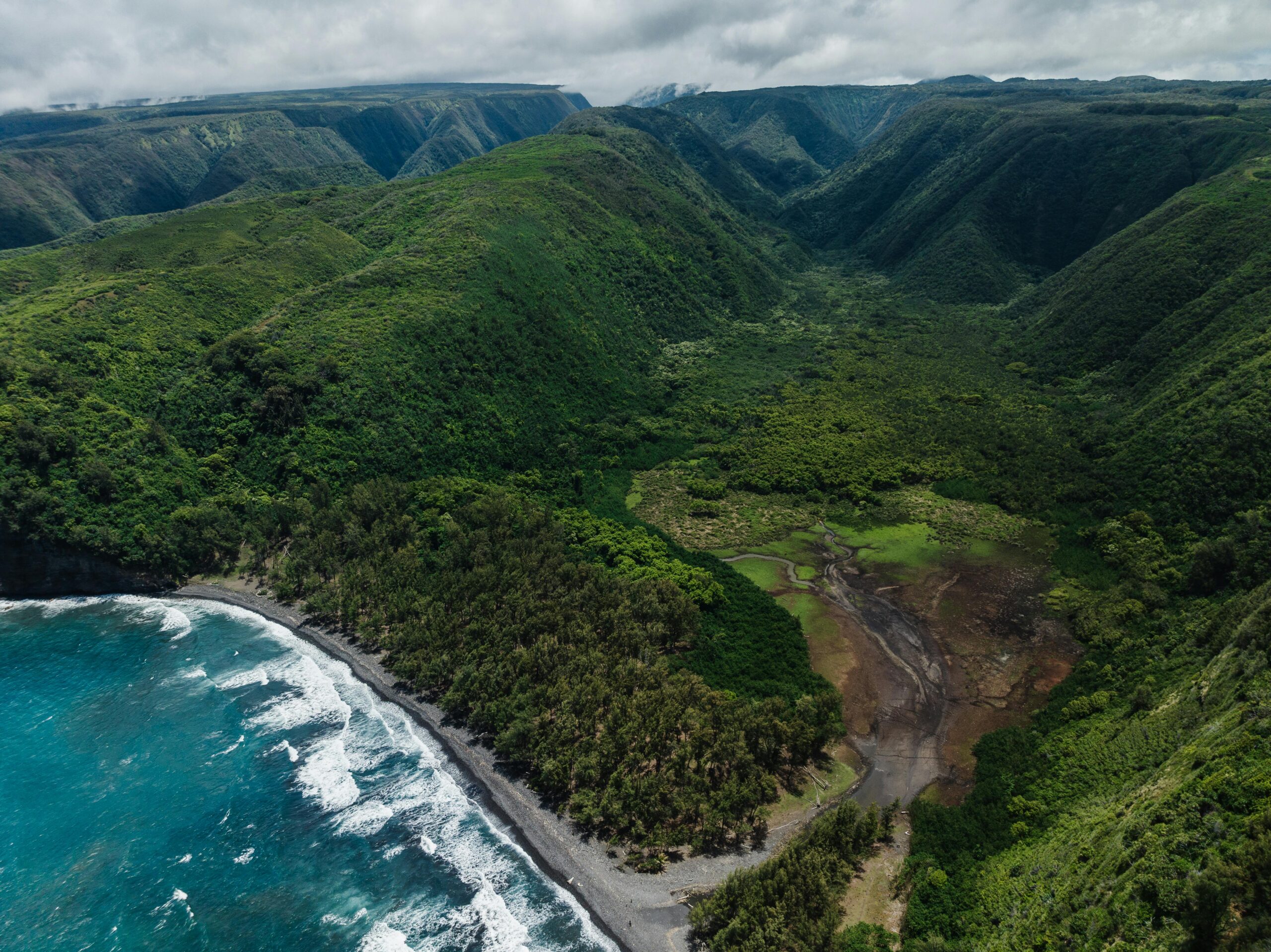
What is a Riparian Zone?
A riparian zone is the area of land alongside rivers, streams, and other freshwater systems where water and land meet. These spaces are often lined with native vegetation, including trees, shrubs, grasses, and wetlands that help stabilize soil and support biodiversity. Riparian zones may seem far removed from coral reefs, but they are deeply connected.…
-

CORAL Launches New Eastern Caribbean Hub
BREAKING: The Coral Reef Alliance is expanding to the Eastern Caribbean! For more than 30 years, the Coral Reef Alliance (CORAL) has teamed up with communities, scientists, and governments across Hawai‘i, the Mesoamerican Reef, and the Indo-Pacific to protect coral reefs and the people who depend on them. From keeping 30+ million gallons of sewage…
-
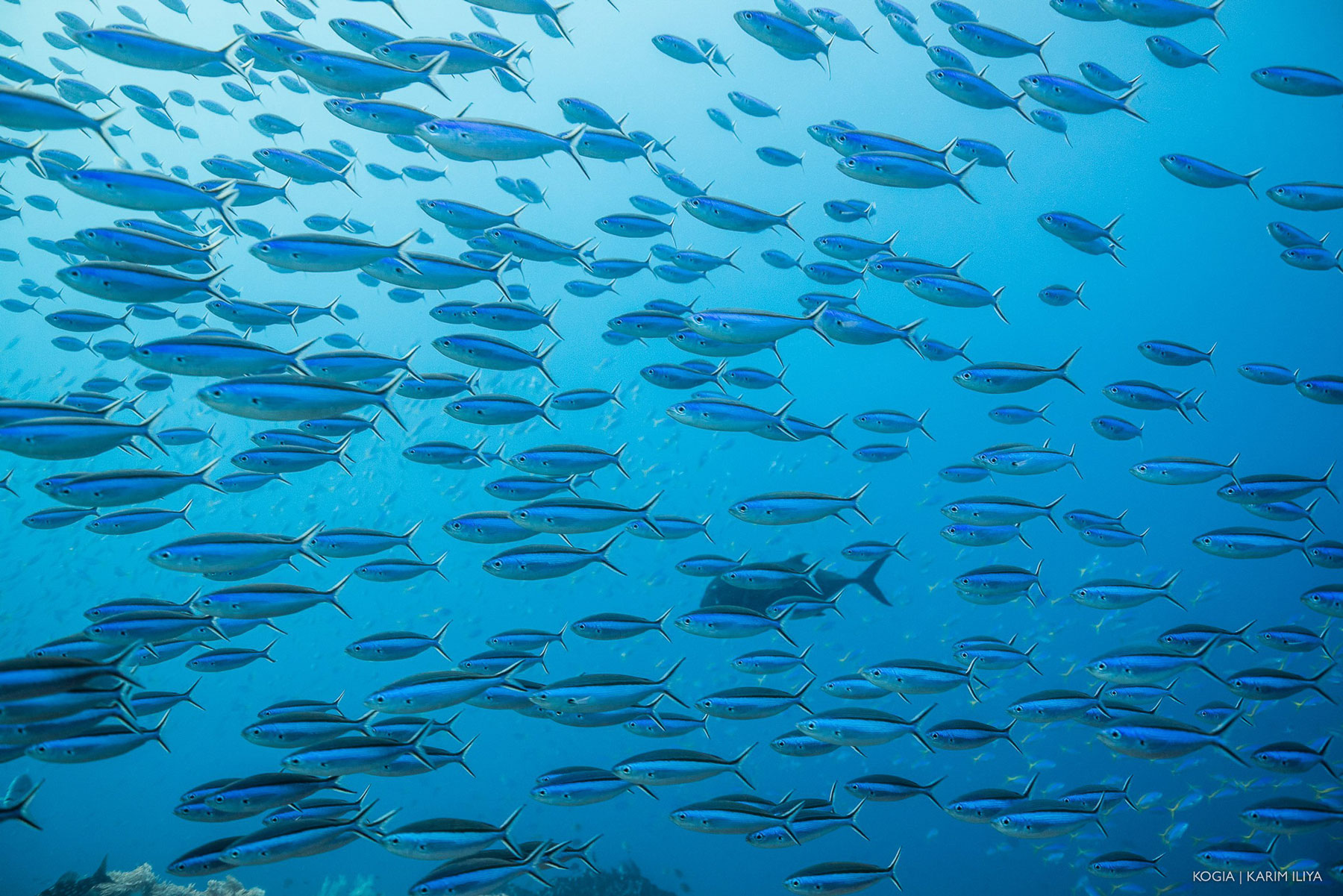
Want to Save Coral Reefs? 4 Proven Strategies That Actually Work
The ripple effects of coral reefs reach nearly every coastline and community on the planet. Reefs support the seafood we eat, protect homes from storms, and provide ingredients for lifesaving medicines. But they’re in crisis. Half have already been lost, and nearly all could disappear by 2050 if we don’t intentionally act now. The good…
-
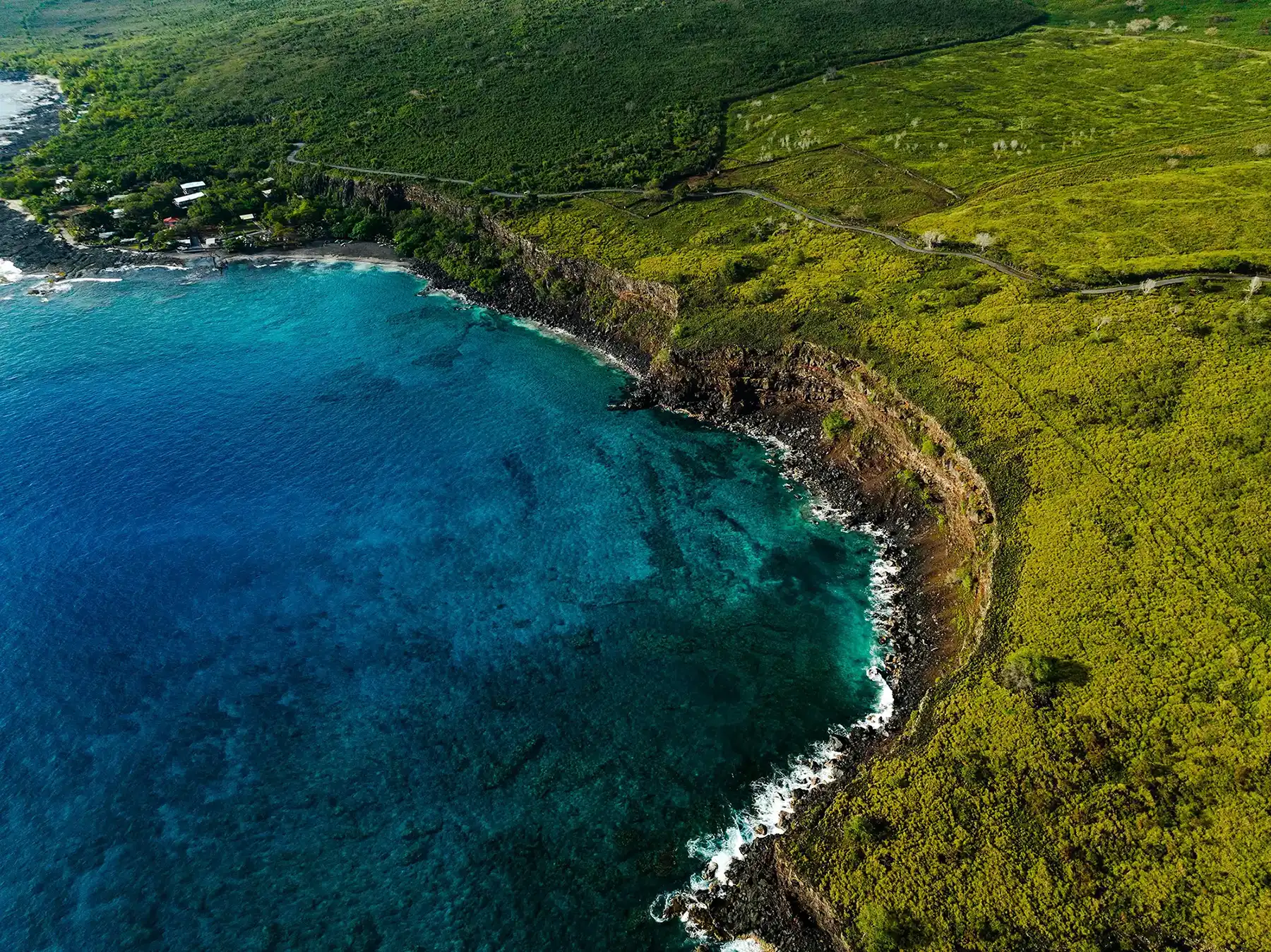
The Hawai‘i Wastewater Alliance United for Clean Water
The Hawai‘i’ wastewater crisis has long posed a serious threat to our coral reefs, coastal ecosystems, and community health. But in the past year, thanks to focused coordination, strategic advocacy, and deep relationship-building, the Coral Reef Alliance (CORAL) and partners helped turn the page on fragmented efforts and launched a new, united front. In partnership…
-
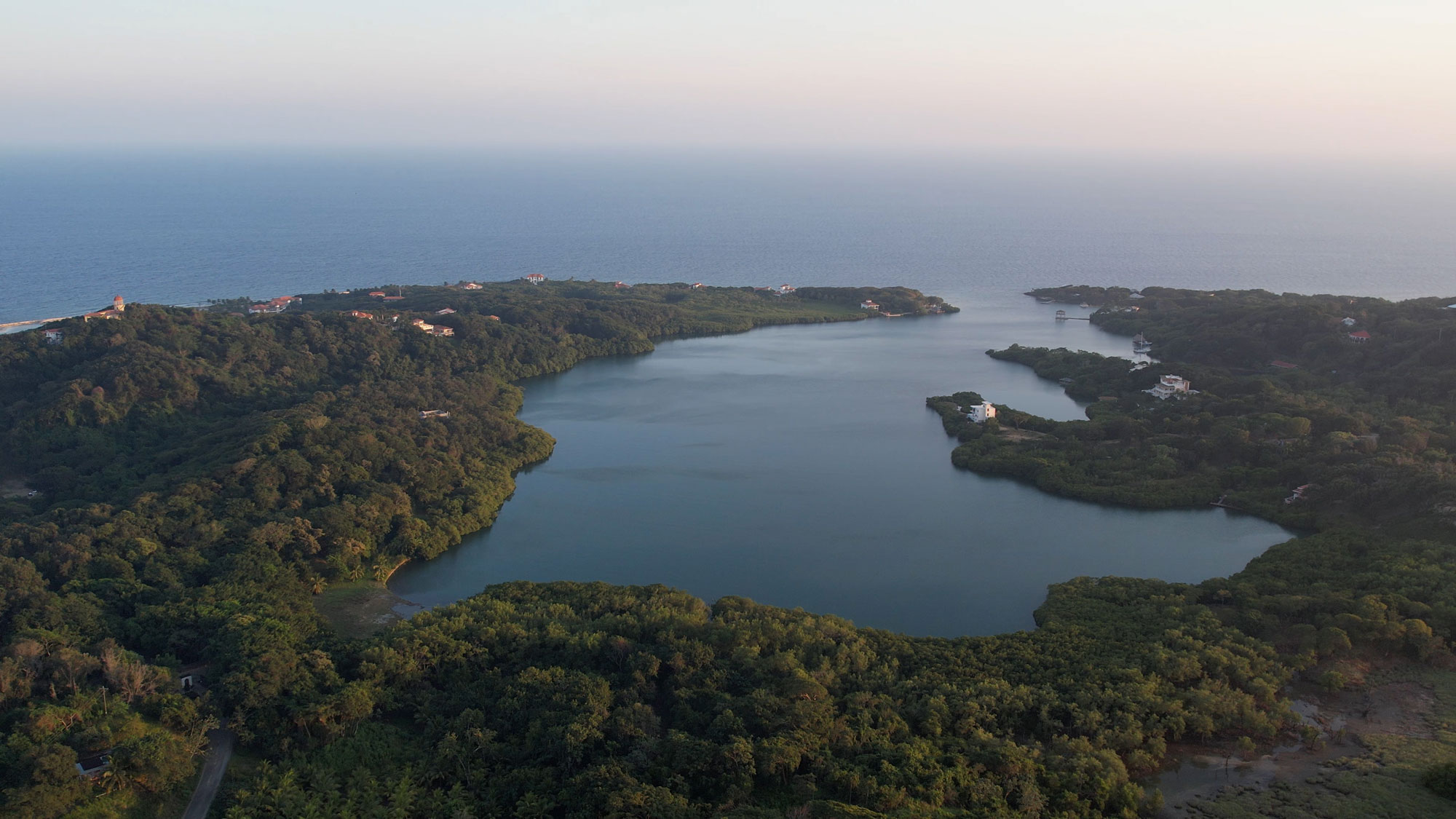
Turning the Tide on Water Pollution in the Mesoamerican Reef
At the Coral Reef Alliance (CORAL), we believe healthy coral reefs start on land. Our work on water quality across the Mesoamerican Reef (MAR) region—spanning Belize, Honduras, and Mexico—shows how science, community collaboration, and practical solutions can protect these ecosystems and the communities that rely on them. Why Water Quality Matters for Coral Reefs Clean…
-

How Pollution Threatens Coral Reefs and What We Can Do About It
Coral reefs are powerful, resilient ecosystems supporting 25% of all marine list and over a billion people globally. But these ecosystems are fragile and pollution is one of the most immediate threats they face. While climate change grabs headlines (and is still very important), local pollution is doing some serious damage in weakening coral defenses…