Where We Work › Hawaiian Islands › Maui Nui
West Maui
Credit: Amity Mason
West Maui’s Coral Reefs
West Maui’s coral reefs are important sources of coral larvae that replenish reefs across Maui, Lana‘i, Molokai, and Kaho‘olawe. Because of this, the area has been designated a priority conservation site by the U.S. Coral Reef Task Force and the Hawai‘i Department of Land and Natural Resources.
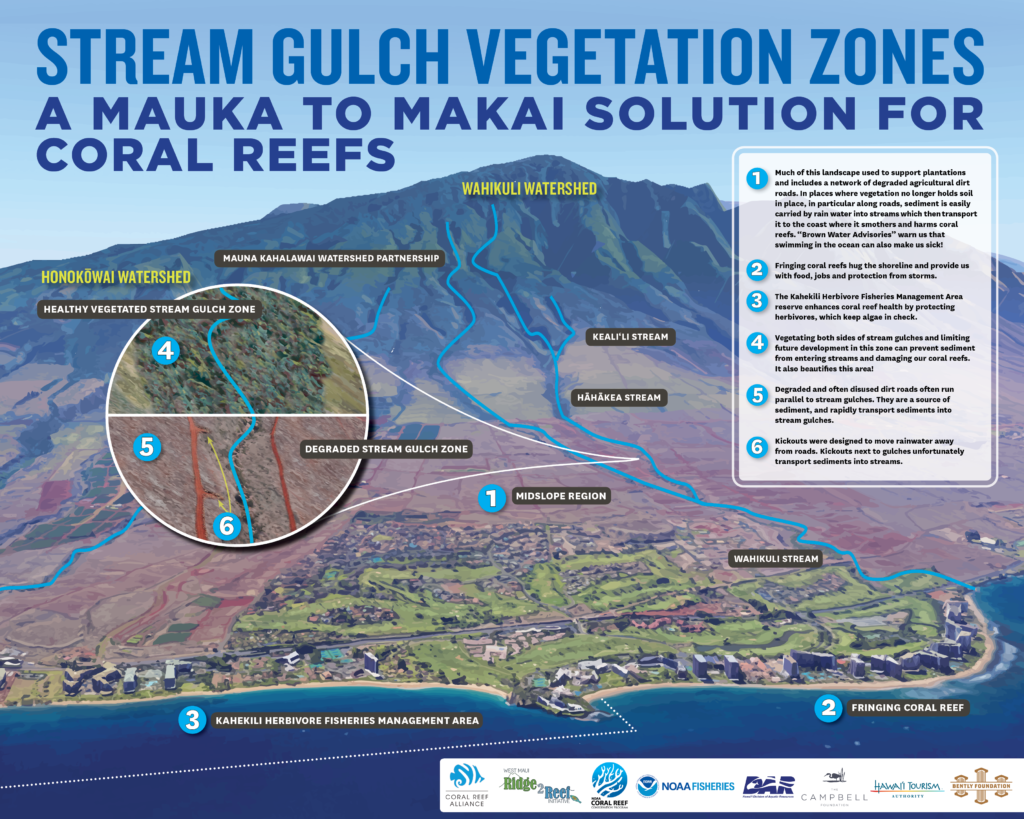
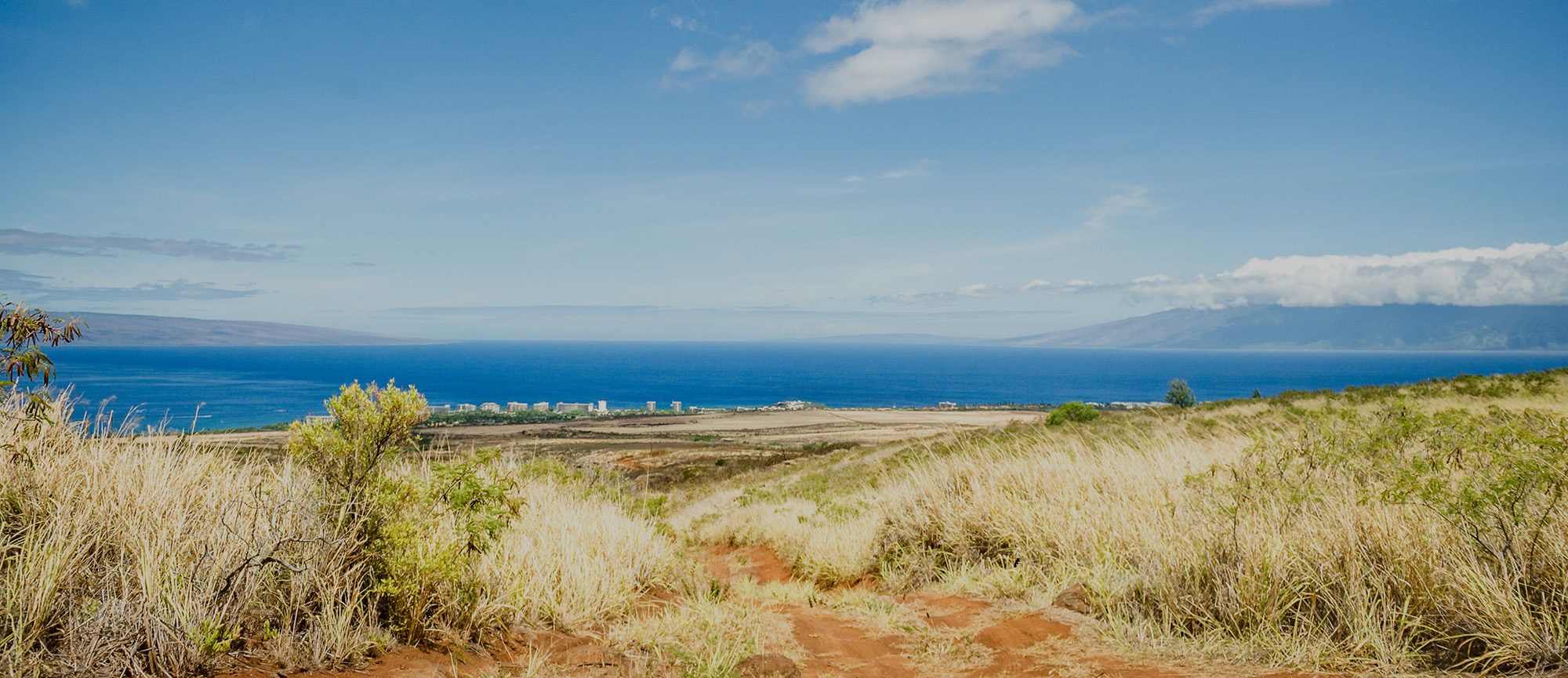
But West Maui is laden with historic sugarcane and pineapple plantations that are now out-of-use. During heavy rain events, the soil from these degraded landscapes travels down old dirt roads, enters stream gulches, and ultimately reaches the ocean where it smothers coral reefs.
Stormwater runoff is considered a major source of water pollution and has led to a 25-50% decline in Maui’s coral cover in the last fifteen years. It also regularly causes the Hawaiʻi Department of Health to issue “Brown Water Advisories”, which are warnings to the public to avoid swimming or fishing because of risks to human health.
Our Work
Our mauka to makai (ridge-to-reef) approach restores the natural function of an ahupua’a (watershed), so that chemicals, nutrients, and sediment are naturally removed from stormwater before they reach the ocean.
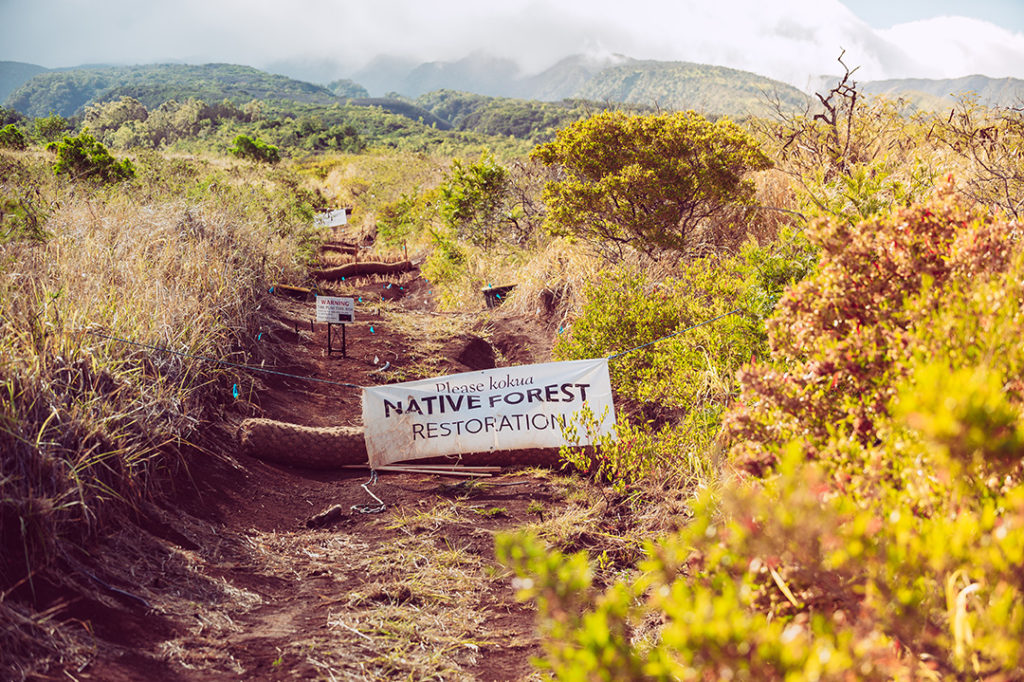
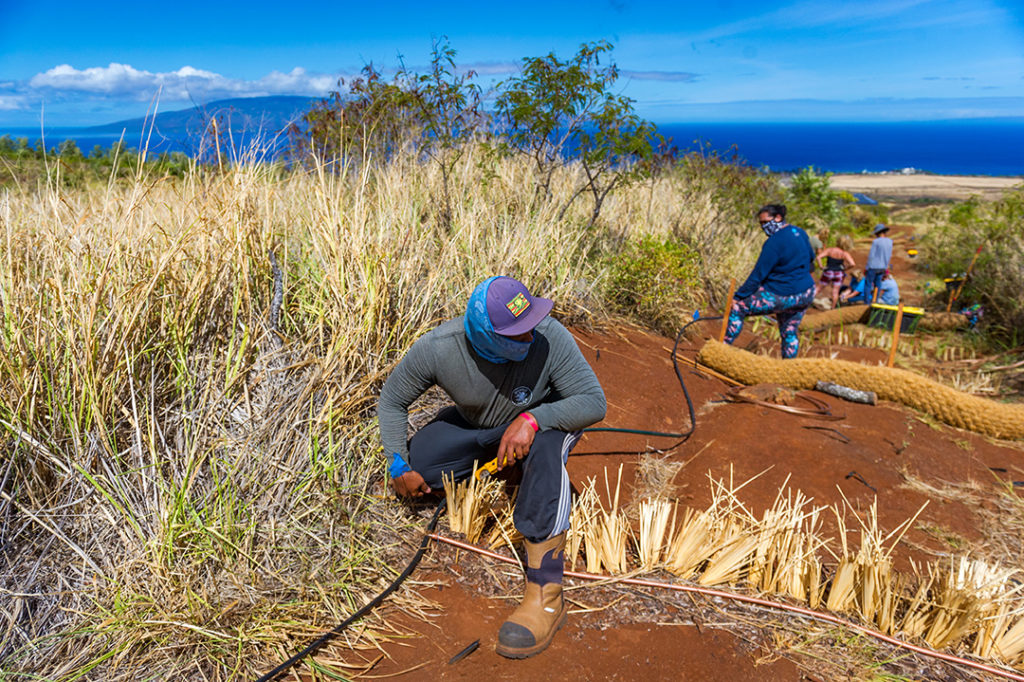
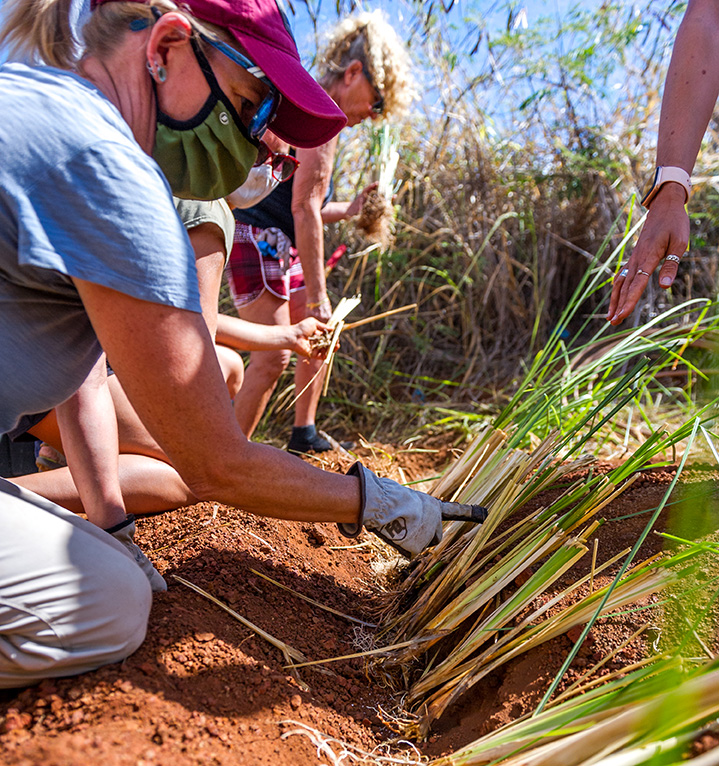
Toward the top of the mountain and in the midslope region, we use native plants—and over 100 supportive volunteers—to restore the degraded landscapes and trap the sediment before it has a chance to runoff into the ocean. We’re restoring the mauka (mountainside) with native plants like pili grass and natural materials like coconut coirs to slow the runoff, trap the sediment, and absorb the nutrients.
On the coast, we work with resort property owners, the tourism industry, and Maui County to implement reef-friendly Low Impact Design (LID) landscaping that serves as a last-ditch effort to filter stormwater before it reaches the ocean. Looking for more details?
Get Involved
Volunteer
We’re always looking for local volunteers to help us grow native plants and reforest the mountainside. Volunteers grow native plants from seed at their homes. And once a month, we have a volunteer planting day where volunteers transplant native plants into the ground at our restoration site. Interested? Sign up by completing our volunteer interest form, and a member of our team will contact you shortly. Before volunteering at our field site, you will also need to complete the volunteer waiver.
Become a Citizen Scientist
Through our partner organization, Hui O Ka Wai Ola, volunteers collect water quality samples around the island to improve our understanding of Maui’s coastal areas and threats to coral reefs. Visit the Hui O Ka Wai Ola website to become a water quality sampler.
Recent News
-
Putting the LID on stormwater runoff
From a conservation point of view, we don’t often think of coral reefs going hand in hand with construction and development. But they do—coral reefs attract tourists, and with tourism comes infrastructure. Coral reefs also provide benefits to communities, and people tend to concentrate in areas where they can reap those benefits. Over the years…
-
Accommodations Industry Leaders Gather to Share Reef-Friendly Innovations
Last month representatives from seven shoreline properties attended a five week course that introduced participants to “reef-friendly” projects, practices, and activities that enhance the guest experience, save money, and protect the valuable coral reefs here on Maui. Representatives from the following properties were in attendance: Hyatt Maui Whaler’s Village Kahana Sunset Four Seasons, Lanai Maalaea Banyans Condominium…
-
Last Line of Defense
After writing about West Maui for over five years as CORAL’s grants manager, I finally had the opportunity to visit the island on a recent vacation. I got to see first-hand how West Maui’s hotels and resorts are literally the last line of defense for adjacent coral reefs. Driving the North Loop Coastline Road Hwy…
-
“Plarn” Reefs Featured in New Maui Airport Display
Earlier this year, thanks to support from the Hawai‘i Tourism Authority, we were able to set up two display cases in the Maui airport to educate travelers about the importance of protecting coral reefs. The cases highlight some easy ways visitors and locals can protect reefs, and feature a crochet coral reef made out of…
-
Spotlight on Low Impact Design (LID)
Soggy Christmas Eve storms make for high surf and cloudy snorkeling Severe storms with heavy rains in the week leading up to Christmas led to power outages, downed trees, and flash flooding throughout Maui. In West Maui, ocean waters were cloudy for several days following the storms, and while surf was big, few surfers wanted…
-
UH Hilo to Build Field Station in Puakō
Thanks to Jim Beets for allowing CORAL to reprint this article UH Hilo, a leader in liberal arts education in Hawai’i, is planning the development of a marine field station at Puakō, on the Kona coast of the Island of Hawai‘i. The impressive coral reefs at Puakō are among the best developed and most diverse…




Resources
-
Reducing Runoff with Pervious Pavement
Every time a house is built or a parking lot is paved, more impervious surface is created. Permeable pavement allows stormwater to drain and safely sink into the ground instead…
-
Best Practices for Prevention Pollution When Backwashing Pools & Hot Tubs
Water discharged from swimming pools and hot tubs may contain elevated levels of the disinfectant chemicals chlorine or bromine. When these chemicals travel from pools to the ocean, they are…
-
Building a Rain Garden to Filter Stormwater
Building a rain garden can be an effective, low-cost tool to prevent stormwater from reaching our streams and the ocean. While this document outlines how to build a new rain…
-
What is stormwater runoff and how does it affect coral reefs?
Eventually stormwater ends up in our oceans—either by traveling down storm drains, or by flowing into waterways like rivers and streams that lead to the ocean. When polluted stormwater flows…