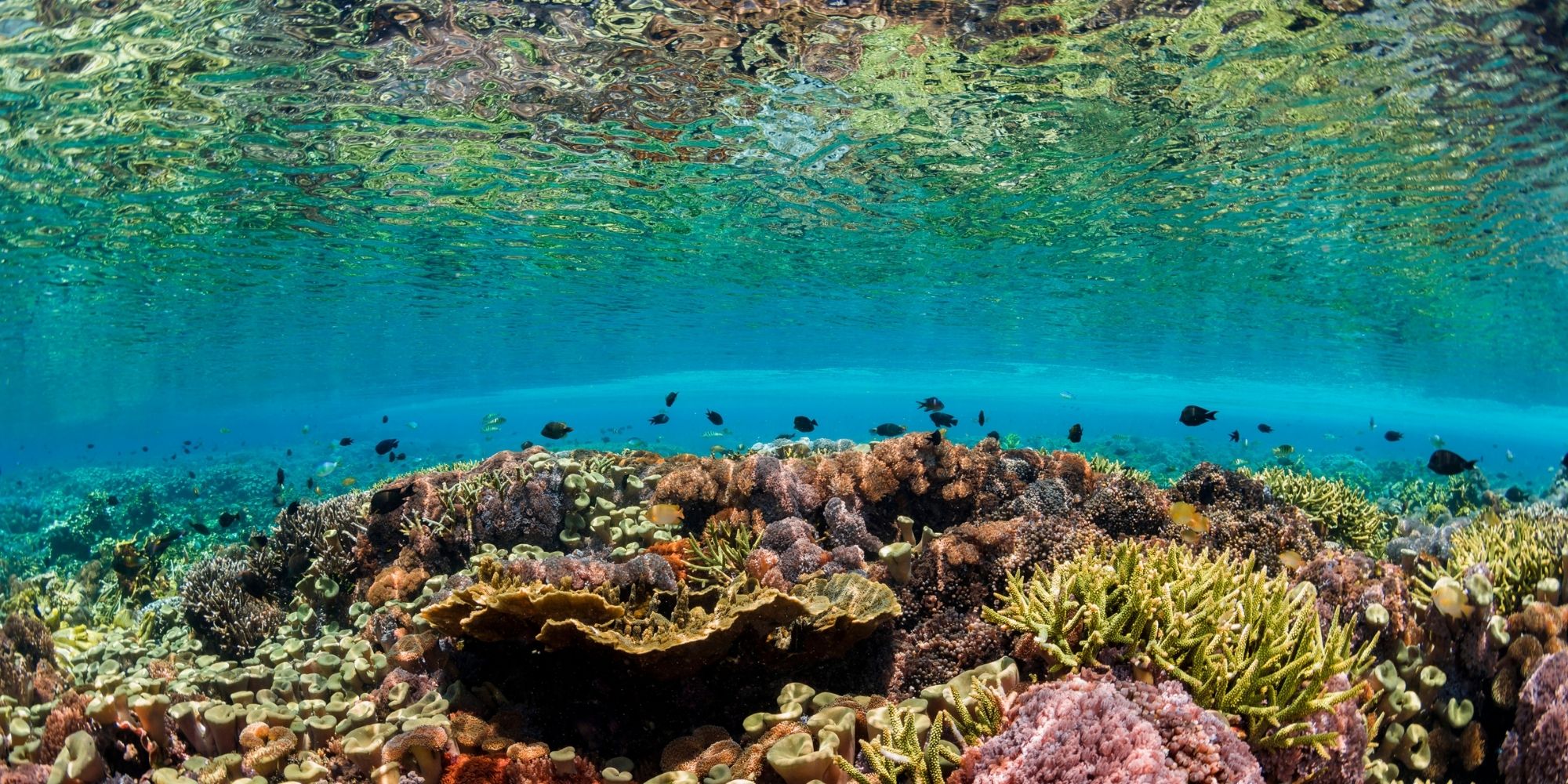
Thank You For Protecting Coral Reefs
Photo Credit: Beth Watson / Ocean Image Bank
Thank you—your purchase supports coral reef conservation efforts around the world!
Did you know that scientists predict that all coral reefs will be threatened by 2050? But there is still reason for hope. Scientific research shows that coral reefs can adapt to the effects of climate change if given the right conditions such as clean water, health fisheries, and intact ecosystems.
By saving coral reefs from the effects of climate change, you help more than a million marine species and support countless communities that depend on coral reefs for food, income, and coastal protection.
Stay Connected

See Where Your Donation Goes
-
Your FAQs About Coral Reefs, Answered
We all know coral reefs are beautiful…but to many of us, they are also a bit of a mystery. Here at CORAL, we are dedicated to saving the world’s coral reefs and regularly receive questions about what they are and why they’re so important. To clear up your doubts, Dr. Helen Fox, CORAL’s Conservation Science…
-
Cultivating super corals alone is unlikely to protect coral reefs from climate change
A new study shows that popular restoration efforts would need to be conducted at much greater spatial and temporal scales than currently pursued in order to have long-term benefits. OAKLAND, CA – May 11, 2022 – A new study this week shows that a popular coral restoration technique is unlikely to protect coral reefs from…
-
The Smell You Can’t Ignore: What Sargassum Is and Why It’s Taking Over Caribbean Beaches
Do you smell that?It’s the unmistakable stench of rotting eggs, drifting as far as half a mile inland from parts of the Caribbean coastline. That smell is hydrogen sulfide, and it’s the unpleasant calling card of massive sargassum blooms now washing up on beaches across Mexico, Honduras, Belize, and other parts of the Mesoamerican Reef…

