Western Caribbean Hub
Photo by Ryan Pernofski
-
How Better Wastewater Management Can Protect Belize’s Coral Reefs
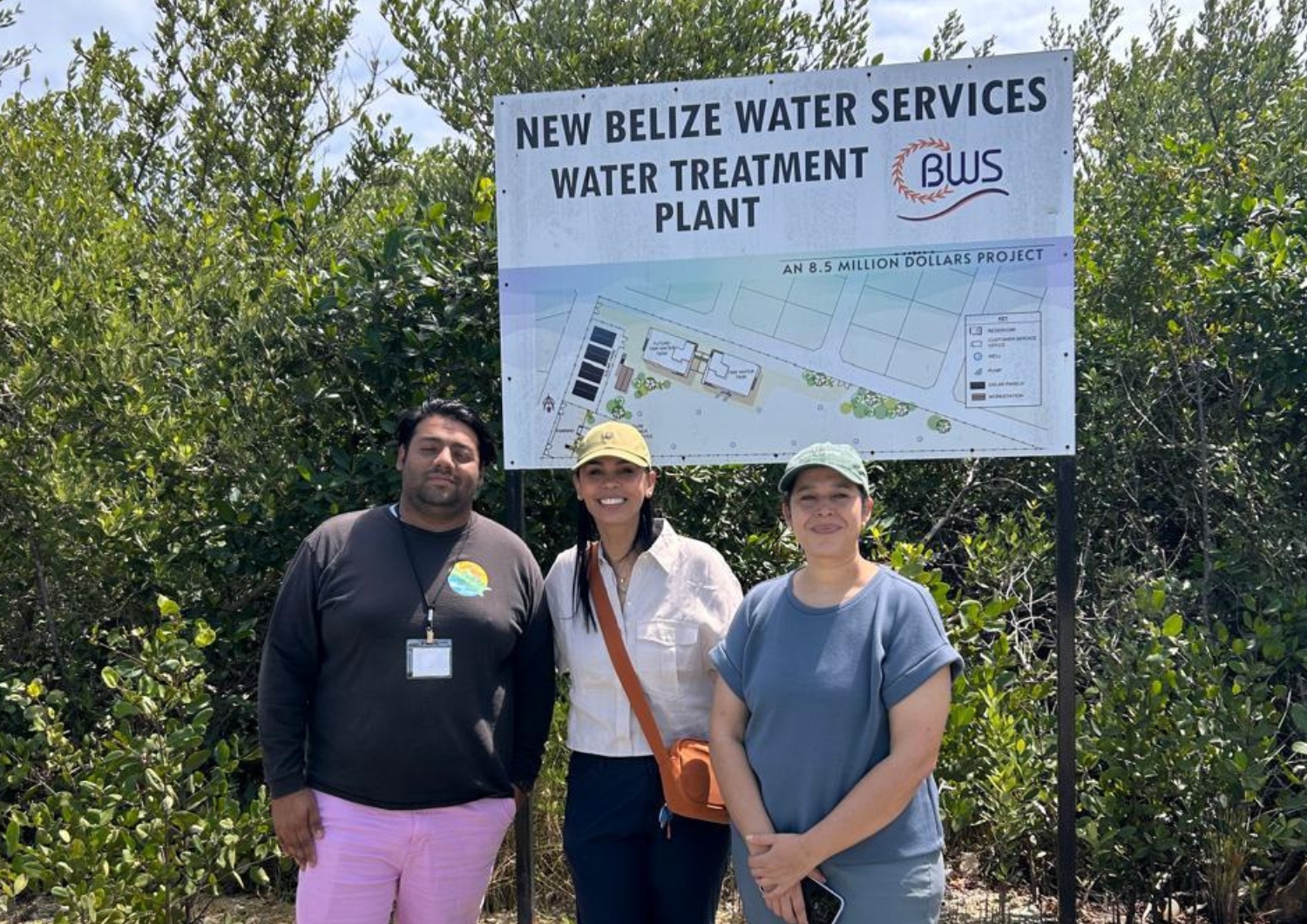
When people think about threats to coral reefs, they usually imagine coral bleaching or rising ocean temperatures. While climate change remains the greatest long-term challenge, another threat is harming reefs every day, and it often goes unnoticed. Untreated wastewater. Around the world, wastewater carries excess nutrients, bacteria, and other pollutants into coastal waters. These pollutants…
-
Local Leadership, Lasting Impact Across the Western Caribbean
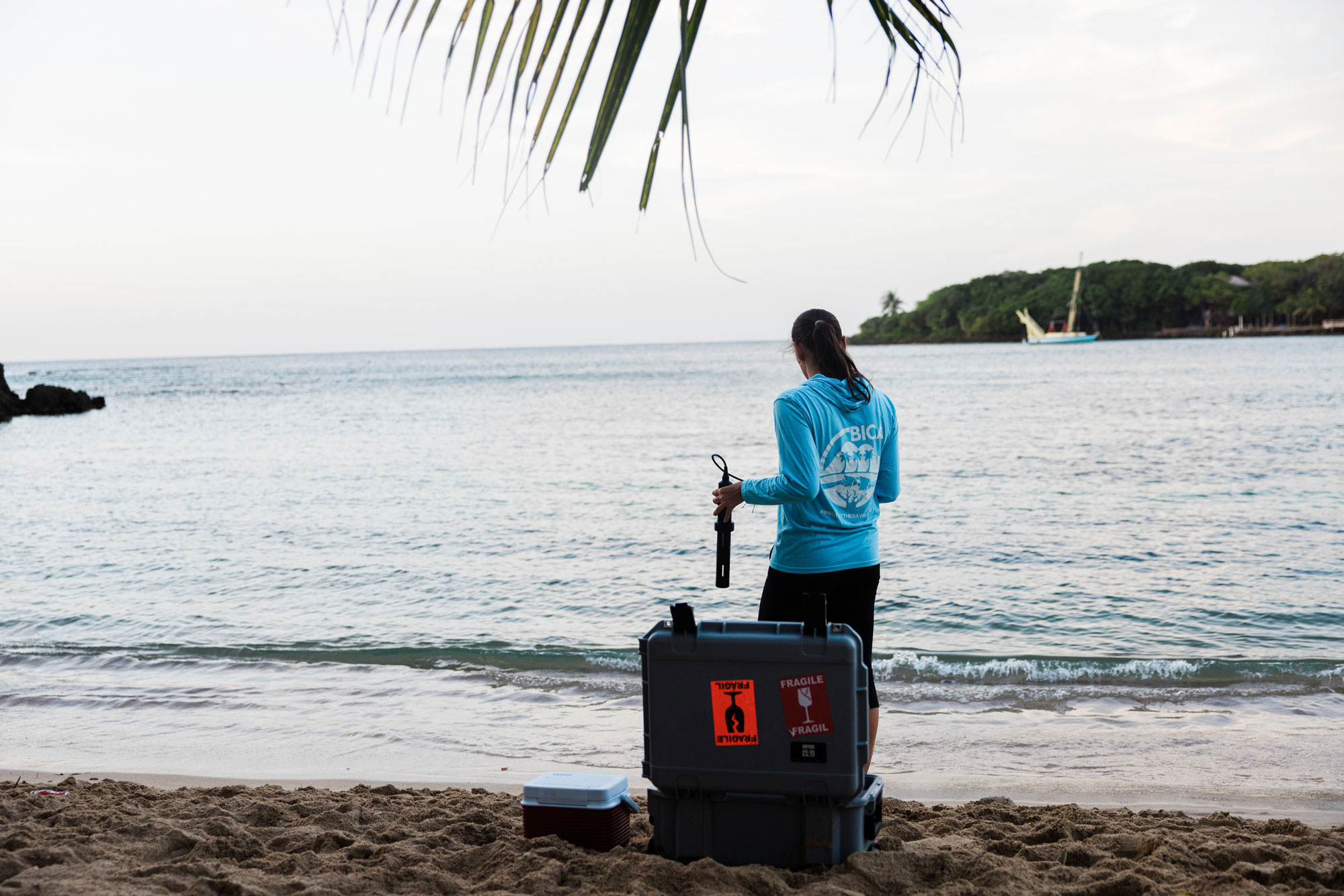
Across the Western Caribbean, coral reefs are shaped by local leadership as much as environmental conditions. In 2025, the Coral Reef Alliance (CORAL) worked closely with communities, governments, and partners to reduce pollution, strengthen reef protection, and support the enabling conditions reefs need to withstand climate change. From Honduras to Belize and Mexico, this work…
-
Strengthening Patrols in Cozumel’s Marine Protected Area
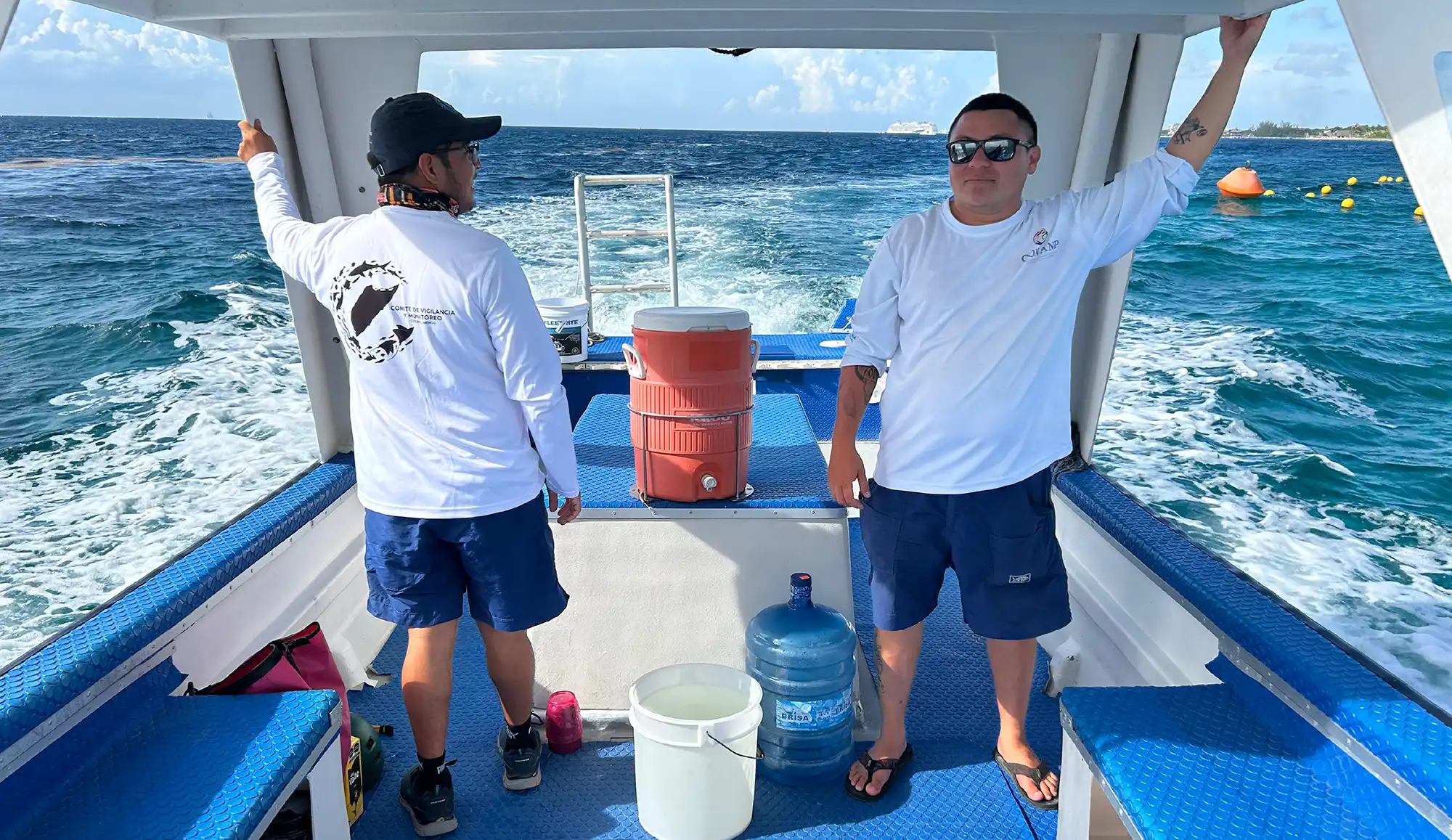
Why Patrolling Matters Marine Protected Areas (MPAs) are one of the most powerful tools we have to protect coral reefs. But only if they are effectively managed and enforced. Without regular surveillance and enforcement, illegal fishing, unregulated tourism, and other harmful activities threaten the biodiversity MPAs are designed to protect. In Cozumel, famously known for…
-
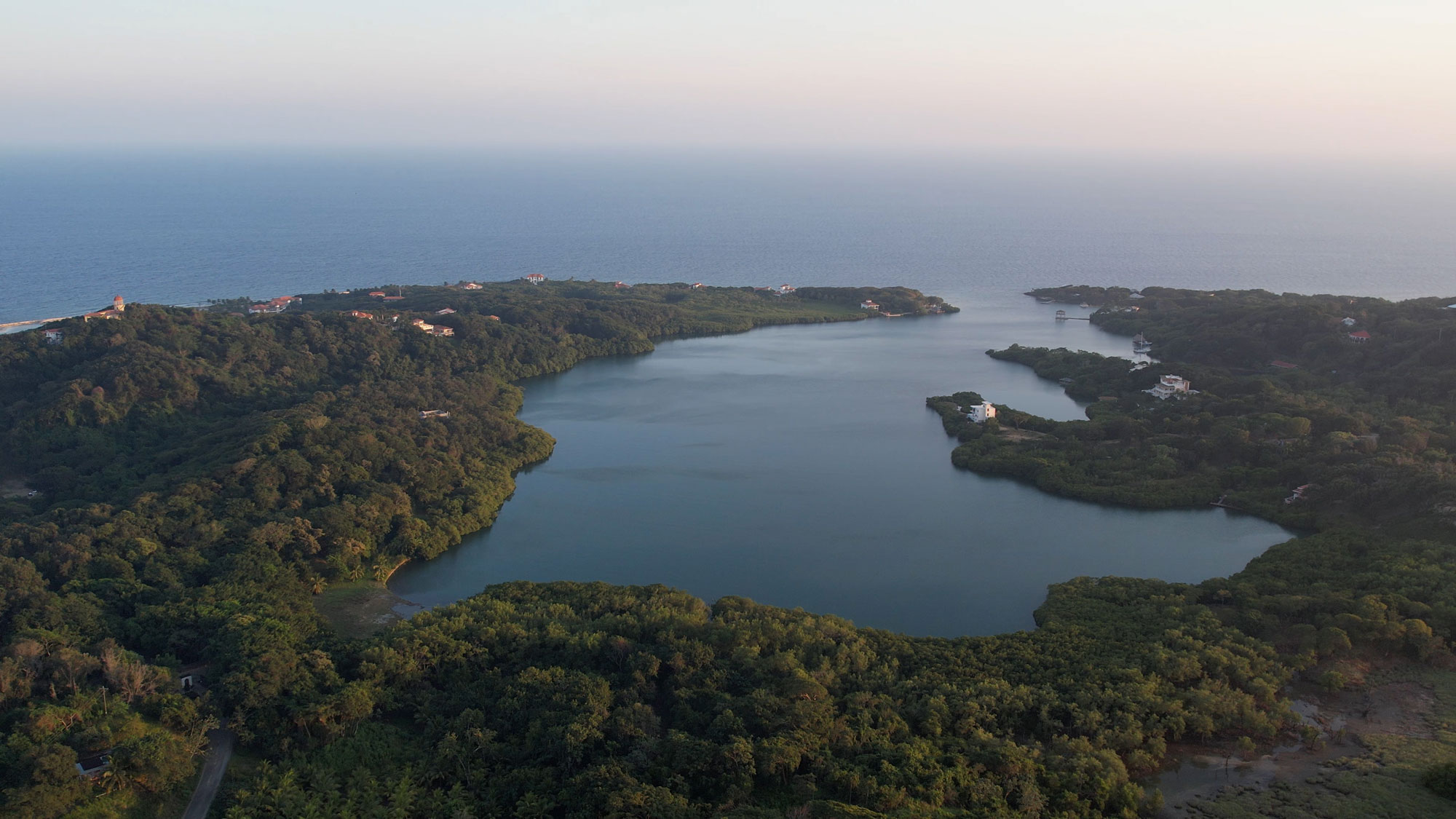
Turning the Tide on Water Pollution in the Mesoamerican Reef
At the Coral Reef Alliance (CORAL), we believe healthy coral reefs start on land. Our work on water quality across the Mesoamerican Reef (MAR) region—spanning Belize, Honduras, and Mexico—shows how science, community collaboration, and practical solutions can protect these ecosystems and the communities that rely on them. Why Water Quality Matters for Coral Reefs Clean…
-

Where We Work – The Inside Scoop on Our Reef Conservation Sites
How do we decide where to focus our efforts in saving coral reefs? It’s a question we get asked a lot, and the answer is both strategic and deeply rooted in our mission. So let’s get into it! We consider three main factors when choosing where to work – climate adaptation needs, local leadership and…
-

Two Caribbean Reefs Gravely Distressed from Coral Bleaching and Climate Change
In a heartbreaking turn of events, two large coral reefs off the coast of Honduras as well as other reefs in the Caribbean have fallen victim to the destructive forces of coral bleaching, a consequence of warming waters due to climate change. The catastrophic damage of these vibrant and biodiverse ecosystems underscores the urgent need…
-

2023 Year in Review, Ocean-Style
As we welcome in 2024 and anticipate the exciting developments ahead, let’s pause to reflect on the impact we made together in 2023. It was a year filled with significant achievements, insightful articles, and some fantastic new faces joining our team. We invite you to join us in revisiting the standout moments that made 2023…
-

How Technology Can Tackle Illegal Fishing in the Western Caribbean
Nowadays there’s an app for everything. There’s even one that can help protect coral reefs! The app is called SMART and it’s a tool being used by conservationists around the world to protect wildlife and its natural habitats. Thanks to our local partners, dedicated patrol rangers, and your generous support, we are expanding access to…
-

The Smell You Can’t Ignore: What Sargassum Is and Why It’s Taking Over Caribbean Beaches
Do you smell that?It’s the unmistakable stench of rotting eggs, drifting as far as half a mile inland from parts of the Caribbean coastline. That smell is hydrogen sulfide, and it’s the unpleasant calling card of massive sargassum blooms now washing up on beaches across Mexico, Honduras, Belize, and other parts of the Mesoamerican Reef…