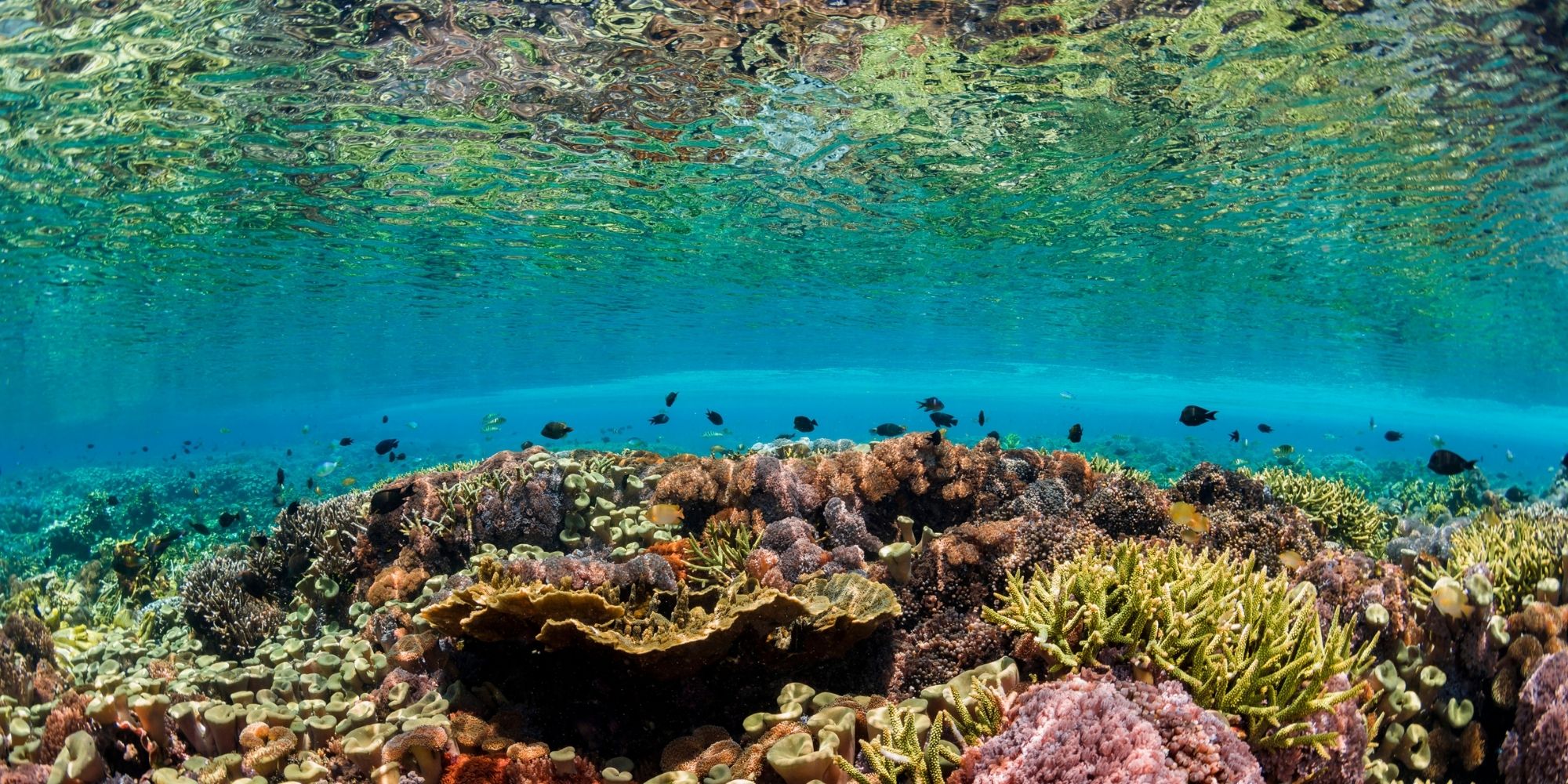
Thank You For Protecting Coral Reefs
Photo Credit: Beth Watson / Ocean Image Bank
Thank you—your purchase supports coral reef conservation efforts around the world!
Did you know that scientists predict that all coral reefs will be threatened by 2050? But there is still reason for hope. Scientific research shows that coral reefs can adapt to the effects of climate change if given the right conditions such as clean water, health fisheries, and intact ecosystems.
By saving coral reefs from the effects of climate change, you help more than a million marine species and support countless communities that depend on coral reefs for food, income, and coastal protection.
Stay Connected
See Where Your Donation Goes
-
Looking to the Future with Virtual Reality
In 2016, CORAL began an exciting new partnership with the Virtual Human Interaction Lab (VHIL) at Stanford University. Three key players met to kickstart this collaboration: Dr. Michael Webster, CORAL’s Executive Director, Dr. Jeremy Bailenson, VHIL’s Director, and Dr. Robert Richmond, Director of the University of Hawaiʻi’s Kewalo Marine Laboratory. Although they didn’t know it…
-
Meet Our 2018 CORAL Conservation Prize Winner!
Since 2014, the CORAL Conservation Prize has been awarded annually to an individual who has proven to be an outstanding leader in the conservation of coral reefs. The CORAL Prize is a unique opportunity to recognize the people that are truly making a difference in the future of coral reefs, and applicants are nominated by a member…
-
Youth Lead Beach Cleanups in Bali
In early March, 2018, communities in Amed and Tulamben held coastal cleanups to show their support for the third International Year of the Reef (IYOR). Local communities, Reef Check Foundation Indonesia (RCFI), and the Coral Reef Alliance (CORAL) encouraged youth participation as part of the event. The cleanups helped stakeholders share information about the impacts…


