Protected Areas
Photo by Ryan Pernofski
-
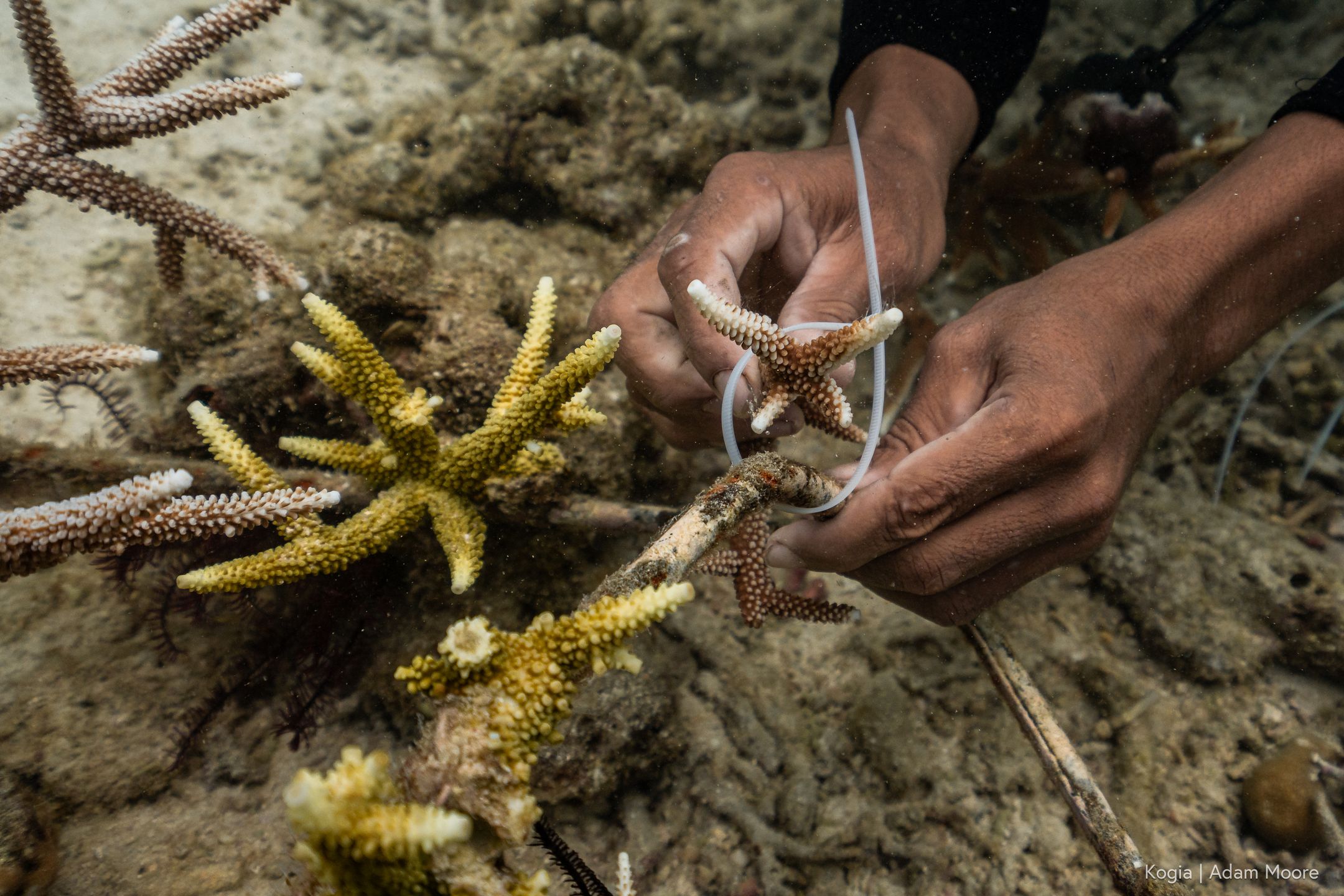
Adopt a Coral or Support the Whole Reef?
If you’ve ever searched for ways to help coral reefs, you’ve probably come across the opportunity to “adopt a coral.” It’s easy to understand the appeal. You can picture the coral you’re helping, follow its story, and feel connected to something happening underwater thousands of miles away. And coral restoration has an important role to…
-
Can an MPA really be protected if there’s a sewage problem?
For decades, the playbook for saving our oceans has been relatively straightforward: draw a line on a map, declare it a Marine Protected Area (MPA), and restrict activities like commercial fishing, shipping, and industrial drilling. It sounds like a solid plan, and on paper, it looks even better. But there’s a glaring, dirty truth these…
-
What Impact Really Means in Conservation and the Numbers Every Coral Reef Donor Should Watch
When you support a nonprofit, you’re doing more than giving money. You’re placing trust. Trust that your dollars lead to cleaner water.Trust that wildlife is healthier.Trust that ecosystems are stronger tomorrow than they are today. But good intentions aren’t enough. In conservation especially, effort doesn’t always equal results. A beach cleanup might feel meaningful, a…
-
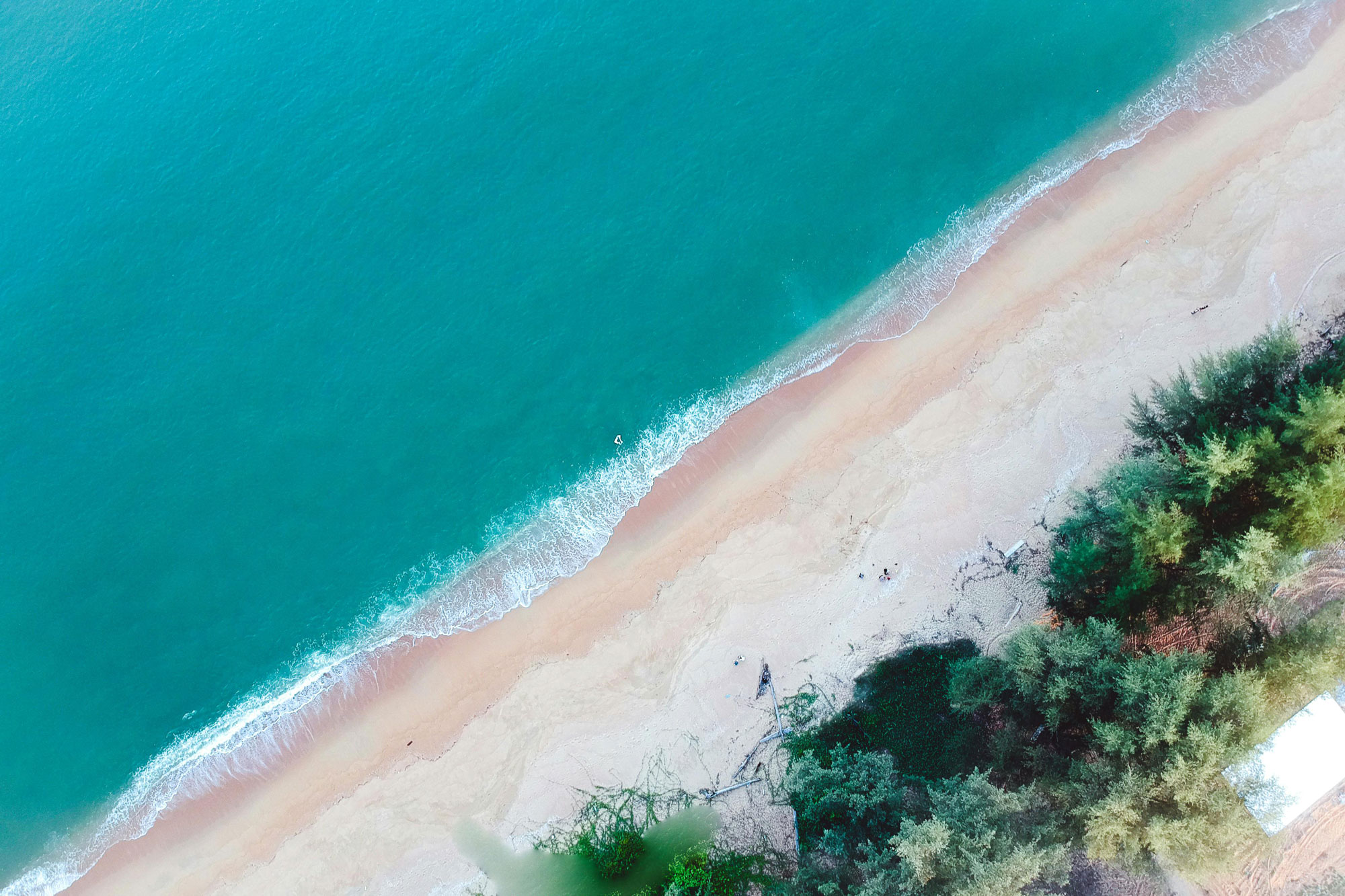
Ways to Protect the Environment
People want to know… What can I do that actually matters to protect the environment? And while tips like recycling, reducing plastic, and switching to reusable bags all play a role, they barely scratch the surface of what our planet needs right now. Environmental protection isn’t just a checklist. It’s a mindset shift, a willingness…
-
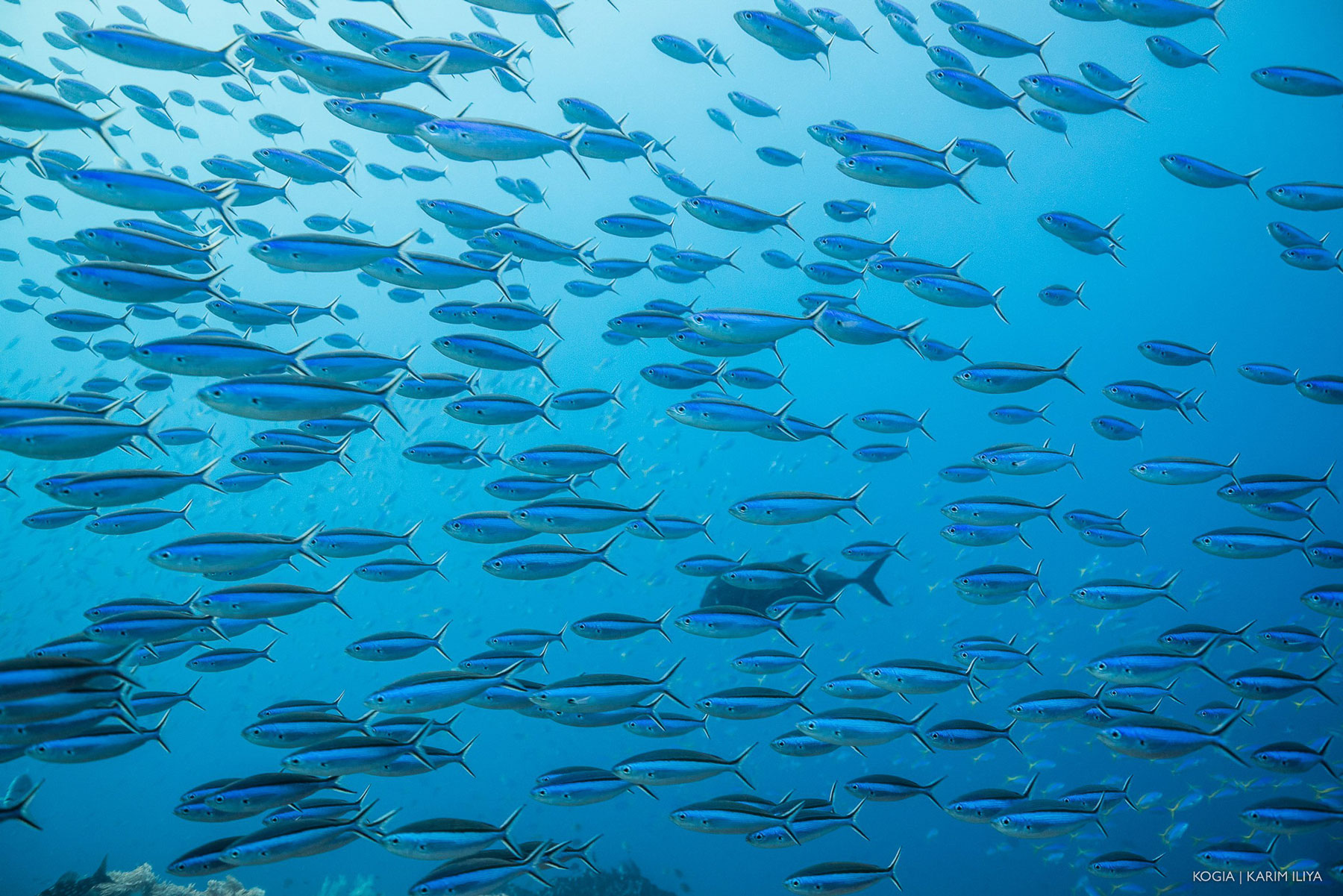
Want to Save Coral Reefs? 4 Proven Strategies That Actually Work
The ripple effects of coral reefs reach nearly every coastline and community on the planet. Reefs support the seafood we eat, protect homes from storms, and provide ingredients for lifesaving medicines. But they’re in crisis. Half have already been lost, and nearly all could disappear by 2050 if we don’t intentionally act now. The good…
-
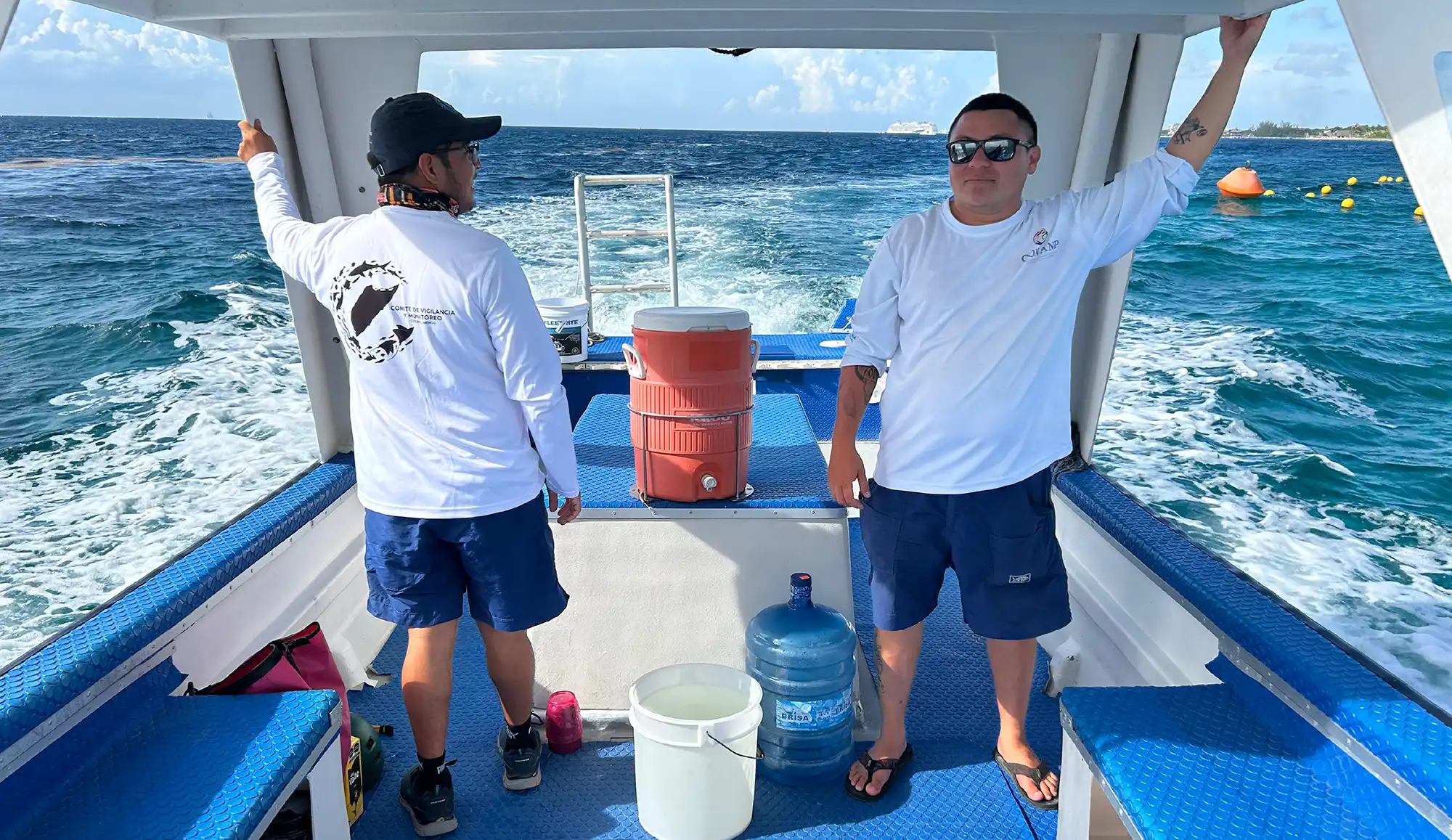
Strengthening Patrols in Cozumel’s Marine Protected Area
Why Patrolling Matters Marine Protected Areas (MPAs) are one of the most powerful tools we have to protect coral reefs. But only if they are effectively managed and enforced. Without regular surveillance and enforcement, illegal fishing, unregulated tourism, and other harmful activities threaten the biodiversity MPAs are designed to protect. In Cozumel, famously known for…
-
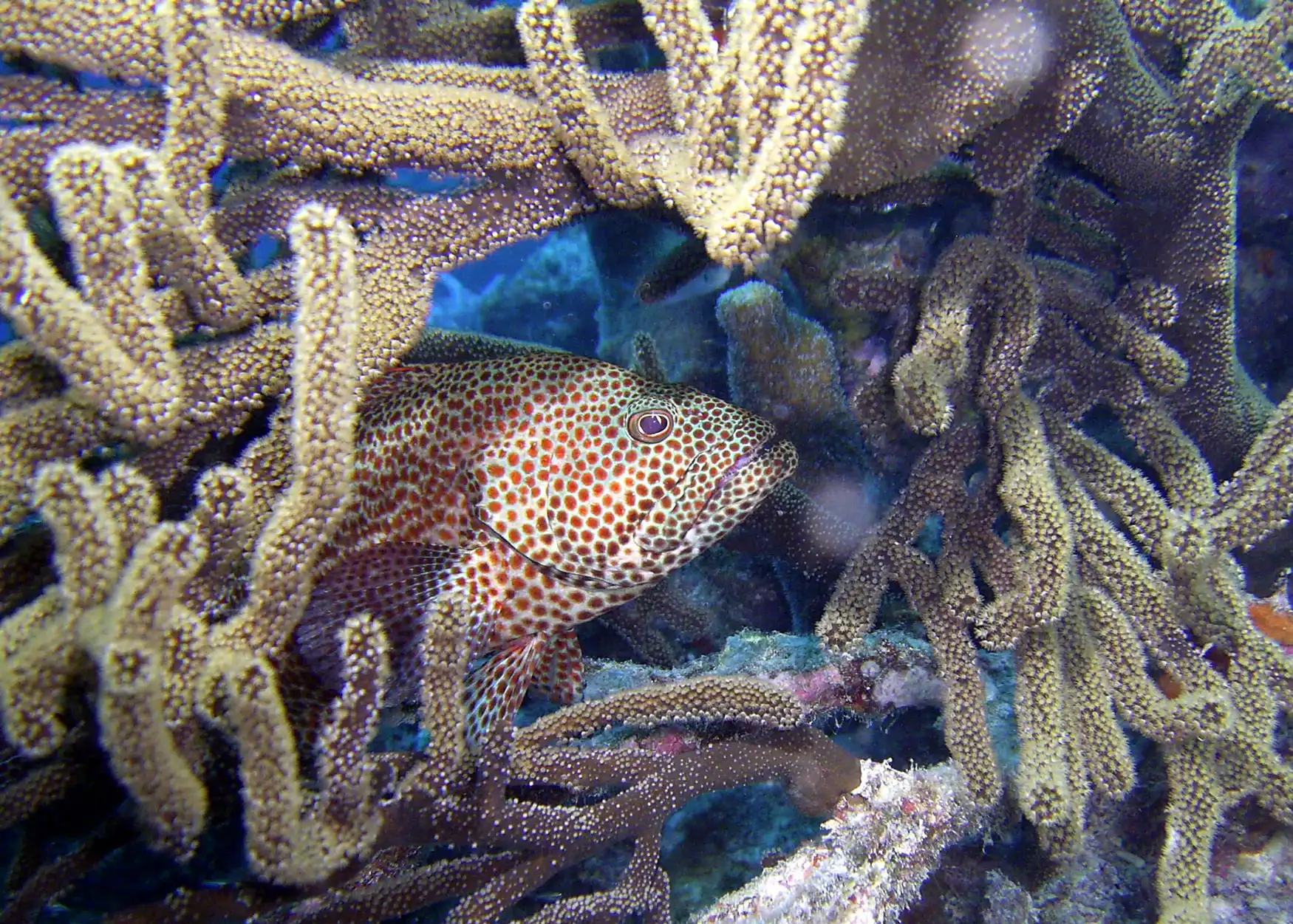
Honduras Issues Nationwide Fishing Ban to Protect Coral Reefs, Grouper, and Key Marine Species
A Major Win for Coral Reef Conservation in the Mesoamerican Reef Region After more than three years of collaboration, persistence, and science-based advocacy, the Coral Reef Alliance (CORAL) and our partners from the Bay Islands Technical Committee, Healthy Reefs for Healthy People, Fundación Cayos Cochinos, and Fundación Cuero y Salado have reached an exciting milestone…
-

Ghost Gear is Killing Coral Reefs and No One is Talking About It
Imagine diving into clear blue water. Schools of fish dart past. Coral fans sway gently with the current. And then you see it—a net, tattered and tangled, drifting like a shadow. Silent. Suspended. Deadly. This is ghost gear. And it’s one of the most lethal forms of plastic pollution in the ocean. What is ghost…
-

2024 Greatest Hits of the CORAL Blog
2024 has been a remarkable year for coral reef conservation, with educational, informational, and inspirational stories taking center stage. Because of people like YOU, we’re able to bring these stories to life and make a profound impact on coral reefs around the world, as well as the communities that depend on them. Below are our…