Conservation Science
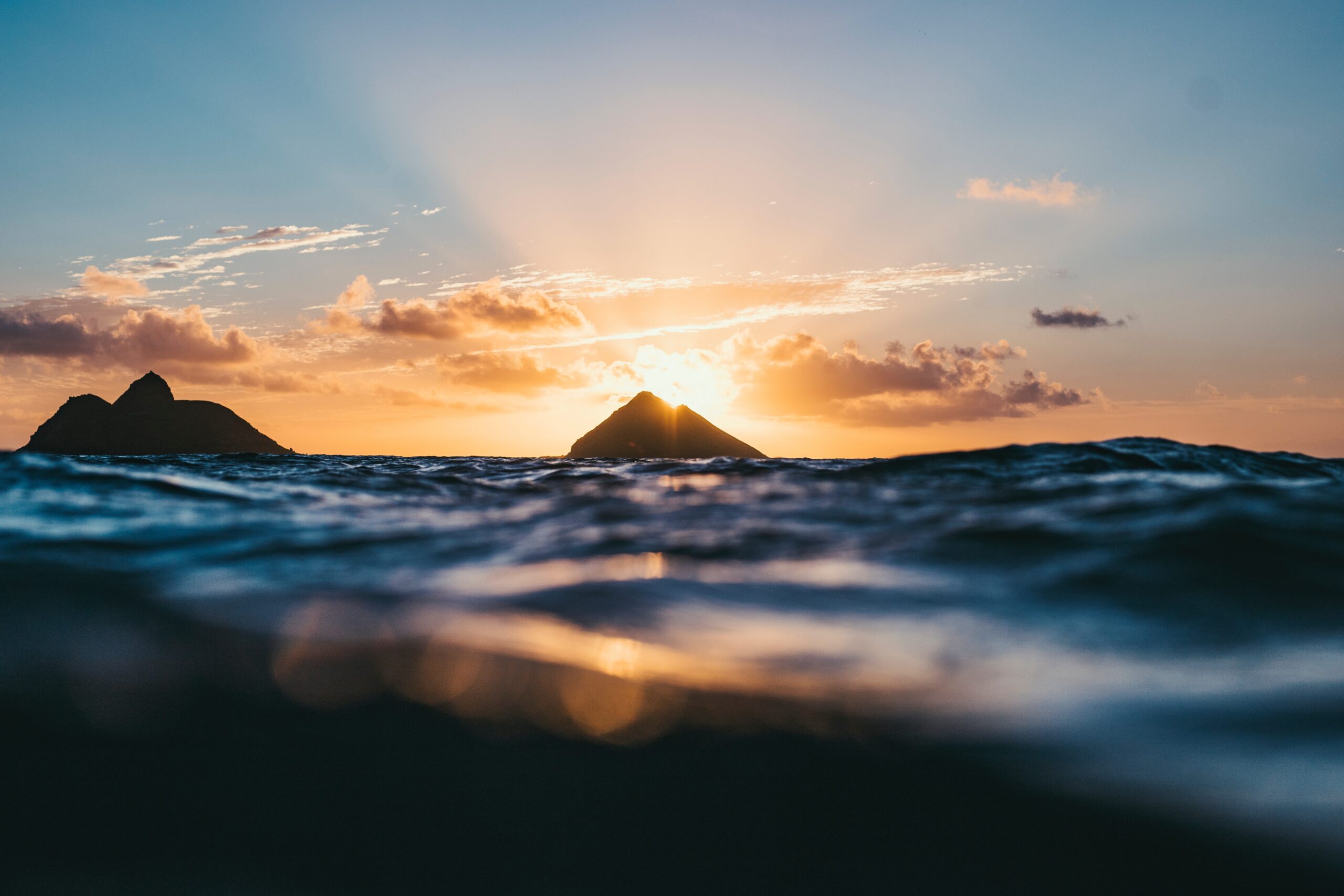
Photo by Ryan Pernofski
-

2024 Greatest Hits of the CORAL Blog
2024 has been a remarkable year for coral reef conservation, with educational, informational, and inspirational stories taking center stage. Because of people like YOU, we’re able to bring these stories to life and make a profound impact on coral reefs around the world, as well as the communities that depend on them. Below are our…
-

Assessing Coral Reefs through Adaptation Science
Coral reefs are powerful yet vulnerable ecosystems, rich in biodiversity but increasingly at risk in a changing world. Here at the Coral Reef Alliance, our team advances science to assess the adaptive capacity of corals, protect diverse reef networks, and restore marine ecosystems by influencing management and policy decisions. Our research shows coral reefs can…
-

Restoring Coral Reefs Through Clean Water and Sustainable Fisheries
For over 30 years, the Coral Reef Alliance (CORAL) has been at the forefront of coral reef conservation. What began as a small group of SCUBA divers passionate about protecting these ecosystems has grown into a global alliance, dedicated to saving coral reefs through innovative partnerships, global conservation science, and community-driven action. Our mission centers…
-

Why Clean Water is Vital for the Future of Our Oceans
As we navigate the challenges of the 21st century, the health of our oceans remains a critical concern. Oceans cover more than 70% of our planet’s surface and are integral to life on Earth. However, the future of these vast, life-sustaining waters are increasingly threatened. Ensuring our oceans are clean is not just an environmental issue…
-

Mariculture: An Innovative Approach to Coral Conservation
Currently, population growth in coastal areas has led to an increase in fishing activity in different parts of the world. Naturally, higher populations demand greater economic outputs as the need for food and household income also grows. Coastal communities such as those in Honduras’ Tela Bay are experiencing significantly greater pressures on fishing resources and,…
-

Introducing the Coral Bleaching Toolkit & Comprehensive Guide, A Crucial Step Towards Coral Reef Conservation
The world’s coral reefs, renowned for their unparalleled beauty and biodiversity, face an existential threat due to coral bleaching. In response to this growing concern, we at the Coral Reef Alliance are honored to introduce the Coral Bleaching Toolkit & Comprehensive Guide – a much needed and timely online resource that consolidates information around how…
-

Coral Reefs in a Changing Climate: Expanding to the Coral Triangle
Coral reefs are some of the most biodiverse ecosystems on the planet, providing critical habitat for countless species of fish, invertebrates, and other marine life. Unfortunately, coral reefs are also highly vulnerable to the impacts of climate change, including rising sea temperatures, ocean acidification, and more frequent and intense storms. This has led to a…
-

Curbing the Spread of Stony Coral Tissue Loss Disease in the Honduran Bay Islands
Reef-building corals have faced unprecedented damage over the past century, primarily due to increasing human pressure on coral communities. One of the most devastating challenges faced by Caribbean corals is the outbreak of stony coral tissue loss disease (SCTLD), which was first detected in Florida in 2014. Since then, it has rapidly spread to 26…
-

The Mysteries of “Misbehaving” Coral Reefs
Hold on to your scuba masks because we’ve got some wild news for you—coral reefs are misbehaving! That’s right, underwater communities are breaking all the rules and thriving in unexpected conditions. Our field teams are studying these reefs across the globe—from Tela Bay, Honduras to Hilo, Hawaii. Maybe they’re onto something. Could these misbehaving coral…