Blog
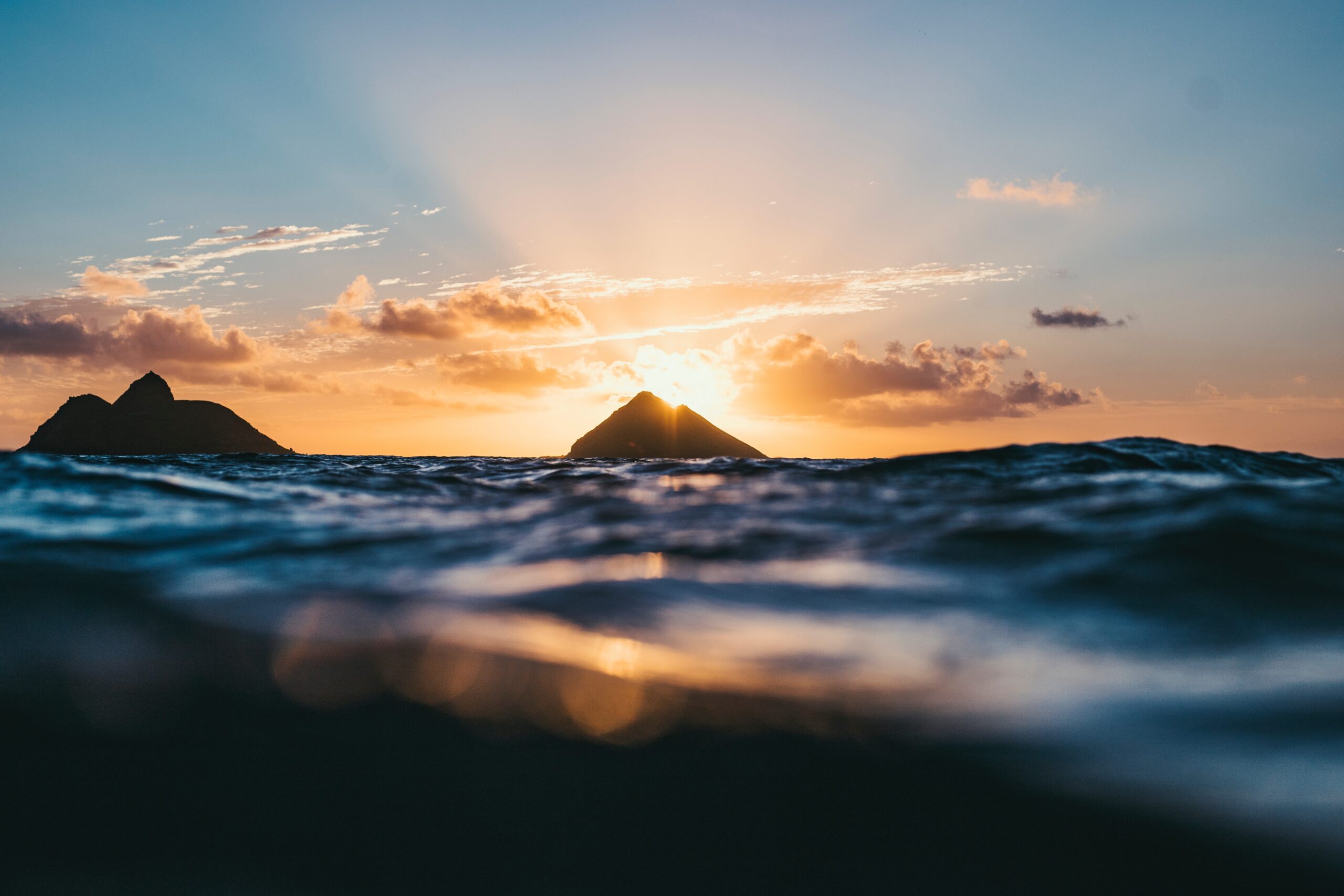
Photo by Ryan Pernofski
-

Sunscreen 101: Protect Your Skin and Coral Reefs
Coral reefs stand as some of the planet’s most breathtaking and diverse ecosystems, yet they remain incredibly delicate and susceptible to various threats. Predictions from scientists paint a grim picture, anticipating that by 2050, all coral reefs will be classified as “threatened.” Beyond issues like overfishing, pollution, and climate change, an unexpected contributor to this…
-
CORAL Joins Maui Nui Makai Network
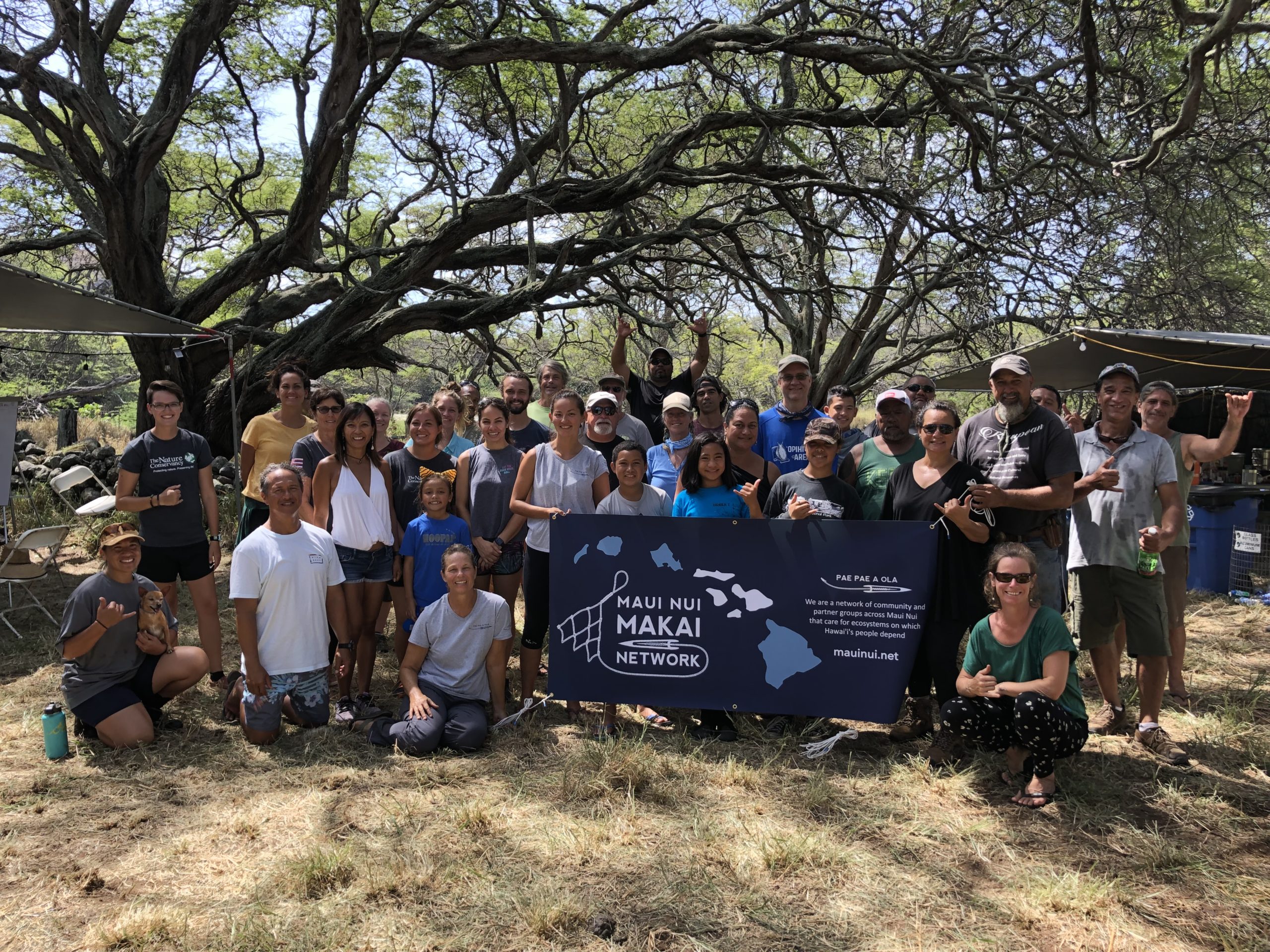
The Coral Reef Alliance (CORAL) is honored to join the Maui Nui Makai Network—a network of community groups from across Maui Nui that protect and care for marine and coastal ecosystems. The network was established in 2013 when community organizations decided they would be stronger working together than separately. Network members meet regularly to learn…
-
Guide to Becoming a Reef-Safe Traveler
Heading to a coral reef destination soon? Download our free Reef-Safe Travel Guide to find more meaningful ways to connect with the local community and enjoy an ocean-friendly vacation. With travel opening up, coral reefs that spent much of 2020 largely untouched by tourists are now seeing an influx of visitors who are eager to…
-

Stony Coral Tissue Loss Disease Detected in Honduras — Here’s What That Means
While the coronavirus pandemic spread around the world, a destructive disease was also wreaking havoc underwater on coral reefs: stony coral tissue loss disease. This fast-spreading disease, which can rapidly kill huge swaths of coral if left untreated, was recently discovered in coral reefs off the coasts of Roatán, Guanaja, and Utila, three Caribbean islands…
-

With Healthy Fisheries, Everyone Wins
Santos Banegas has been fishing off the coast of Puerto Castilla, Honduras, for the last 35 years. At the start of his fishing career, he remembers routinely catching 300 to 500 pounds of fish a day, which meant he could easily feed and support his family. Today, he’s lucky if he catches 30 to 40…
-

Breaking the Taboo Around Pee and Poo to Help Save Coral Reefs
Most of us are all too happy to flush the toilet and send our waste down the drain, where it flows far, far away and we never have to think about it again. But this wastewater actually deserves more of our attention. All around the world, sewage is polluting the oceans and causing harm to…
-

Meet Our New Board Members
We’re pleased to welcome two new members to the Coral Reef Alliance (CORAL) Board of Directors: Lauretta Burke and María José González. We sat down with both of these inspiring conservationists to find out more about their goals for CORAL. Q: Why do you feel so passionately about protecting coral reefs and what keeps you…
-

New Research Turns Basic Ecological Theory on its Head
In a lot of ways, corals are like trees—they stay rooted in one spot their whole lives, and they disperse their young into the environment. With many trees, their young typically fall to the ground and stay relatively close. But with corals, their young are moved by ocean currents that can carry them thousands of…
-

CORAL Creates First-Ever Fish Catalogs in Honduras
Lea esto en español When Coral Reef Alliance (CORAL) researchers first began working with fisheries on the North Coast of Honduras, they encountered an all-too-common dynamic: Local fishers held a wealth of knowledge of the various fish species of the region, but that information wasn’t documented anywhere. The local knowledge is passed down from generation…