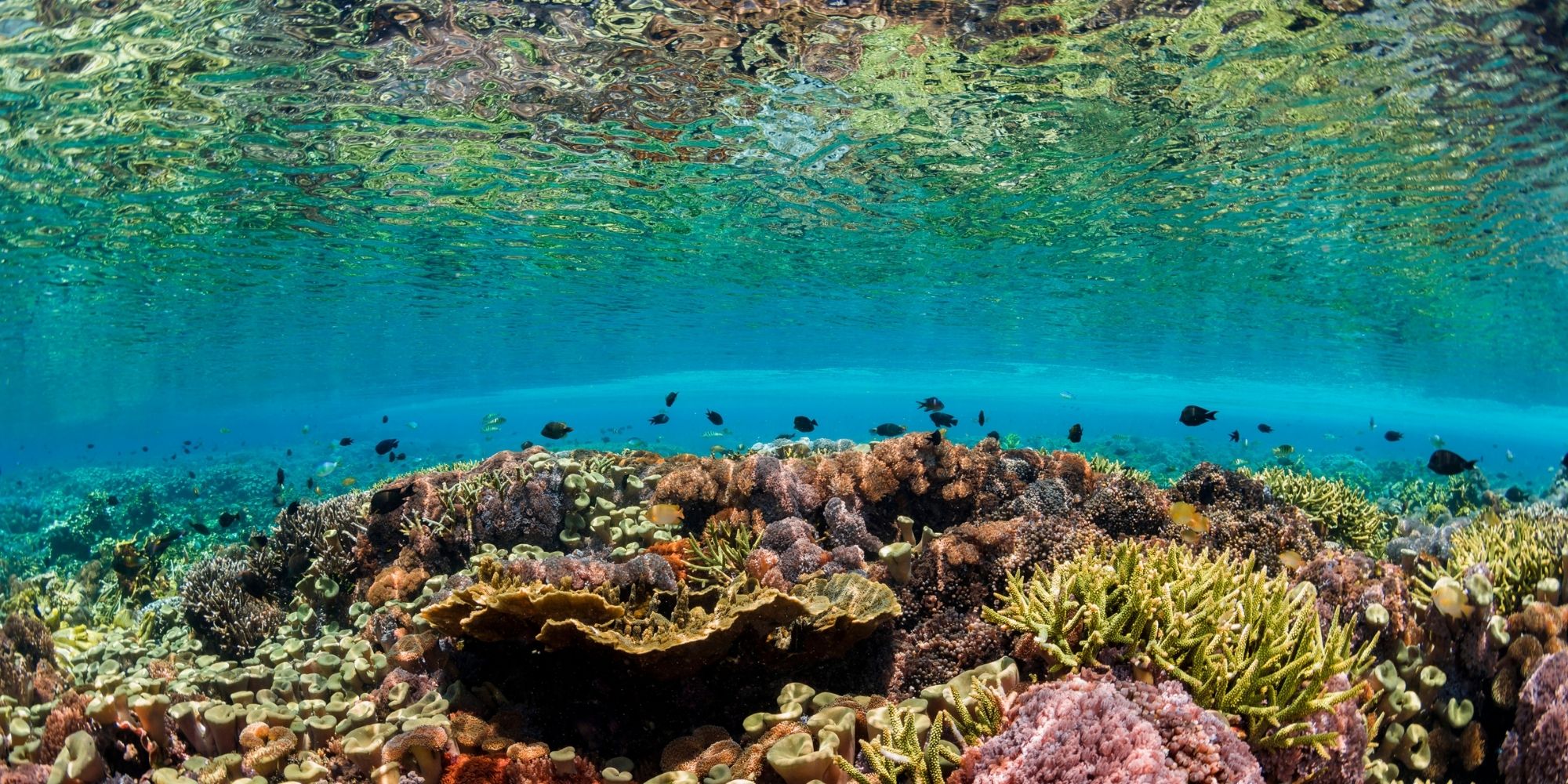
Thank You For Protecting Coral Reefs
Photo Credit: Beth Watson / Ocean Image Bank
Thank you—your purchase supports coral reef conservation efforts around the world!
Did you know that scientists predict that all coral reefs will be threatened by 2050? But there is still reason for hope. Scientific research shows that coral reefs can adapt to the effects of climate change if given the right conditions such as clean water, health fisheries, and intact ecosystems.
By saving coral reefs from the effects of climate change, you help more than a million marine species and support countless communities that depend on coral reefs for food, income, and coastal protection.
Stay Connected
See Where Your Donation Goes
-
CORAL’s Mesoamerica Regional Program Director was Selected as a Global Ambassador for Panorama
CORAL’s Regional Program Director for Mesoamerica, Tanya Amaya, was selected to be one of the 13 ambassadors to serve in a new and selective global ambassador program led by our partner, Panorama. The initiative provides CORAL with an opportunity to share, promote, and help implement replicable solutions for coral reef conservation on a larger scale. …
-
CORAL is Now a Fully Remote Workplace
From Oakland to Maui to Cozumel to Roatan, CORAL is truly spread throughout the world with staff that are working together to save coral reefs. We started a transition to a fully remote workplace in 2020, and since then CORAL has been able to utilize a wider pool of talented staff members and provide a…
-
Why Are Oceans Important? And What Can We Do To Protect Them?
Big, beautiful, and blue—are all words that come to mind when thinking about our oceans. But more than just a picturesque beach vacation, oceans are an incredibly valuable component of our planet. That’s why the United Nations (UN) designated June 8 as World Oceans Day, serving as an opportunity to raise awareness about the role…


