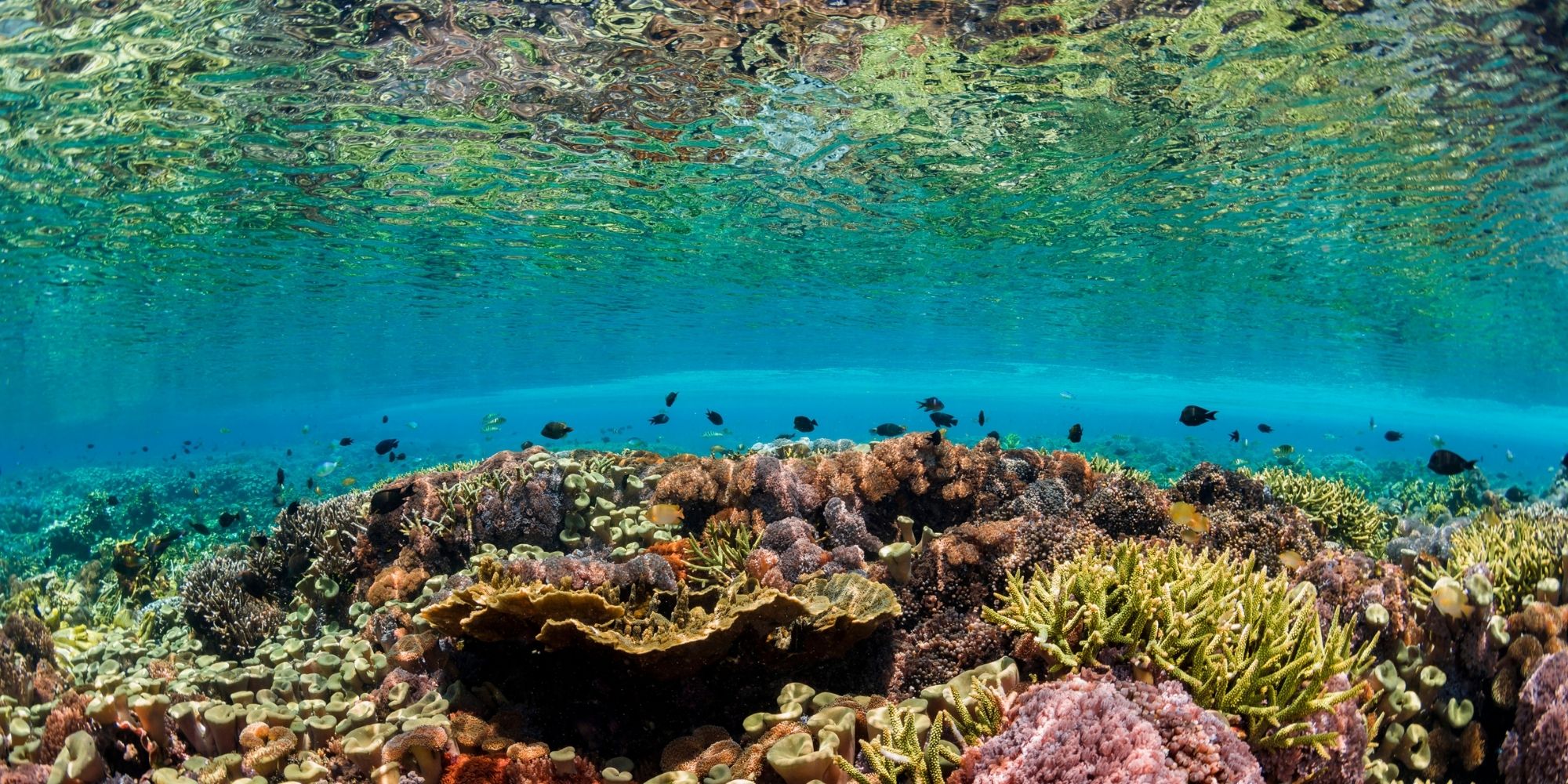
Thank You For Protecting Coral Reefs
Photo Credit: Beth Watson / Ocean Image Bank
Thank you—your purchase supports coral reef conservation efforts around the world!
Did you know that scientists predict that all coral reefs will be threatened by 2050? But there is still reason for hope. Scientific research shows that coral reefs can adapt to the effects of climate change if given the right conditions such as clean water, health fisheries, and intact ecosystems.
By saving coral reefs from the effects of climate change, you help more than a million marine species and support countless communities that depend on coral reefs for food, income, and coastal protection.
Stay Connected
See Where Your Donation Goes
-
CORAL Position Statement- Intergovernmental Panel on Climate Change (IPCC) Releases Special Report on the Impacts of Global Warming of 1.5° C
Background: On October 8th, the IPCC issued its special report on the impacts of global climate change on nature and society. Specifically, the IPCC examined the results of warming of 1.5°C above pre-industrial levels in the context of the global response to the threat of climate change, sustainable development, and efforts to eradicate poverty. The…
-
Approaches to Coral Reef Conservation
Over the past few years, there’s been a steady increase and interest in a number of coral conservation activities that fall into the broad category of restoration. These include coral gardening, breeding corals in tanks and transplanting them onto reefs and growing corals on artificial reef structures in the water. At the Coral Reef Alliance…
-
CORAL’s Innovative Approach to Resolving Stormwater Issues in Maui
In a natural landscape, trees and soil help soak up rainwater, but in developed or urban landscapes, rainwater falls onto streets, parking lots, roofs, or other non-absorbent surfaces like concrete and asphalt. Instead of sinking into the ground, rainwater runs off the land, picking up harmful pollutants like nutrients, pesticides, petroleum residues, and sediments along…

