Local and Global News
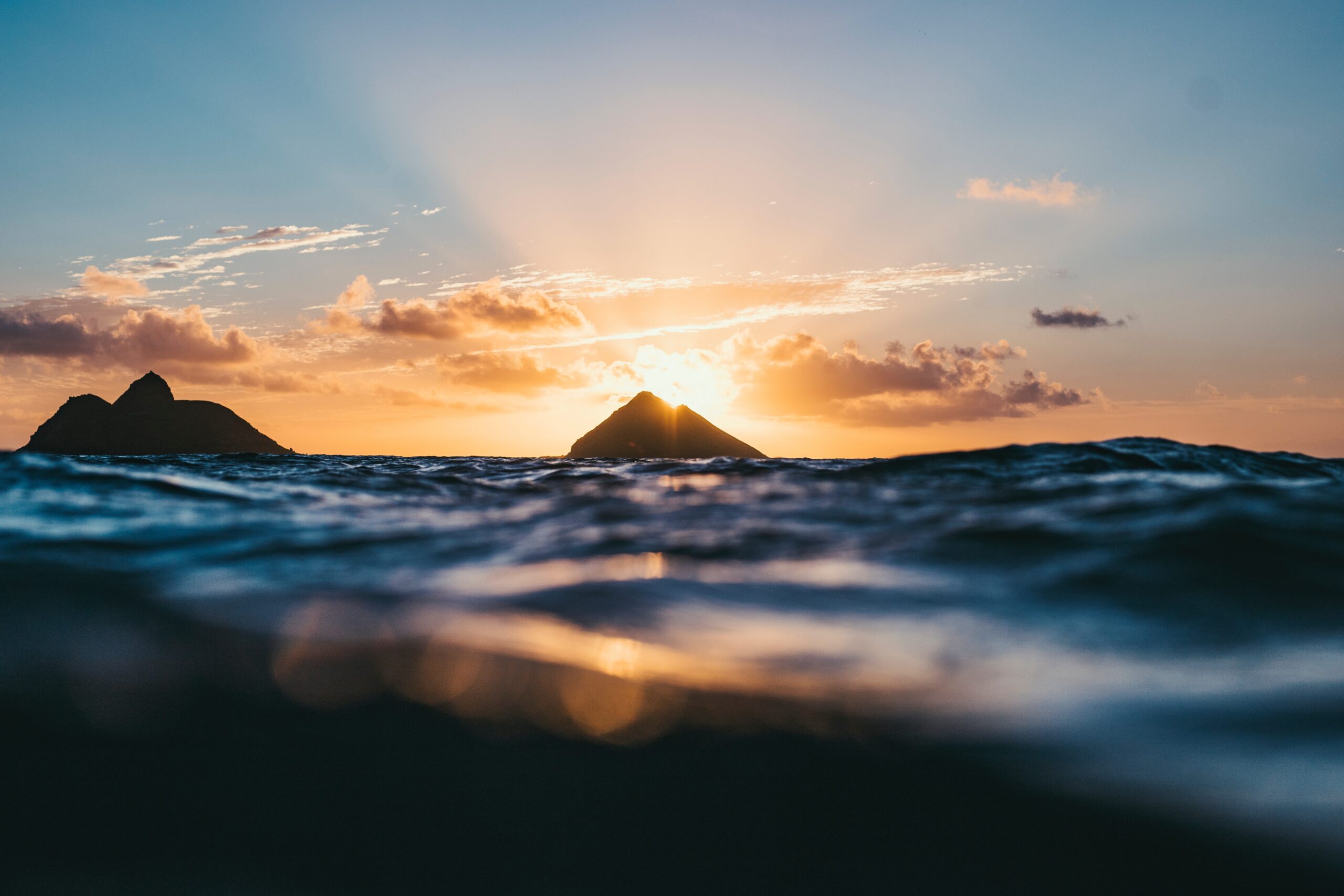
Photo by Ryan Pernofski
-

Hawai’i County Allocates $1.8 Million to Clean Water and Coral Reefs
The Hawai‘i County Council on March 3 voted to approve the allocation of $1.8 million to address ocean sewage pollution in Puakō, Hawai‘i. The Puakō coastline is one of 14 priority sites that have been identified in Hawai‘i as areas to be transitioned off of cesspools. Across the state, an estimated 88,000 cesspools release 53…
-

Roatán Marine Park: A Year of Strength
Over the last 15 years, we’ve stood alongside the Roatán Marine Park (RMP) as they’ve grown into the model marine management organization that they are today. They set the standard for how a marine protected area should be managed, and we’ve been honored to partner with them to build capacity and ensure they have the…
-

Talking Story About Maui’s Coral Reefs
Last month, we were honored to be selected by the National Fish and Wildlife Foundation (NFWF) as a recipient of the Coral Reef Conservation Fund grant, our second in as many years. The grant supports our restoration projects in West Maui, Hawai‘i where we’re planting native plants along stream banks and degraded agricultural lands to…
-

There’s Nothing Romantic About Sewage
There’s a certain romanticized notion of what it must be like to be a coral reef scientist: living in a tropical environment with beautiful white sand beaches, snorkeling and diving every day, surrounded by colorful wildlife and pristine turquoise waters. Sounds dreamy, doesn’t it? And for Dr. Antonella Rivera, Principal Investigator for the Coral Reef…
-

Sustainable Tourism in México
Together with our partners, we trained nearly 130 tourism operators on best practices for coral reef conservation throughout México, Belize and Honduras this year. Each year, about 22 million people visit Quintana Roo, México. The Caribbean coastline offers beautiful clear blue waters, white sand beaches, and easy access to the second-largest reef system in the…
-

900 Native Plants for Coral Reefs
On Maui, we enabled 10-year-old Abby Rogers to grow 900 native plants in her backyard to help us prevent sediment from entering the ocean and smothering coral reefs. When COVID-19 hit, 10-year-old Abby Rogers was looking for a way to help protect the environment. As a newly certified SCUBA diver, the Maui resident could now…
-

Finding Resilience in Honduras
As Executive Director of the Roatán Marine Park, Francis Lean can relate to her tourist clientele—she used to be one of them. Originally from Tegucigalpa, the capital of Honduras, Lean used to join the 1.6 million people who visited Roatán on vacation each year. Roatán is one of the three main islands that make up…
-

Maui 10-Year-Old Grows 900 Native Plants to Protect Coral Reefs
10-year-old Abby Rogers has converted her backyard into a native plant nursery to help save coral reefs. Rogers is a volunteer with the Coral Reef Alliance (CORAL), helping to grow native plants that will be transplanted at their stream restoration site in Wahikuli. The native plants trap sediment that runs off the slope and into…
-
Maui 10-Year-Old Grows 900 Native Plants to Protect Coral Reefs
For Immediate Release Thursday, October 1, 2020 Maui, Hawai’i – 10-year-old Abby Rogers has converted her backyard into a native plant nursery to help save coral reefs. Rogers is a volunteer with the Coral Reef Alliance (CORAL), helping to grow native plants that will be transplanted at their stream restoration site in Wahikuli. The native…