Local and Global News
Photo by Ryan Pernofski
-

The Smell You Can’t Ignore: What Sargassum Is and Why It’s Taking Over Caribbean Beaches
Do you smell that?It’s the unmistakable stench of rotting eggs, drifting as far as half a mile inland from parts of the Caribbean coastline. That smell is hydrogen sulfide, and it’s the unpleasant calling card of massive sargassum blooms now washing up on beaches across Mexico, Honduras, Belize, and other parts of the Mesoamerican Reef…
-
What is a Destination Management Organization? And How Can a DMO Protect Coral Reefs in Cozumel?
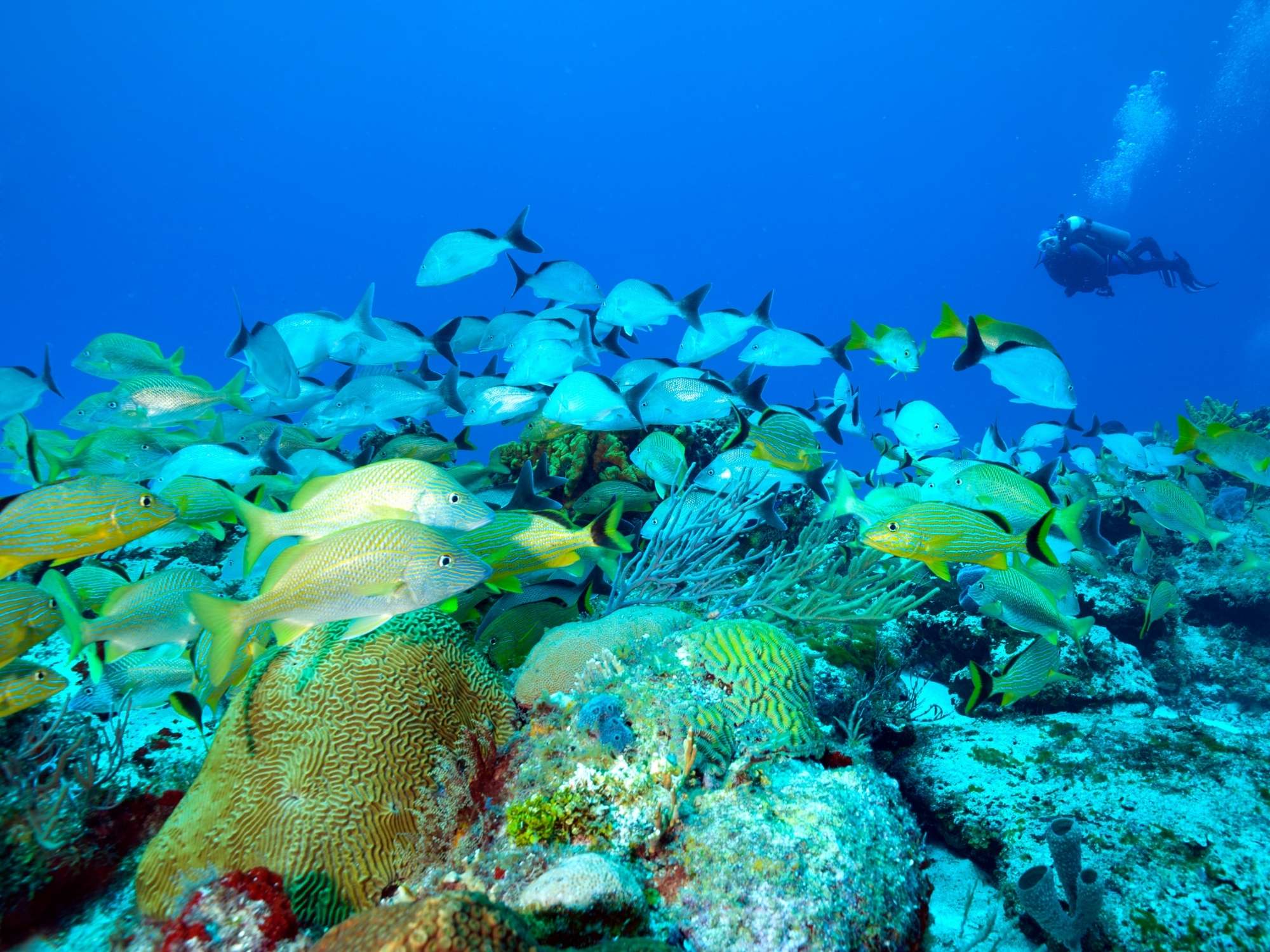
Sandy white beaches, turquoise waters, and vibrant coral reefs—it’s the type of travel destination that many of us dream of. Vacation season is quickly approaching and soon, millions of eager tourists will pack their bags and flock to some of the world’s most beautiful, sought-after destinations. But increased popularity means many of the natural resources…
-

Using Lessons Learned in Puakō, Hawai’i to Tackle Wastewater Pollution Worldwide
Erica Perez, CORAL’s Senior Program Manager on Hawai’i Island, just wrapped up her time as a mentor during the new Wastewater Pollution course led by our partner the Reef Resilience Network (RRN). Perez played an active role in helping students understand the threats of wastewater pollution on coral reefs and implement effective strategies to mitigate…
-

Local Scientists Find New Coral Reefs in Trujillo, Honduras. Here’s What That Could Mean for Mesoamerica
Local scientists from CORAL and the Healthy Reefs Initiative (HRI) made an exciting, new discovery during this year’s coral reef monitoring in Trujillo, Honduras. With the help of nearby fishers, they found multiple sites of new coral reefs that have not previously been monitored or studied by the local scientific community. For a while, local…
-
Tela Bay’s 2021 Closed Fishing Season Shows Success
Tela Bay, Honduras—Recent monitoring data collected from Los Micos Lagoon demonstrated a 483 percent increase in fish biomass after a closed fishing season in 2021, signifying both higher quantities and larger sizes of fish. Likewise, it showed an increase in diversity of species and trophic levels. Los Micos Lagoon often suffers from overfishing, impacting populations…
-
CORAL Joins Maui Nui Makai Network
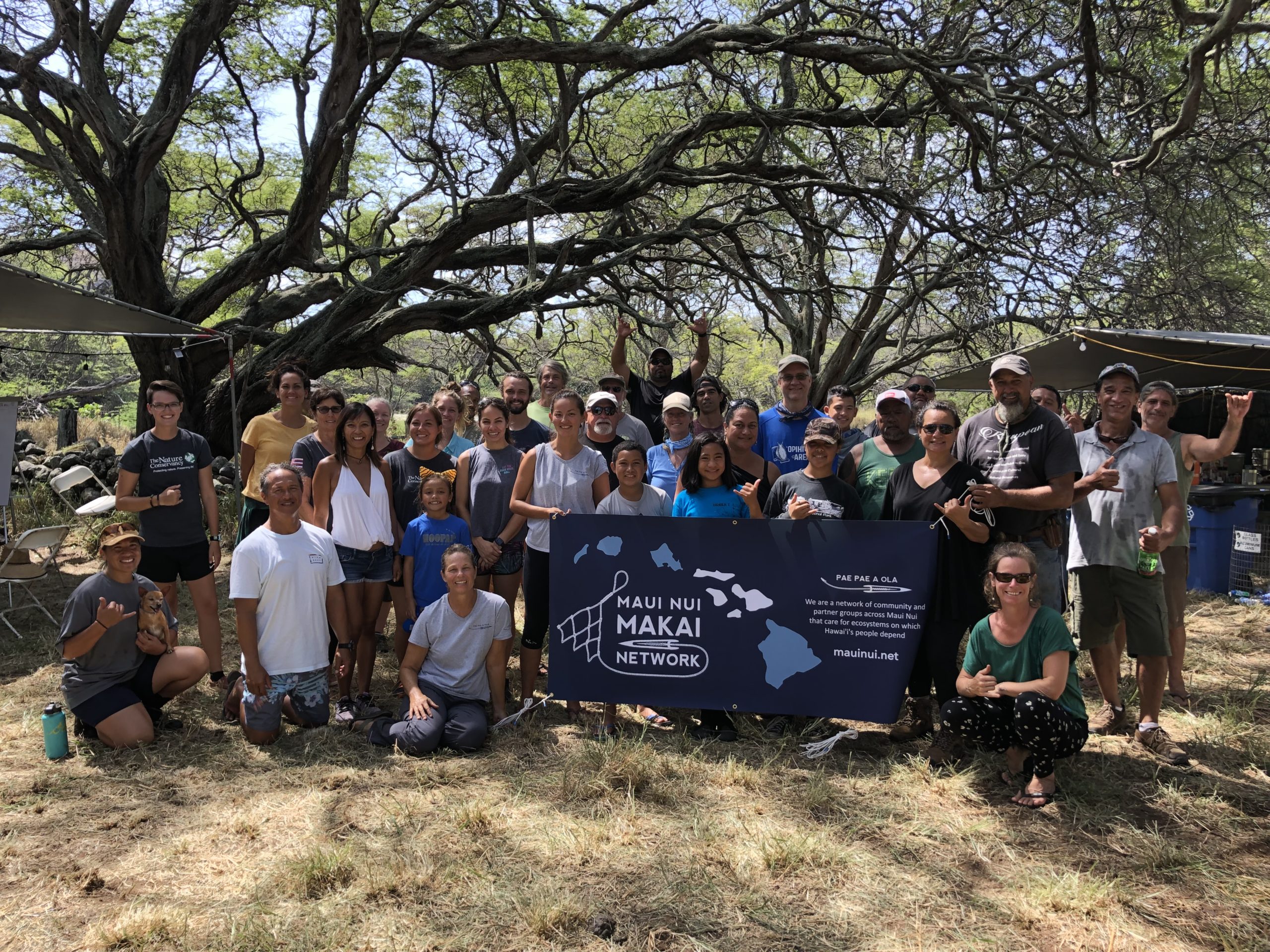
The Coral Reef Alliance (CORAL) is honored to join the Maui Nui Makai Network—a network of community groups from across Maui Nui that protect and care for marine and coastal ecosystems. The network was established in 2013 when community organizations decided they would be stronger working together than separately. Network members meet regularly to learn…
-

Stony Coral Tissue Loss Disease Detected in Honduras — Here’s What That Means
While the coronavirus pandemic spread around the world, a destructive disease was also wreaking havoc underwater on coral reefs: stony coral tissue loss disease. This fast-spreading disease, which can rapidly kill huge swaths of coral if left untreated, was recently discovered in coral reefs off the coasts of Roatán, Guanaja, and Utila, three Caribbean islands…
-

With Healthy Fisheries, Everyone Wins
Santos Banegas has been fishing off the coast of Puerto Castilla, Honduras, for the last 35 years. At the start of his fishing career, he remembers routinely catching 300 to 500 pounds of fish a day, which meant he could easily feed and support his family. Today, he’s lucky if he catches 30 to 40…
-

Could Cleaner Water Mean Farewell for Coral Disease?
Lea esto en español When improperly treated sewage enters the marine environment, it can have devastating effects on a coral reef. Not only does it bring bacteria that can pose a threat to human health, but it also brings nutrients that fuel the growth of algae—a fierce competitor in the coral reef ecosystem. Algae compete…