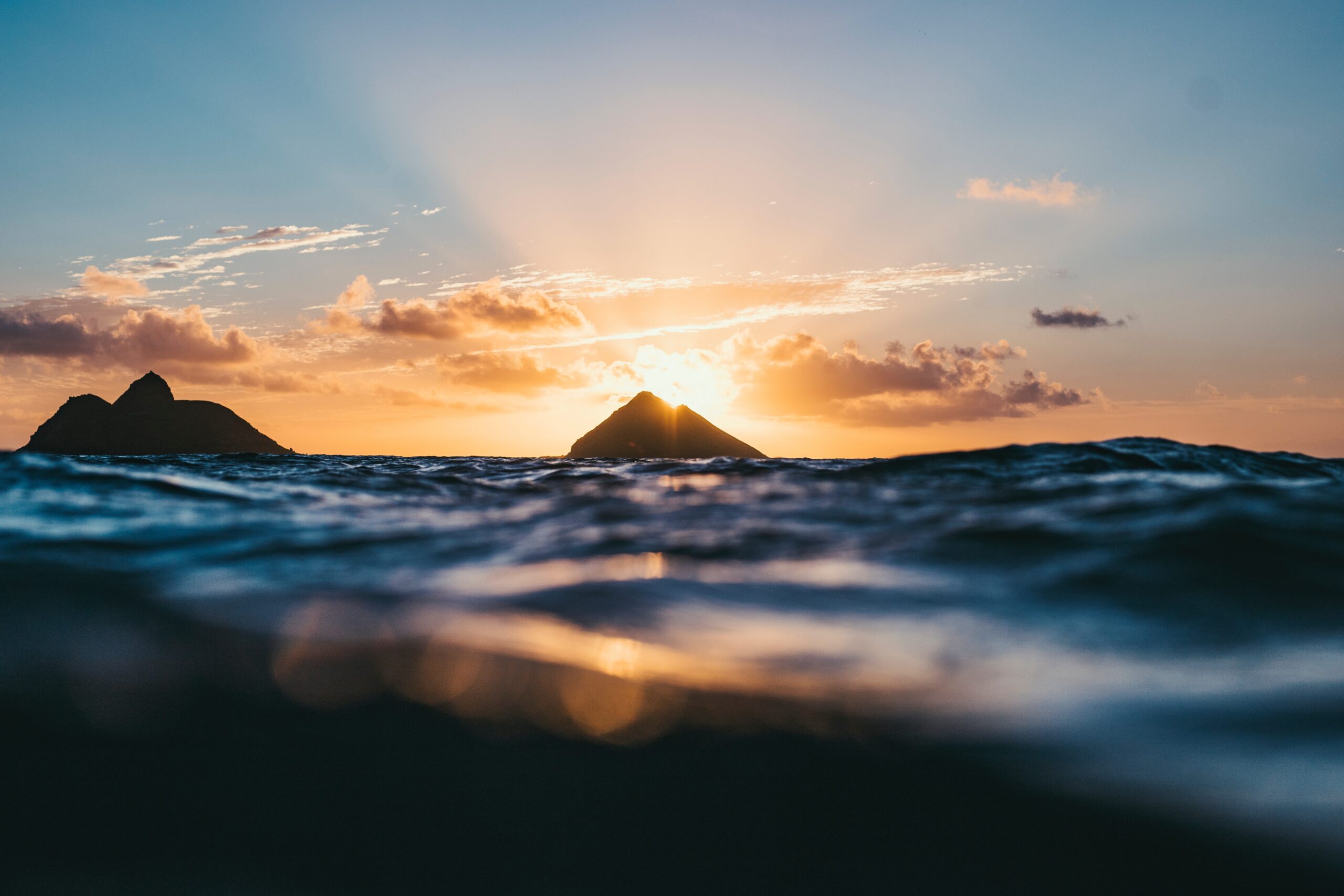
Protected Areas
Photo by Ryan Pernofski
-

The Importance of Marine Protected Areas
Let’s explore Marine Protected Areas (MPAs), the safe places of our ocean’s biodiversity. In the world of conservation, MPAs are a key strategy for protecting the most lively and endangered parts of our oceans. These are special areas–managed by a variety of groups, including governments, local communities, and organizations like ours–that vary from places with…
-

What is a Marine Protected Area (MPA)?
In the conservation and nonprofit sector, we throw around a lot of acronyms. To our team, none is more important than “MPA” – a marine protected area. Marine Protected Areas (MPAs) are designated areas of the ocean that are set aside for conservation and management purposes. These areas are intended to preserve and protect the marine…
-

New Management Plan Will Protect Coral Reefs in Tela Bay, Honduras
Tela Bay, Honduras has some of the healthiest corals along the Mesoamerican Reef, boasting an abundance of critically endangered species, averaging a high rate of coral cover, and providing an important source of coral larvae for the region. It’s why we work with local communities, scientists, and partners to protect Tela Bay and its natural…
-
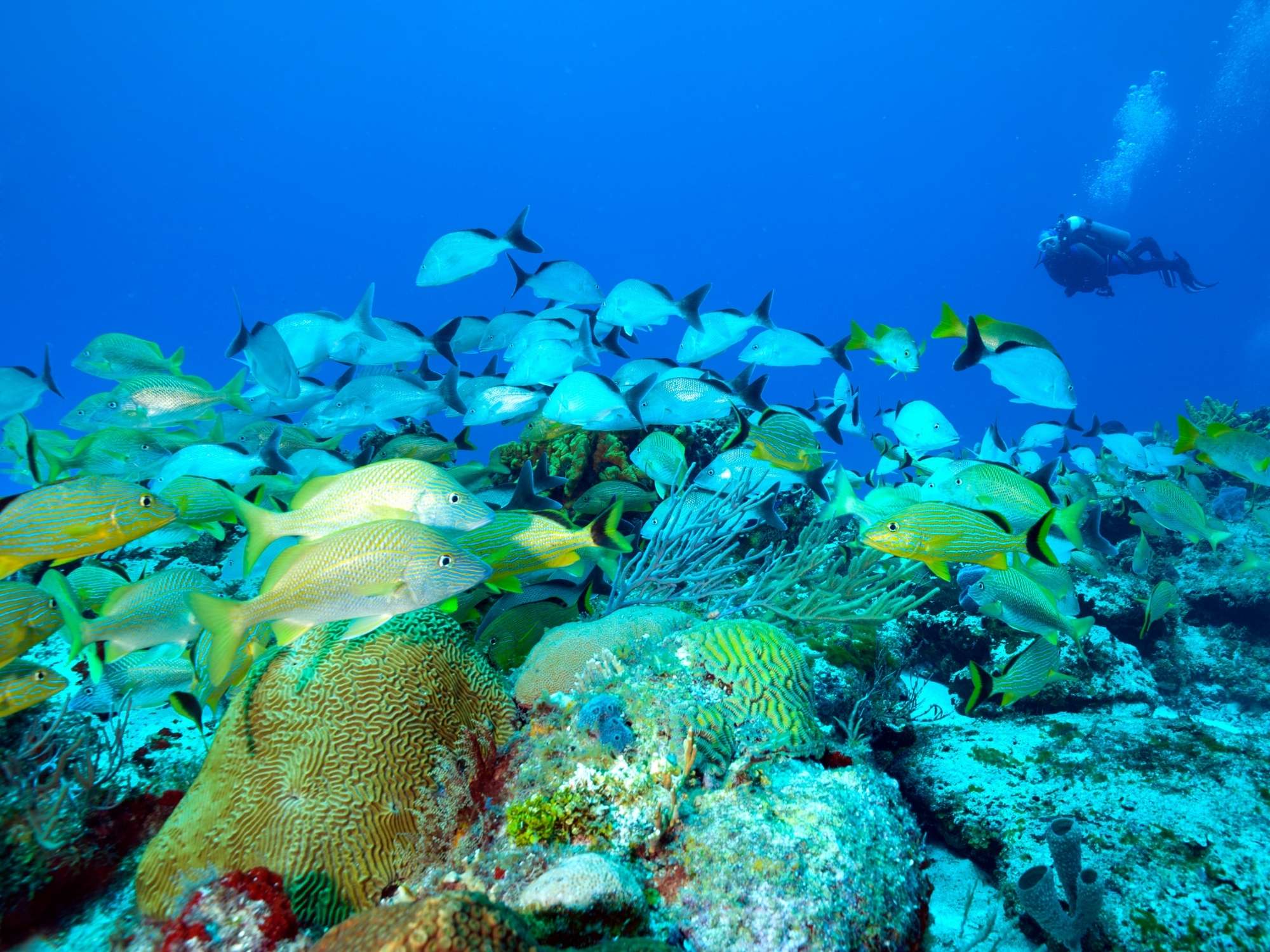
What is a Destination Management Organization? And How Can a DMO Protect Coral Reefs in Cozumel?
Sandy white beaches, turquoise waters, and vibrant coral reefs—it’s the type of travel destination that many of us dream of. Vacation season is quickly approaching and soon, millions of eager tourists will pack their bags and flock to some of the world’s most beautiful, sought-after destinations. But increased popularity means many of the natural resources…
-

Long-term Conservation and Collaboration in Honduras Pays Off for Coral Reefs
In January 2018, we shared the results of Healthy Reefs Initiative (HRI)’s report on the status and trends of reef health in the Mesoamerican Reef (MAR). One of the key findings of the HRI Report Card is that the long-term dedication and collaboration of groups like CORAL in the Mesoamerican Reef (MAR) has paid off,…
-

Tourism & Marine Protected Areas
Day 6 of our underwater journey continues with marine protected areas (MPAs). MPAs help protect fish living on coral reefs by safeguarding certain types of fish that are vital to the reef’s ecosystem. However, creating a management program costs money and many of them do not have adequate staffing or financial resources to be effective.…
-

Grouper, Local Fisheries & Marine Protected Areas
Day 5 of our underwater journey continues with groupers, local fisheries and marine protected areas. Five hundred million people around the world depend on reef fish and other animals for food and income. In addition to providing a significant source of protein for up to a billion people, coral reef fish support commercial and artisanal…
-

Effective Management for the Pacific Remote Islands
I was thrilled when I heard the news about President Obama creating the largest marine reserve in the world by expanding the Pacific Remote Islands National Marine Monument (PRINMM). At CORAL, we work all over the world to create networks of marine protected areas. But with any marine protected area, successful management is always a…
-

Protecting Manta Rays—and Marine Biodiversity
Talking about marine biodiversity means talking about Indonesia, says CORAL Triangle Regional Manager Naneng Setiasih: the largest archipelago in the world with 17,500 islands, Indonesia also has the highest marine biodiversity in the world, including migratory species like the manta ray. Indonesia recently declared three million square kilometers of its seas as a manta sanctuary.…