Blog
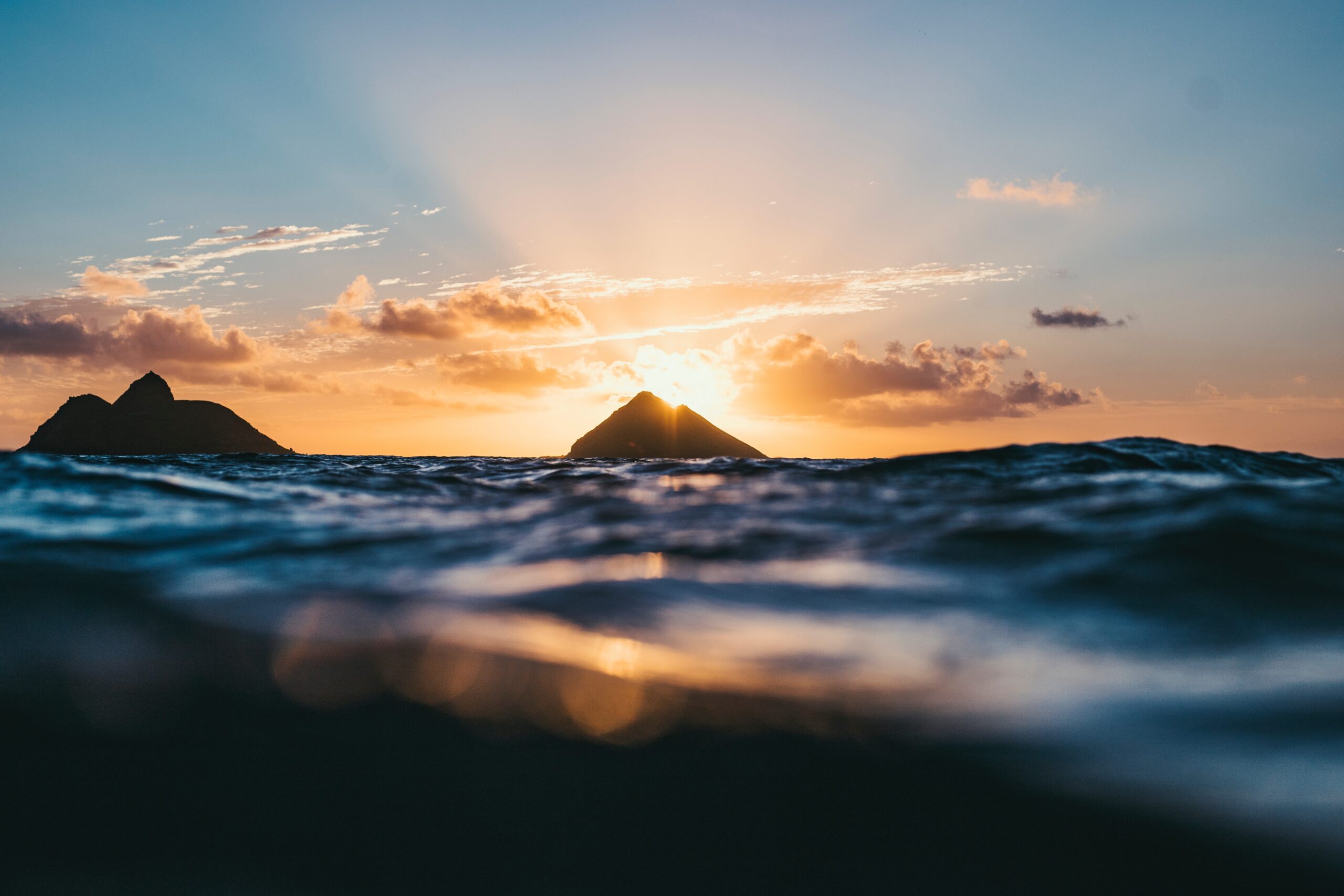
Photo by Ryan Pernofski
-

Grouper, Local Fisheries & Marine Protected Areas
Day 5 of our underwater journey continues with groupers, local fisheries and marine protected areas. Five hundred million people around the world depend on reef fish and other animals for food and income. In addition to providing a significant source of protein for up to a billion people, coral reef fish support commercial and artisanal…
-

Conservation Action: Through the Eyes of Communities
Day 4 of our underwater journey continues with Tulamben and Amed—two small fishing villages in Bali, Indonesia that were featured in our 2015 Annual Report. Dive tourism, fishing and farming are the lifeblood of Tulamben and Amed, and there is a deep concern about the health and management of local coral reefs. Because of these…
-

One Person Can Make a Difference
Day 2 of our underwater journey continues with Paulo Kolikata, a Fijian fisherman from Kubulau and our 2015 CORAL Conservation Prize Winner. Individuals, like you or me, can profoundly impact components of the natural world – and that is particularly true with coral reefs. Over five hundred million people depend on coral reefs to support…
-

Hard Corals, Nature’s Seawalls
Day 1 of our underwater journey starts with hard corals and how they protect our coastlines. Healthy reefs act as natural barriers that protect coastal cities, communities and beaches from pounding ocean waves. Without coral reefs, many beaches and buildings would become vulnerable to waves and storm damage. And with increasing storm intensity predicted as…
-

The Long Road to Recovery
It was early Sunday morning, in the wake of Tropical Cyclone Winston. No one knew the full extent of the damage it had left behind. Scattered reports were coming through the little transistor radio my mum kept for emergencies, and for the days and weeks that followed, it would prove to be an incredibly valuable…
-

Protecting More Coral Reefs in Fiji
It’s a hot, humid day and I’m visiting the village of Waivunia on the island of Vanua Levu in Fiji. I’m sitting around a kava bowl with community elders, and we are discussing how to protect and conserve their marine resources. You see, this community depends on coral reefs, but the reefs are facing mounting…
-

News from the Field: A Bright Spot in Indonesia
I spent September in Indonesia working with our field staff and visiting our partner communities in Karangasem and Buleleng in northern Bali. While there, I was invited to visit some coral reefs off the West coast of Sulawesi. It was rumored that some areas had 100 percent live coral cover, so I jumped at the…
-

Making Connections Across Melanesia
My work with the Coral Reef Alliance (CORAL) provides me with many memorable experiences and opportunities. One of the greatest rewards is meeting and working with such diverse groups of people and building strong connections with the communities in Fiji. Following Tropical Cyclone Winston, l discovered just how passionately connected to the Kubulau community I…
-

Coral Reef Close-up: Mucus Munchers
Butterflyfish are a favorite for many reef lovers, and their unique feeding habits make them coral reef obligates (they are only found on coral reefs). Did you know that some of the 129 species of butterflyfish (Chaetodontidae) are “mucus munchers?” As strange as it might sound, some butterflyfish take advantage of energy-rich coral mucus as…