Blog
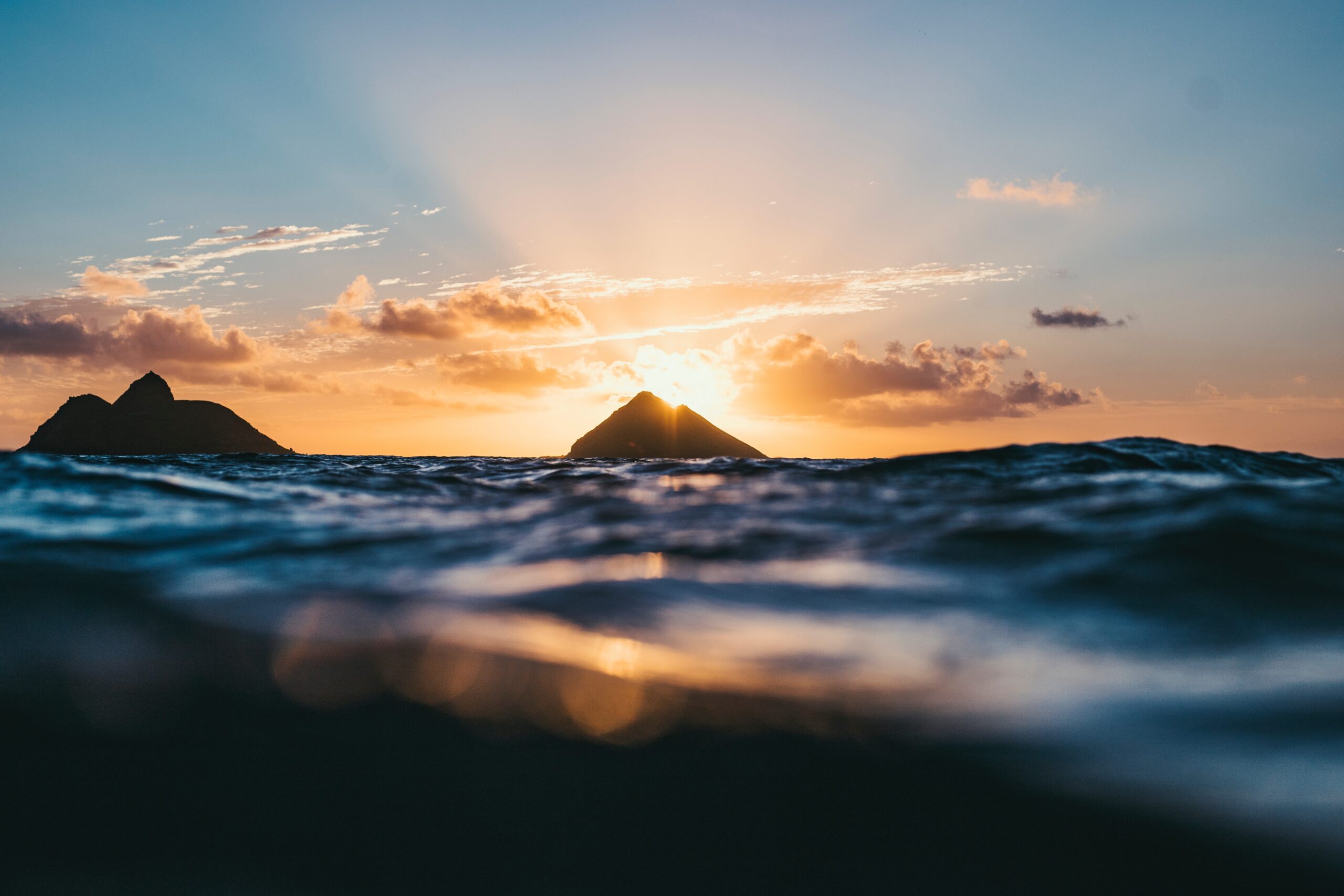
Photo by Ryan Pernofski
-

Sunscreen and Corals
For many of us, coral reefs are vacation destinations; places we feel lucky to visit. We plan our trip and packing lists carefully, and bring clothes and sunscreens to protect our skin from the intensity of the equatorial sun, but as we reported in January, sunscreen is not as safe for corals as we once…
-

Let’s Not Forget About the Local Communities
Last year, over 190 countries came together in France for the 21st session of the Conference of the Parties (COP 21). They negotiated the Paris Agreement—a global agreement on limiting global warming. It was a great example of setting ambitious policy to protect our natural resources. COP 21 has been a popular topic at this…
-

It’s Not Enough to Address Overfishing
Overfishing is a widespread problem across our oceans. As our global human population quickly approaches eight billion, pressures on these ocean resources will only increase. That means bad news for coral reef fish. They are even more vulnerable to overfishing than pelagic (open ocean) fish because of their biology, said Dr. Charles Birkeland in his…
-

Poor Water Quality is Hurting Coral Reefs
For many years, few people paid attention to the impacts that poor water quality has on coral reefs. But this is changing. At the International Coral Reef Symposium (ICRS), many sessions focused on discussing this important issue. Never has the CORAL team been so excited to hear so many talks on sewage, sedimentation, and runoff!…
-

Corals Can Adapt to Our Changing Environment
Coral reefs around the world are being hit hard by many stressors. At the local level, they’re dealing with issues like overfishing and poor water quality. At the global level, they’re facing warming temperatures, more acidic oceans, and stronger storms. With effective management, we can mitigate many local threats. But the global ones are a…
-
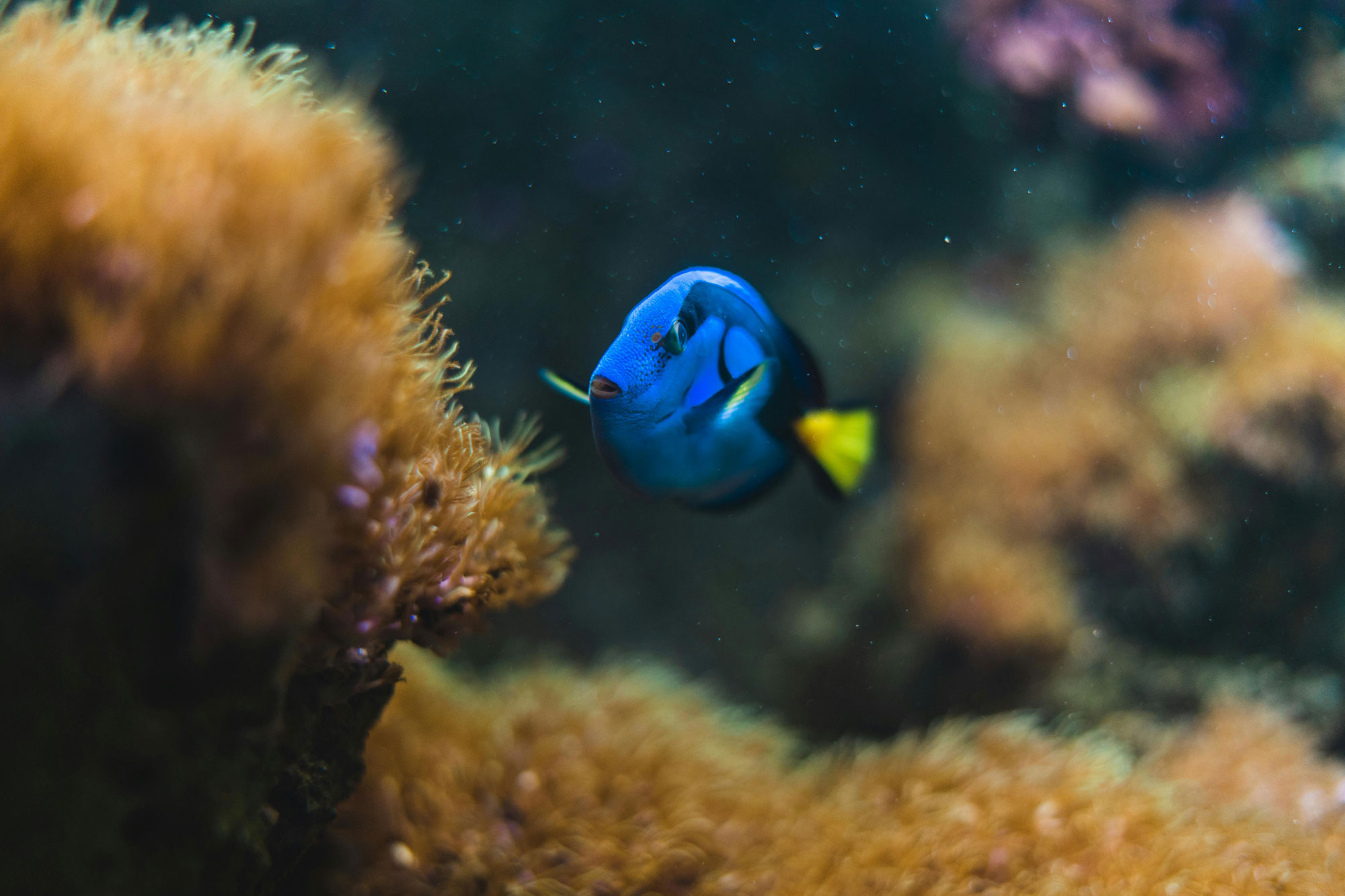
Who’s the Real Dory?
Meet the Real Fish Behind the Beloved Ocean Icon If you’ve ever watched Finding Nemo or Finding Dory, you already know Dory: the bright blue, big-hearted fish with a short memory and an even bigger personality. But the real Dory exists far beyond the screen, and she’s even more fascinating in the wild. The character…
-

Bleaching on Australia’s Great Barrier Reef
A plane flies low over a turquoise sea off the coast of Queensland in northern Australia. Below lies the largest reef in the world: the Great Barrier Reef (GBR). At first, I think—or maybe it’s hope—that the white patches are boulders or cresting wavelets. But as the plane flies on, their true identity becomes undeniably…
-

Announcing the successful completion of the Reefs Tomorrow Initiative
Over the past three years, CORAL has been privileged to work with world-class researchers from academic institutions and conservation organizations as part of the Reefs Tomorrow Initiative (RTI). Launched in 2012 with a grant from the Gordon and Betty Moore Foundation, RTI’s goal was to understand how multiple factors—for example, wave energy, herbivores, and the…
-

Roatan Marine Park—On Its Way to Autonomy
We love seeing communities come together to protect their coral reefs. The Roatan Marine Park (RMP) in Honduras is an inspiring example of how conservation efforts lead to great things. The success and growth they’ve shown are tremendous. Last year, CORAL invested in the sustainability of RMP with a $12,000 grant to hire a sustainable…