Thank You For Protecting Coral Reefs
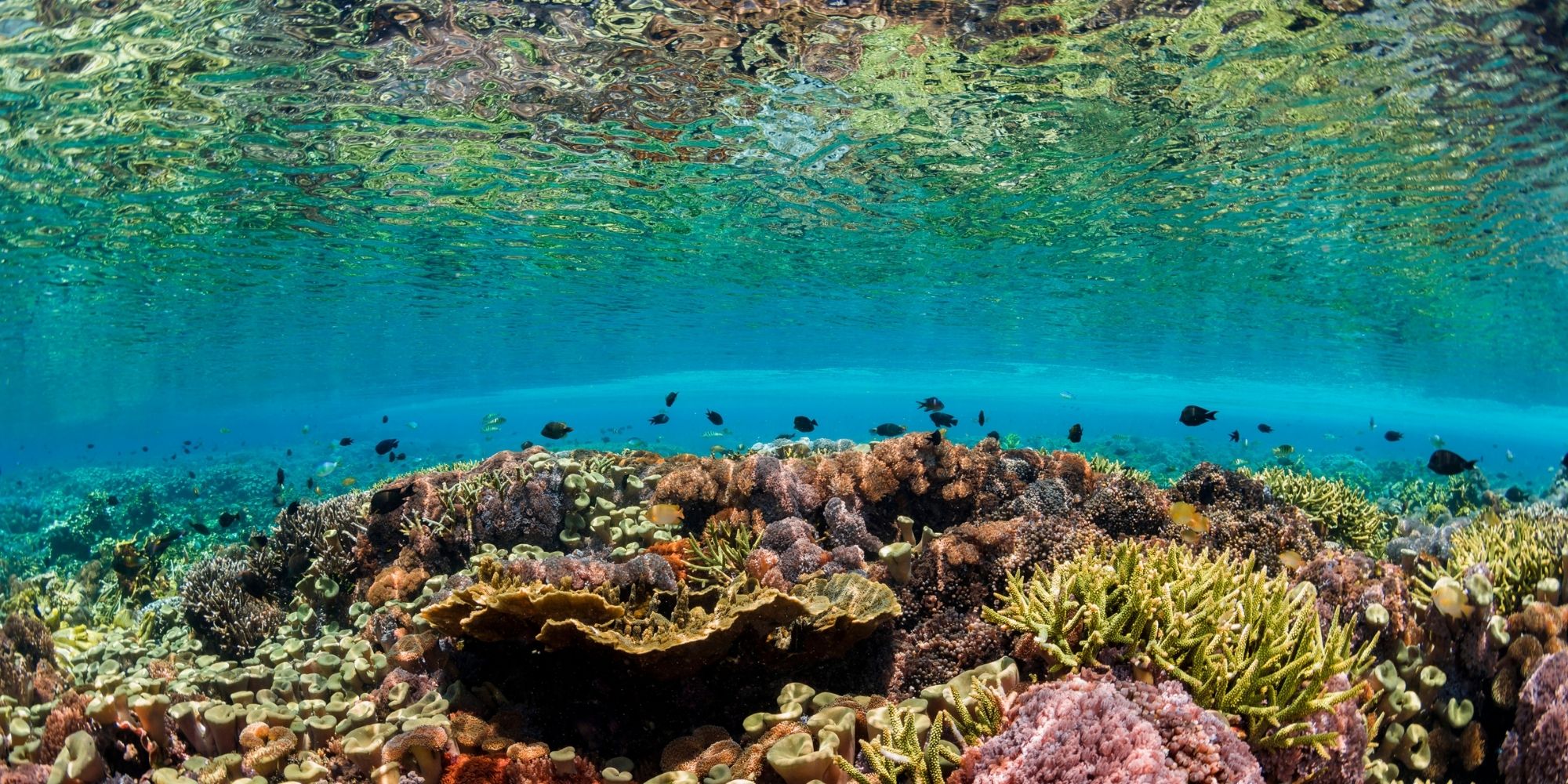
Photo Credit: Beth Watson / Ocean Image Bank
Thank you—your purchase supports coral reef conservation efforts around the world!
Did you know that scientists predict that all coral reefs will be threatened by 2050? But there is still reason for hope. Scientific research shows that coral reefs can adapt to the effects of climate change if given the right conditions such as clean water, health fisheries, and intact ecosystems.
By saving coral reefs from the effects of climate change, you help more than a million marine species and support countless communities that depend on coral reefs for food, income, and coastal protection.
Stay Connected

See Where Your Donation Goes
-
Where to See the World’s Most Beautiful Coral Reefs
Most people have a reef on their travel bucket list. Maybe it’s Australia’s Great Barrier Reef. Maybe it’s the crystal-clear waters of French Polynesia or the incredibly biodiverse reefs of the Philippines. Every year, millions of people travel the world hoping to experience one of nature’s greatest wonders. But here’s the fun part: no two…
-
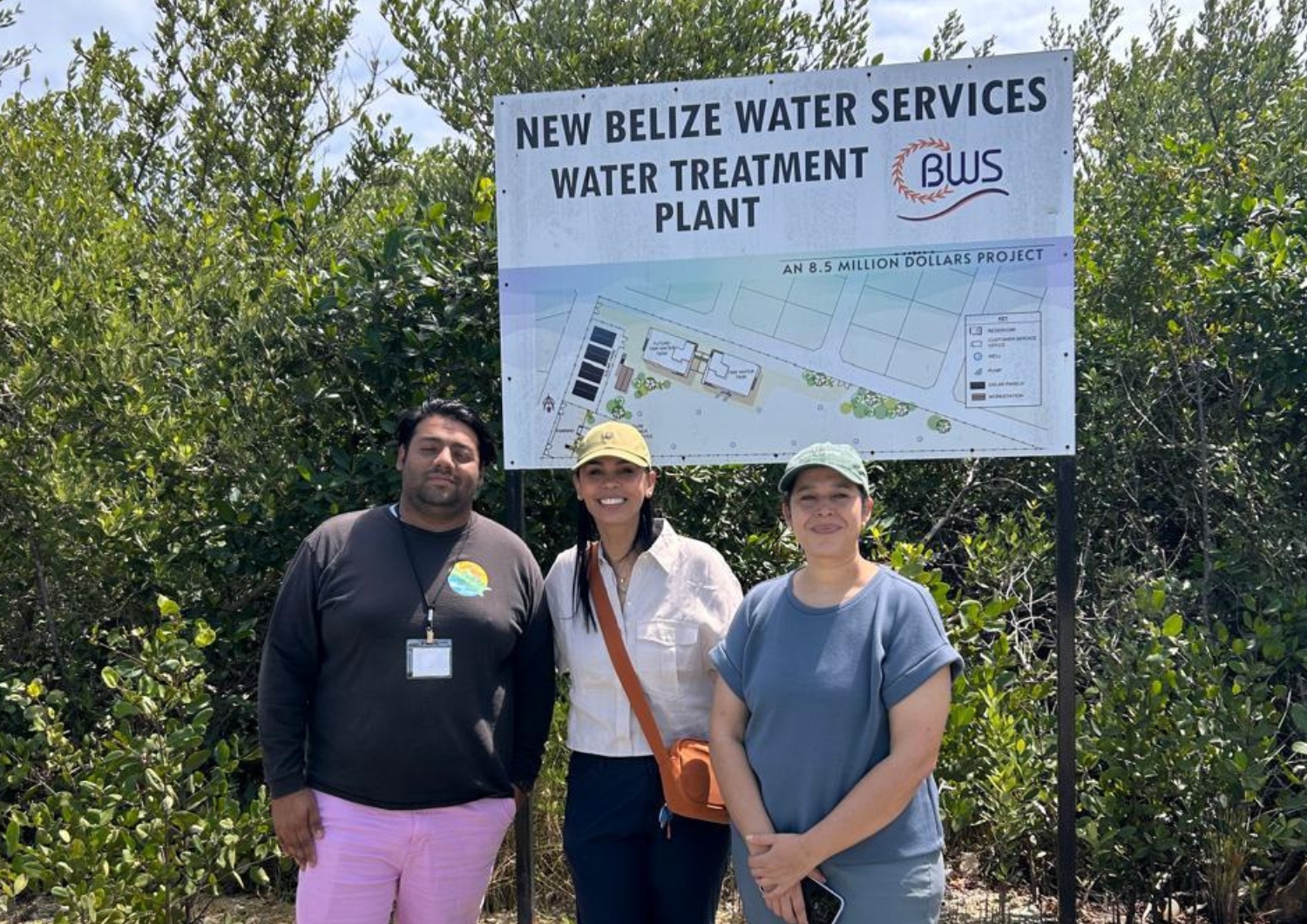
How Better Wastewater Management Can Protect Belize’s Coral Reefs
When people think about threats to coral reefs, they usually imagine coral bleaching or rising ocean temperatures. While climate change remains the greatest long-term challenge, another threat is harming reefs every day, and it often goes unnoticed. Untreated wastewater. Around the world, wastewater carries excess nutrients, bacteria, and other pollutants into coastal waters. These pollutants…
-
Can an MPA really be protected if there’s a sewage problem?
For decades, the playbook for saving our oceans has been relatively straightforward: draw a line on a map, declare it a Marine Protected Area (MPA), and restrict activities like commercial fishing, shipping, and industrial drilling. It sounds like a solid plan, and on paper, it looks even better. But there’s a glaring, dirty truth these…