Thank You For Protecting Coral Reefs
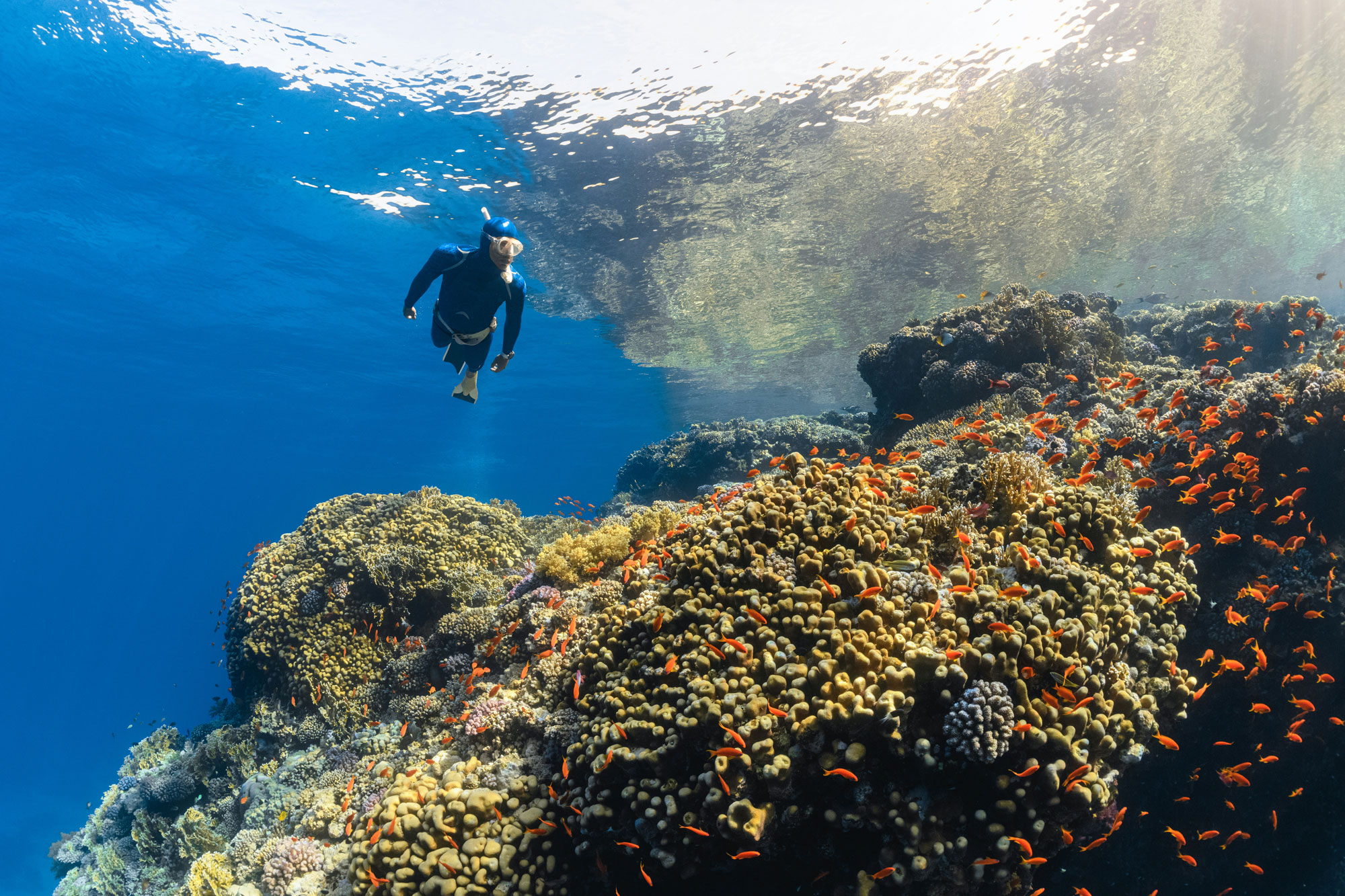
Photo Credit: Beth Watson / Ocean Image Bank
Thank you—your purchase supports coral reef conservation efforts around the world!
Did you know that scientists predict that all coral reefs will be threatened by 2050? But there is still reason for hope. Scientific research shows that coral reefs can adapt to the effects of climate change if given the right conditions such as clean water, health fisheries, and intact ecosystems.
By saving coral reefs from the effects of climate change, you help more than a million marine species and support countless communities that depend on coral reefs for food, income, and coastal protection.
Stay Connected
See Where Your Donation Goes
-
How the Best Ocean Conservation Charities Are Saving Coral Reefs
Did you know coral reefs are some of the most important ecosystems in the world? Although they cover just 0.1% of the ocean floor, coral reefs support a quarter of all marine life and more than 500 million people with food, income, and coastal protection. We can’t protect the ocean and many of its diverse…
-
Top Takeaways from the World’s Fourth Mass Coral Bleaching Event
Coral reefs around the world experienced the fourth mass coral bleaching event from 2023 to 2025, impacting the health of one of the ocean’s most valuable and colorful ecosystems. Recent findings from the National Oceanic and Atmospheric Administration (NOAA) show how corals were affected. In light of Coral Bleaching Awareness Month, a global movement led…
-
Adopt a Coral or Support the Whole Reef?
If you’ve ever searched for ways to help coral reefs, you’ve probably come across the opportunity to “adopt a coral.” It’s easy to understand the appeal. You can picture the coral you’re helping, follow its story, and feel connected to something happening underwater thousands of miles away. And coral restoration has an important role to…