Blog
Photo by Ryan Pernofski
-
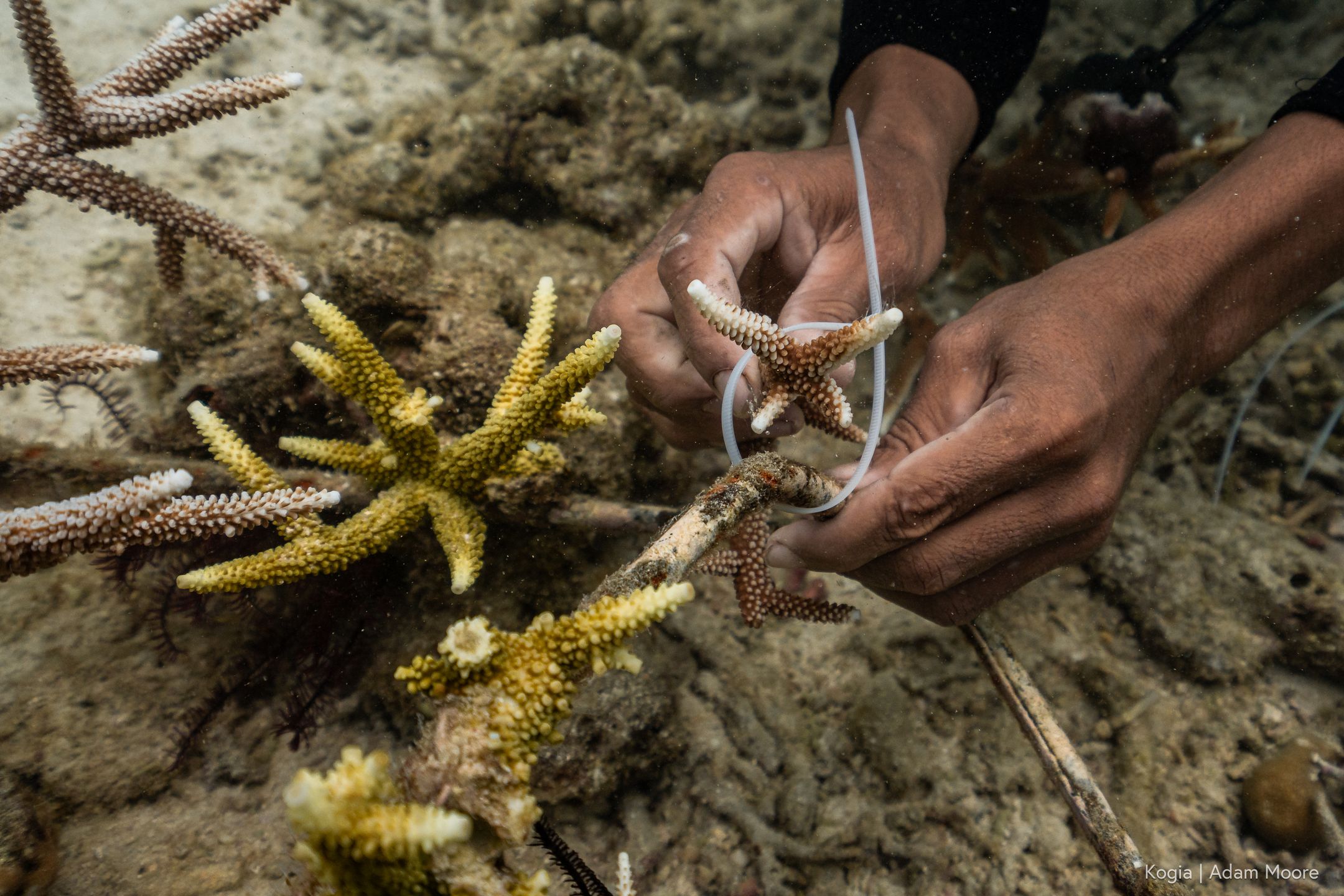
Adopt a Coral or Support the Whole Reef?
If you’ve ever searched for ways to help coral reefs, you’ve probably come across the opportunity to “adopt a coral.” It’s easy to understand the appeal. You can picture the coral you’re helping, follow its story, and feel connected to something happening underwater thousands of miles away. And coral restoration has an important role to…
-
Where to See the World’s Most Beautiful Coral Reefs
Most people have a reef on their travel bucket list. Maybe it’s Australia’s Great Barrier Reef. Maybe it’s the crystal-clear waters of French Polynesia or the incredibly biodiverse reefs of the Philippines. Every year, millions of people travel the world hoping to experience one of nature’s greatest wonders. But here’s the fun part: no two…
-
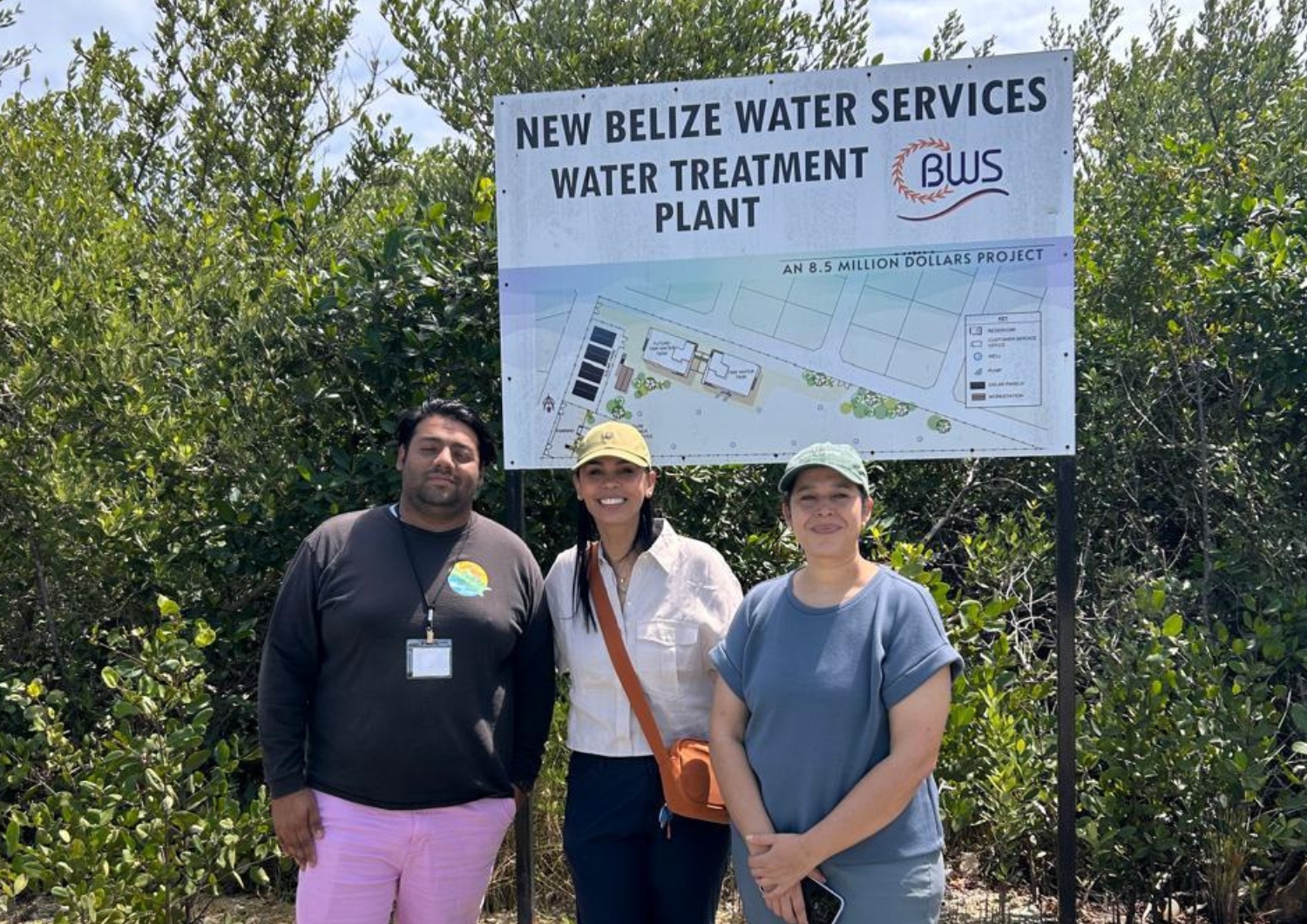
How Better Wastewater Management Can Protect Belize’s Coral Reefs
When people think about threats to coral reefs, they usually imagine coral bleaching or rising ocean temperatures. While climate change remains the greatest long-term challenge, another threat is harming reefs every day, and it often goes unnoticed. Untreated wastewater. Around the world, wastewater carries excess nutrients, bacteria, and other pollutants into coastal waters. These pollutants…
-
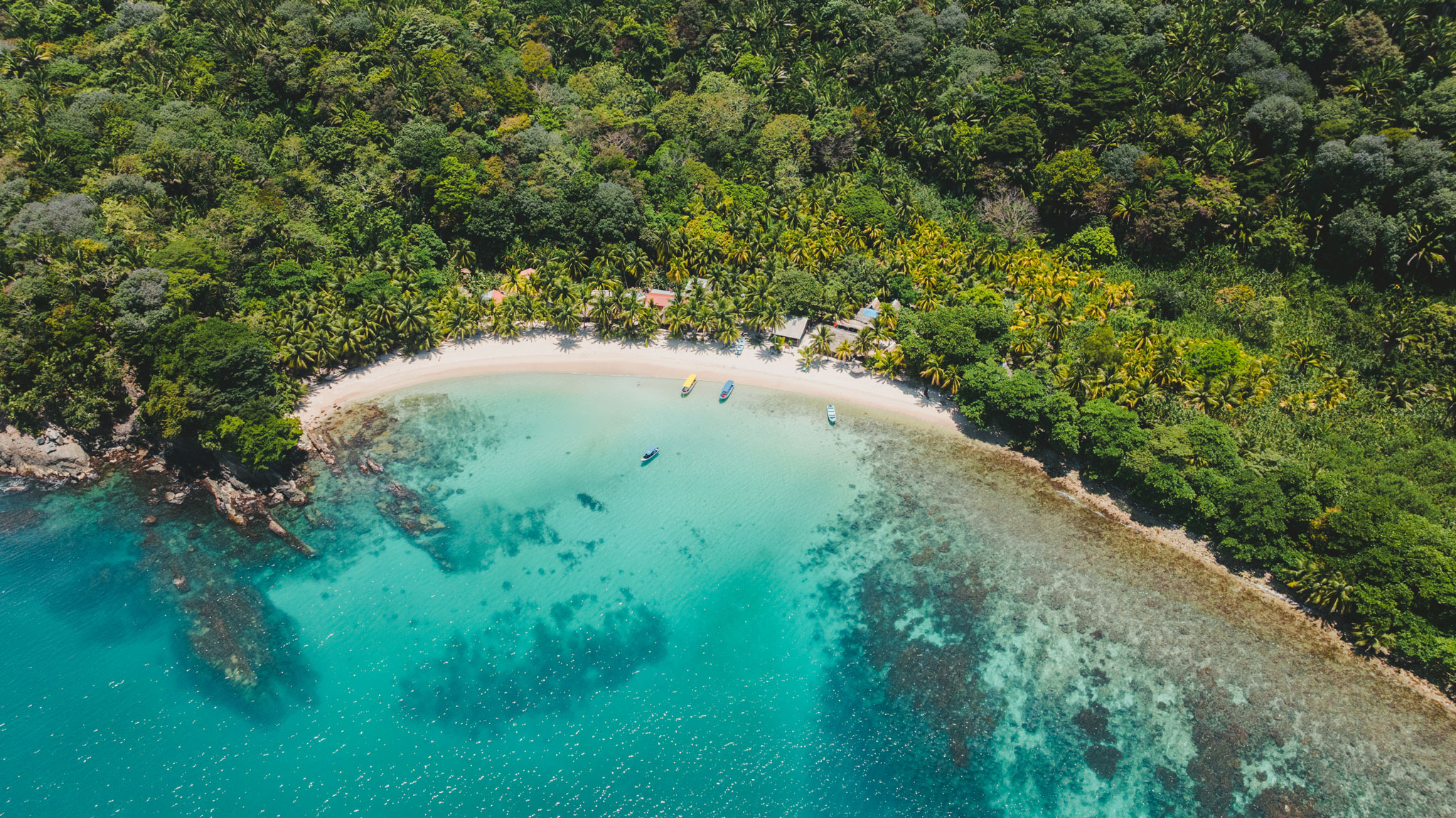
Can an MPA really be protected if there’s a sewage problem?
For decades, the playbook for saving our oceans has been relatively straightforward: draw a line on a map, declare it a Marine Protected Area (MPA), and restrict activities like commercial fishing, shipping, and industrial drilling. It sounds like a solid plan, and on paper, it looks even better. But there’s a glaring, dirty truth these…
-
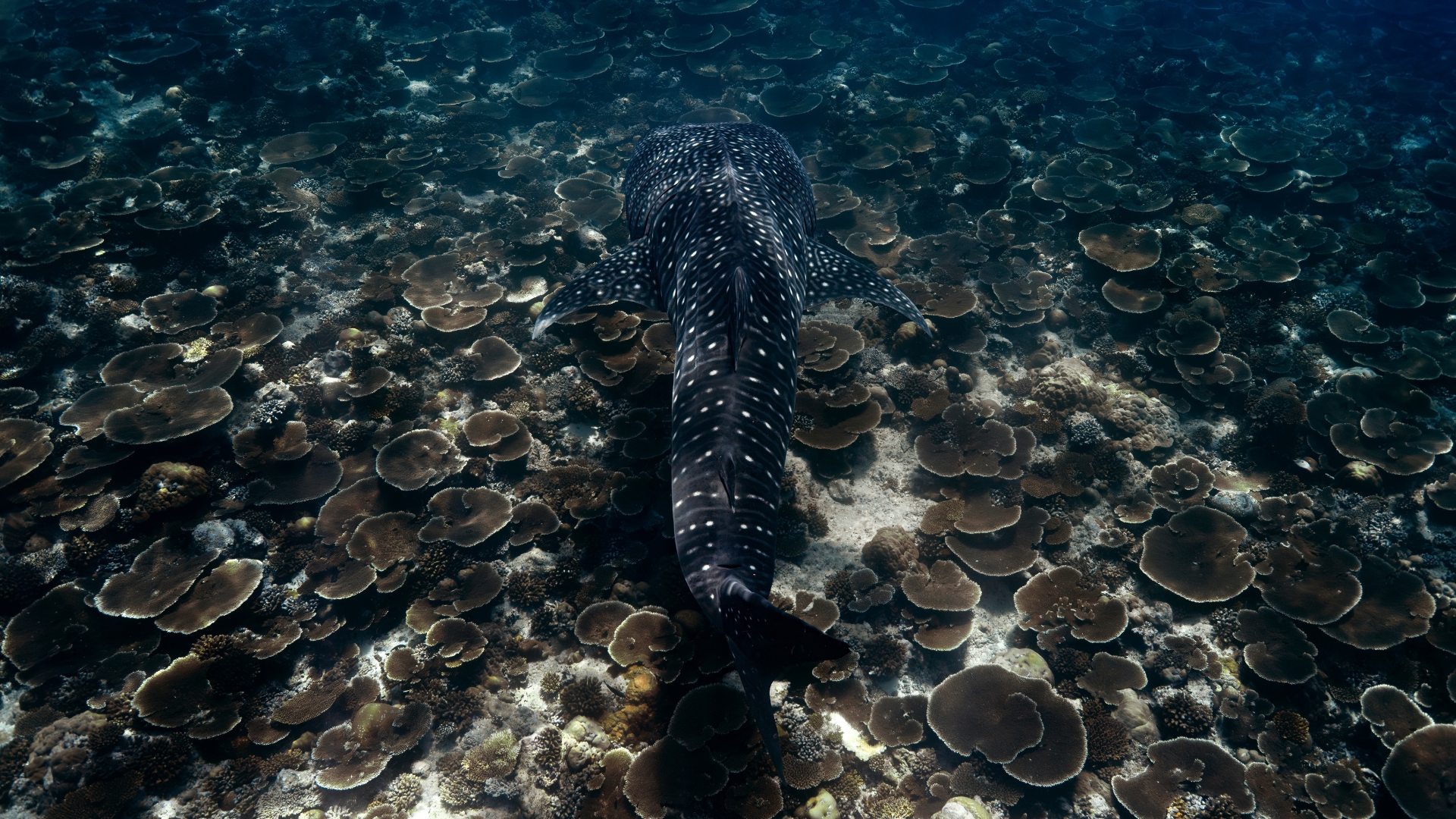
Meet Kaush Subramaniam, Wildlife Biologist, Photographer, and Filmmaker
Join us in welcoming Kaush, our newest CORAL Ambassador! From documenting whales and sharks to sharing stories from some of the world’s most remarkable marine ecosystems, Kaush has built a career at the intersection of science, conservation, and storytelling. As a wildlife biologist, photographer, and filmmaker, he uses powerful imagery to help people connect with…
-
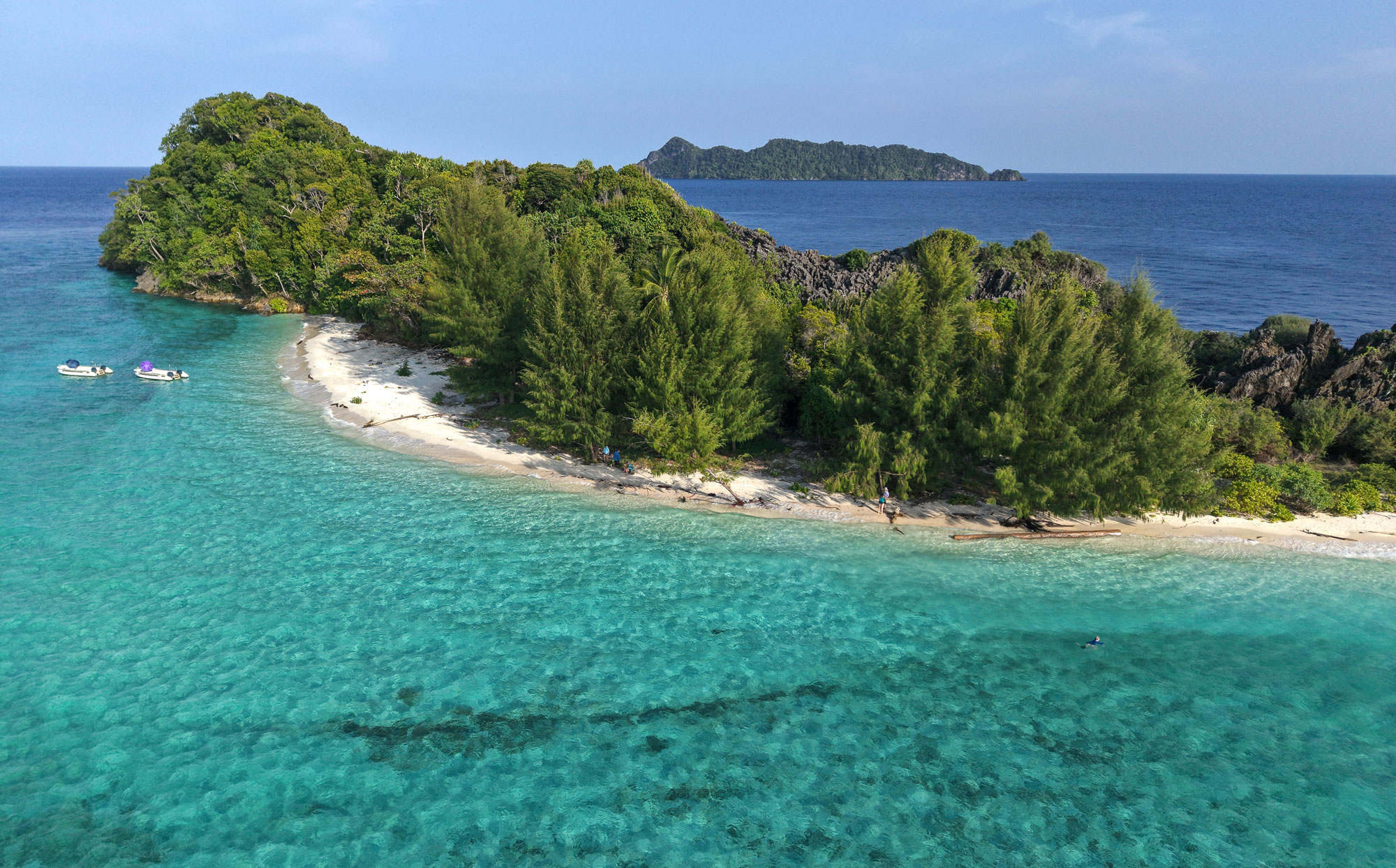
Invisible Threats to Coral Reefs
The most dangerous threats to coral reefs are the ones you can’t see. This World Oceans Month, we’re diving into these invisible threats and what we’re doing to address them. Every year in June, we rally together around the world to celebrate our oceans. We talk about the ways our oceans give us life, how…
-
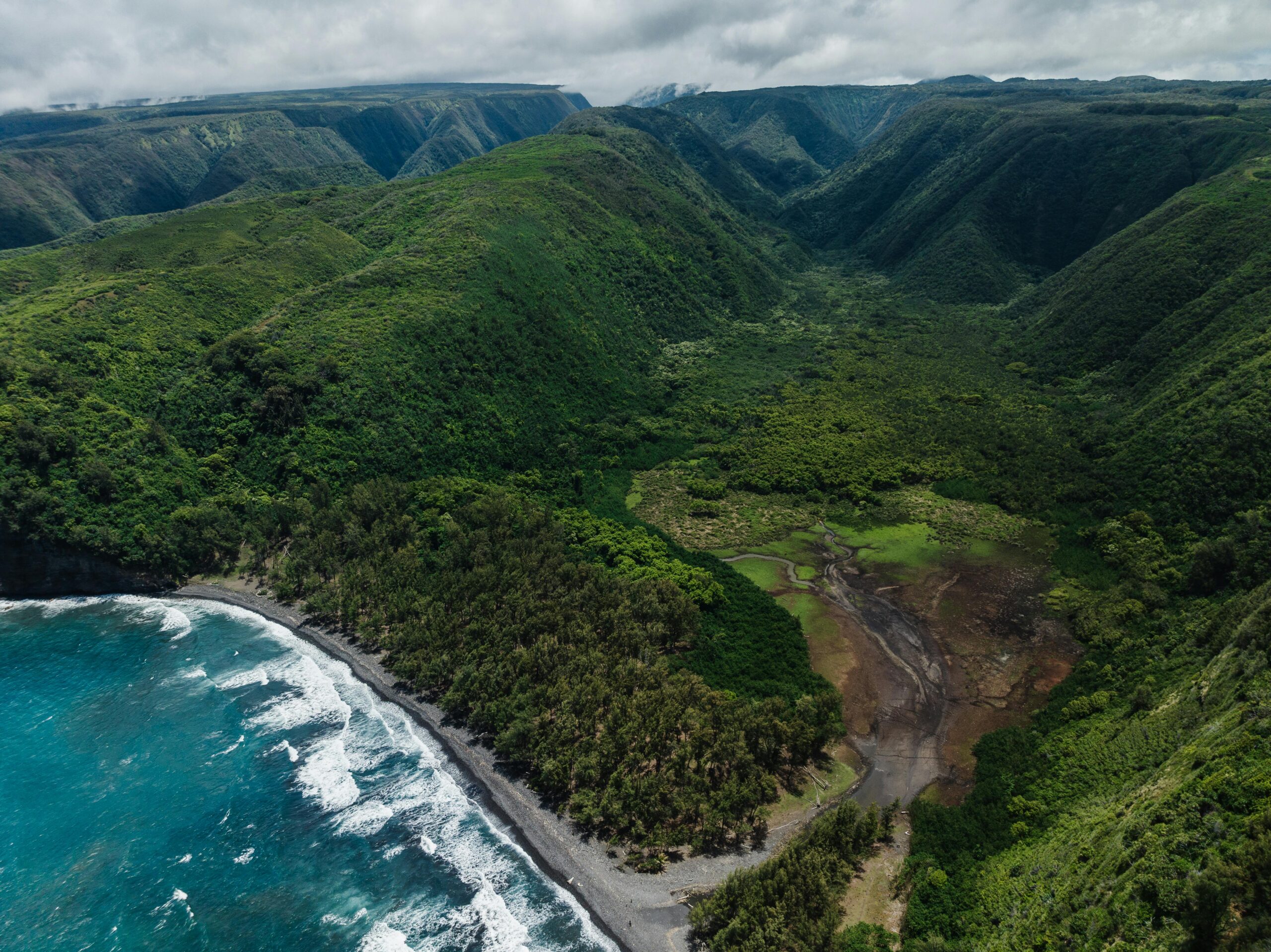
What is a Riparian Zone?
A riparian zone is the area of land alongside rivers, streams, and other freshwater systems where water and land meet. These spaces are often lined with native vegetation, including trees, shrubs, grasses, and wetlands that help stabilize soil and support biodiversity. Riparian zones may seem far removed from coral reefs, but they are deeply connected.…
-
What Does El Niño Mean for Coral Reefs?
In 1997-8, a powerful El Niño event spread across the Pacific Ocean, driving record-breaking sea surface temperatures and triggering the first documented global coral bleaching event. Reefs from the Indian Ocean to the Caribbean experienced widespread stress, and in some regions, significant coral mortality followed. According to the National Oceanic and Atmospheric Administration (NOAA), this…
-
![Coral Diversity, Where Adaptation Begins [Photo Gallery]](https://static.coral.org/uploads/2026/04/Cover-by-Ocean-Image-Bank-Noemi-Merz-scaled.jpg)
Coral Diversity, Where Adaptation Begins [Photo Gallery]
Think of a coral reef as a bustling city, full of unique homes, buildings, and landscapes. And with that, unique residents who all serve different purposes. This diversity is key to any city. The same is true underwater. The diversity of corals—along with the fish, invertebrates, and algae that live among them—is what keeps reef…