Conservation Science
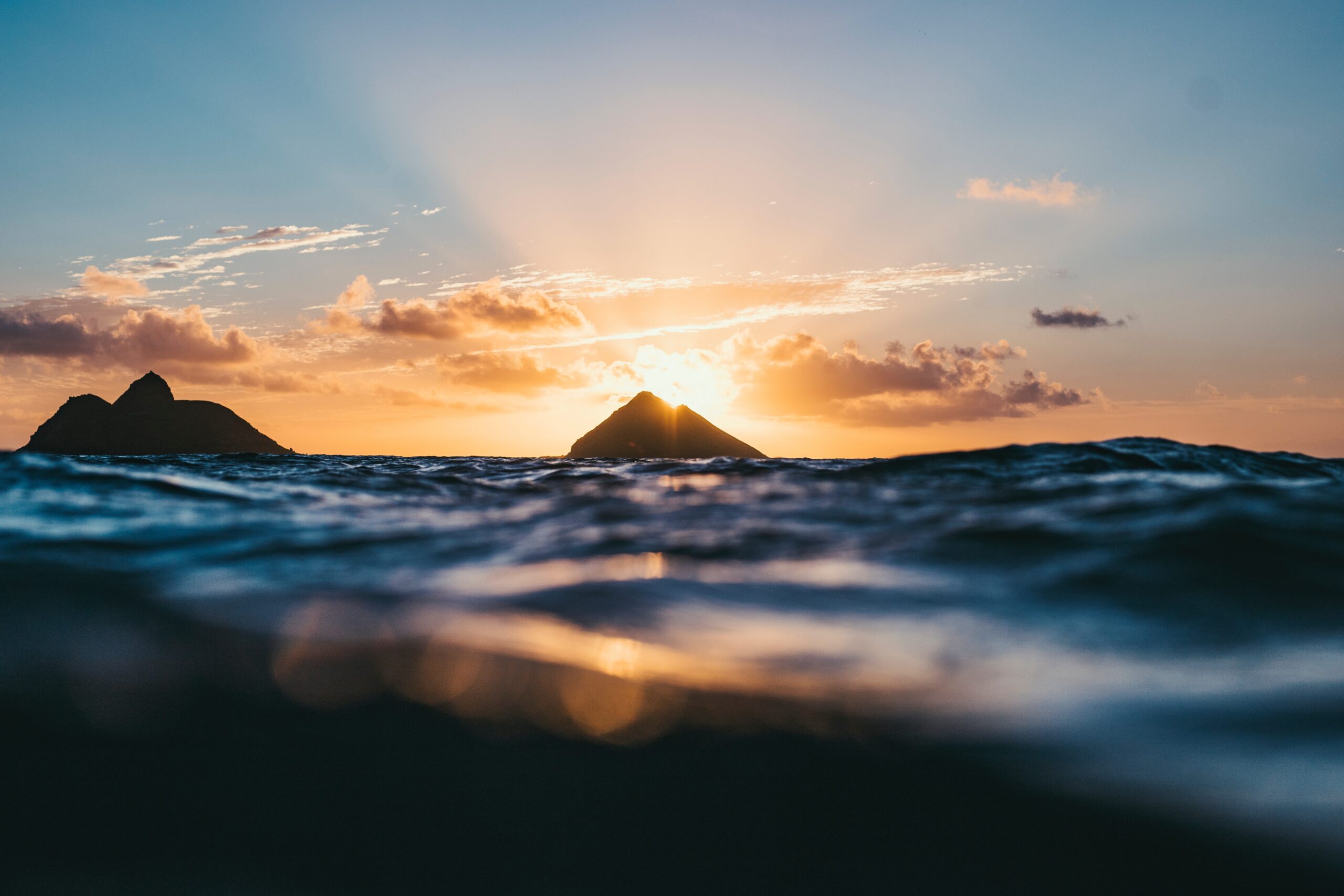
Photo by Ryan Pernofski
-
What Does El Niño Mean for Coral Reefs?
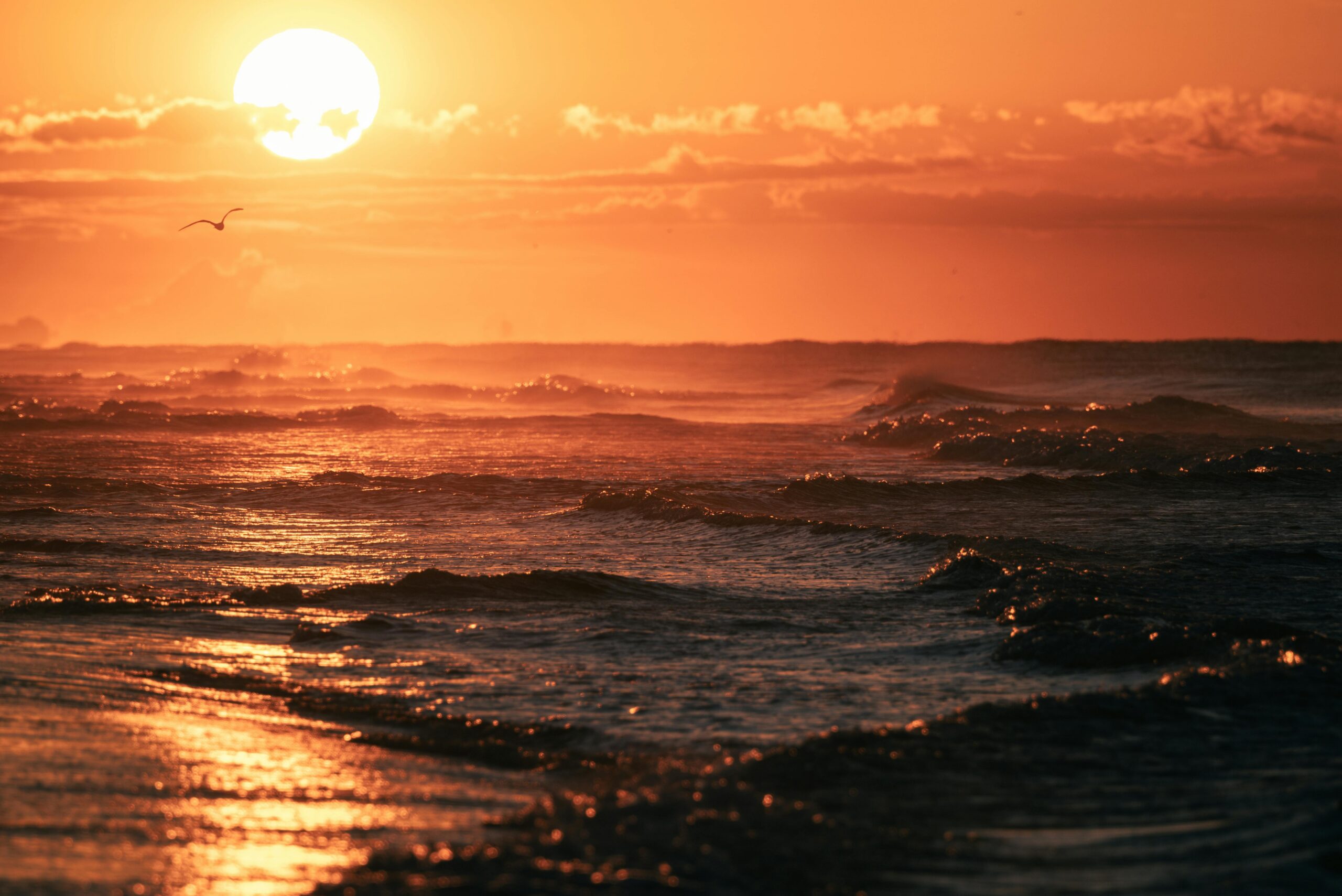
In 1997-8, a powerful El Niño event spread across the Pacific Ocean, driving record-breaking sea surface temperatures and triggering the first documented global coral bleaching event. Reefs from the Indian Ocean to the Caribbean experienced widespread stress, and in some regions, significant coral mortality followed. According to the National Oceanic and Atmospheric Administration (NOAA), this
-
![Coral Diversity, Where Adaptation Begins [Photo Gallery]](https://static.coral.org/uploads/2026/04/Cover-by-Ocean-Image-Bank-Noemi-Merz-scaled.jpg)
Coral Diversity, Where Adaptation Begins [Photo Gallery]
Think of a coral reef as a bustling city, full of unique homes, buildings, and landscapes. And with that, unique residents who all serve different purposes. This diversity is key to any city. The same is true underwater. The diversity of corals—along with the fish, invertebrates, and algae that live among them—is what keeps reef
-
Why Connected Reefs Matter for the Future of Coral Conservation
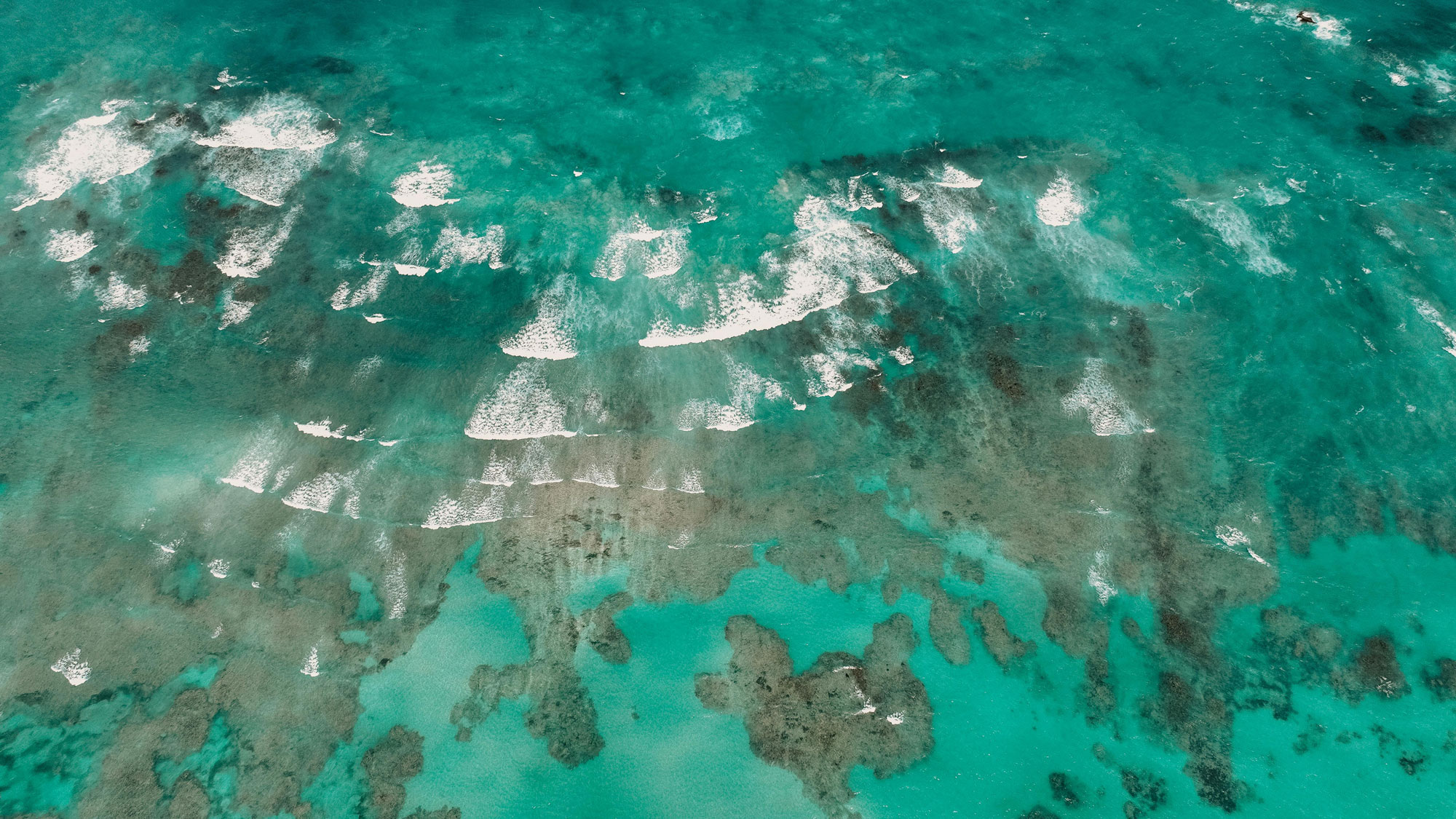
Coral reefs are facing more pressure than ever, specifically warming oceans, land-based pollution, and overfishing. But despite these growing challenges, reefs still have an incredible capacity to adapt. The key is making sure they’re healthy, connected, and supported at scale. At the Coral Reef Alliance (CORAL), our conservation strategy focuses on building connected reef networks—large,
-
![How Coral Adaptation Works and Why It Matters for Reef Survival [Video]](https://static.coral.org/uploads/2026/03/CORAL-scientist-Sarah-Severino-tests-water-turbidity-in-Molokai.jpeg)
How Coral Adaptation Works and Why It Matters for Reef Survival [Video]
Coral reefs are changing. Warmer oceans, polluted water, and shifting ecosystems are rewriting the conditions reefs have depended on for thousands of years. What often gets lost in that conversation is this: corals are not static and some even have the genetic ability to adapt. At the Coral Reef Alliance (CORAL), adaptation is not a
-

Exploring Reef Resilience Through the Science of Coral Adaptation
Coral reefs are some of the most extraordinary ecosystems on the planet. They support a quarter of all marine life, provide food and income to over a billion people, and offer a natural barrier protecting coastlines from storms and erosion. But these vibrant underwater cities face increasing pressure from climate change, overfishing, pollution, and more.
-

Assessing Coral Reefs through Adaptation Science
Coral reefs are powerful yet vulnerable ecosystems, rich in biodiversity but increasingly at risk in a changing world. Here at the Coral Reef Alliance, our team advances science to assess the adaptive capacity of corals, protect diverse reef networks, and restore marine ecosystems by influencing management and policy decisions. Our research shows coral reefs can
-

Mariculture: An Innovative Approach to Coral Conservation
Currently, population growth in coastal areas has led to an increase in fishing activity in different parts of the world. Naturally, higher populations demand greater economic outputs as the need for food and household income also grows. Coastal communities such as those in Honduras’ Tela Bay are experiencing significantly greater pressures on fishing resources and,
-

Coral Reefs in a Changing Climate: Expanding to the Coral Triangle
Coral reefs are some of the most biodiverse ecosystems on the planet, providing critical habitat for countless species of fish, invertebrates, and other marine life. Unfortunately, coral reefs are also highly vulnerable to the impacts of climate change, including rising sea temperatures, ocean acidification, and more frequent and intense storms. This has led to a
-

Curbing the Spread of Stony Coral Tissue Loss Disease in the Honduran Bay Islands
Reef-building corals have faced unprecedented damage over the past century, primarily due to increasing human pressure on coral communities. One of the most devastating challenges faced by Caribbean corals is the outbreak of stony coral tissue loss disease (SCTLD), which was first detected in Florida in 2014. Since then, it has rapidly spread to 26