Videos
Credit: Andy Casagrande / Ocean Image Bank
-
Local Project Led by Women Combats Overfishing in Honduras
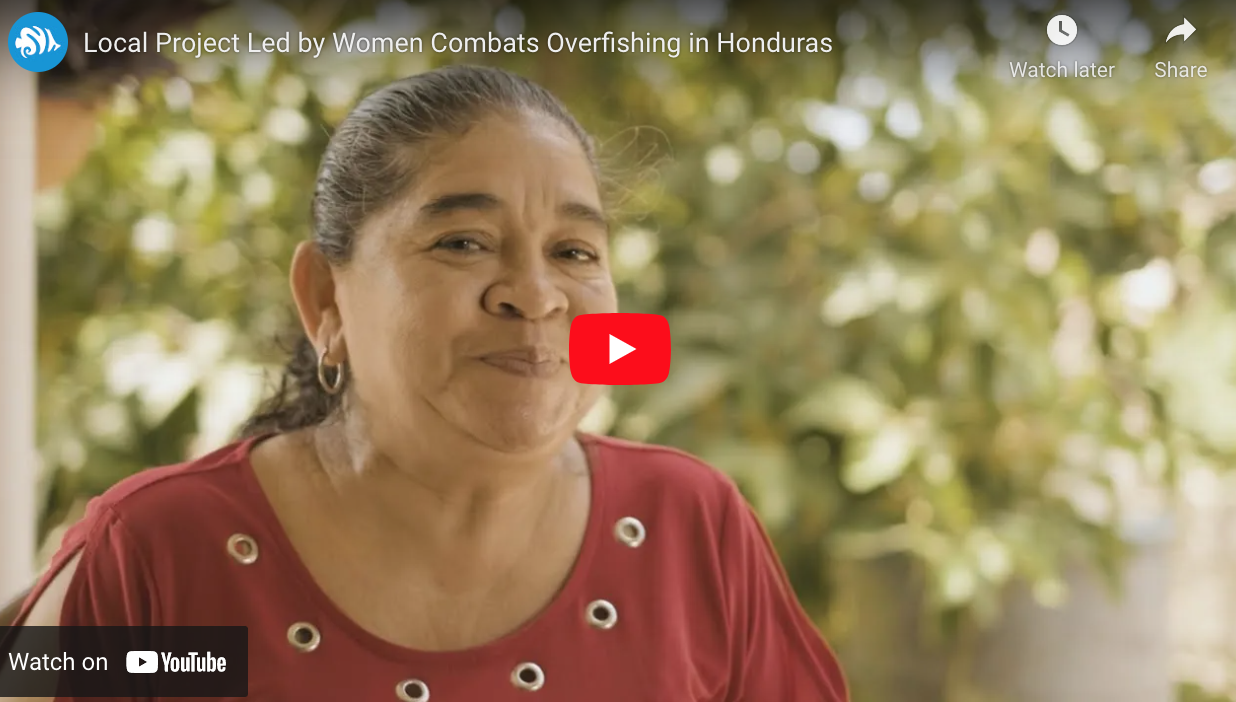
In Tela Honduras, a local farming project is helping to combat overfishing and repopulate the area’s vital coral reefs. The initiative supports local efforts that utilize alternative sources of food and income, in order to support a coastal community that is highly dependent on fishing. Our financial support, along with assistance from Tela’s environmental committee,
-
Your FAQs About Coral Reefs, Answered
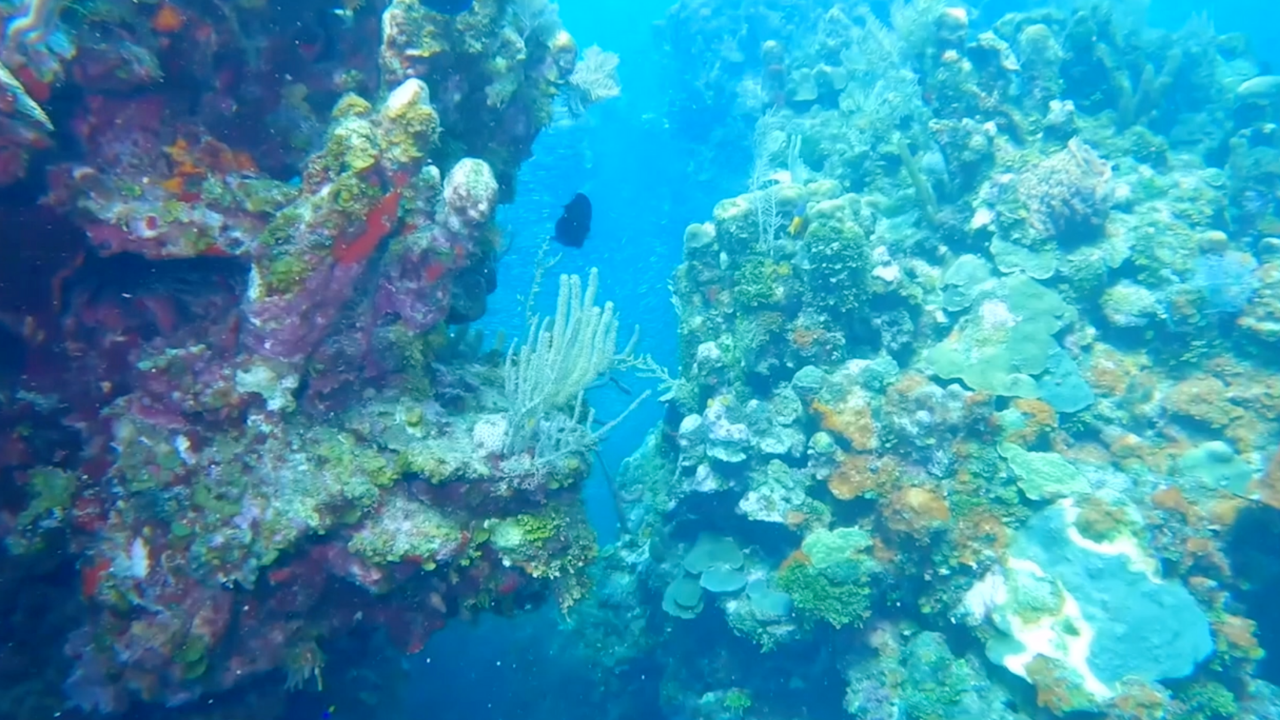
We all know coral reefs are beautiful…but to many of us, they are also a bit of a mystery. Here at CORAL, we are dedicated to saving the world’s coral reefs and regularly receive questions about what they are and why they’re so important. To clear up your doubts, Dr. Helen Fox, CORAL’s Conservation Science
-
Thank You For Fighting Stony Coral Tissue Loss Disease
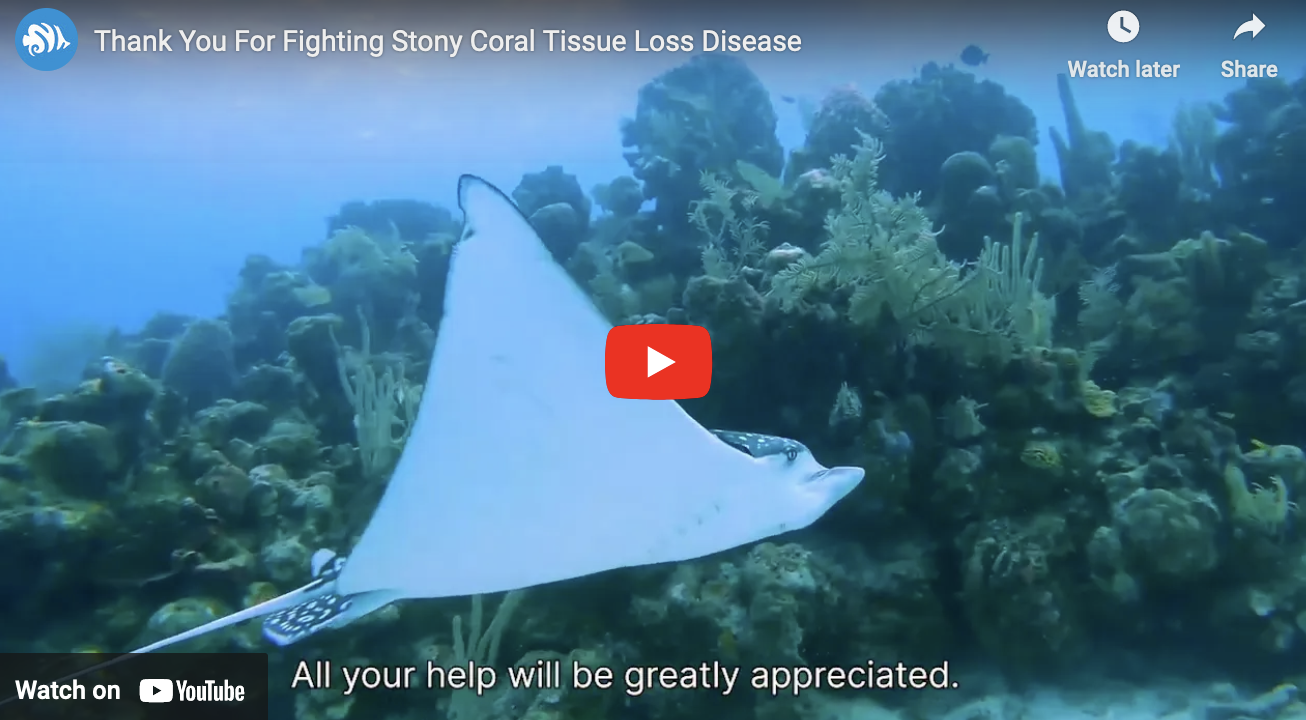
Stony Coral Tissue Loss Disease (SCTLD), a new illness that kills the soft tissue of more than 25 coral species, has been wreaking havoc underwater in the Mesoamerican Reef region. To fight back, we are working with local partners to stop the spread and ultimately save our valuable coral reefs. SCTLD moves quickly and has
-

Thank You for Investing in Water and Sanitation
Clean water is critical—both for the health of coral reefs and the communities that depend on them. That’s why we support sanitation efforts in places like Coxen Hole, Honduras. Coxen Hole is a community on the island of Roatan, which is located just off the country’s northern coastline. Coxen Hole depends on its coral reefs,
-

New Educational Videos That Focus on Protecting Coral Reefs
After more than 25 years of coral reef conservation work, we’ve celebrated many successes and evaluated lessons learned. We firmly believe that by sharing our gained knowledge, we will reach new communities in the world and help implement actions that protect coral reefs. In recent educational videos, Dr. Antonella Rivera, CORAL’s Principle Investigator in Tegucigalpa,
-
Thank You for Supporting CORAL’s Volunteers in Maui
We are proud to support a dedicated team of local volunteers in Maui, Hawai’i, as they work to protect the valuable coral reefs in their community. By using “best management practices,” which are effective measures used to reduce marine pollution, we are able to minimize sediment pollution on coral reefs. Our volunteers grow and plant native
-
Local Honduran Committee Takes Action to Protect Coastal Marine Ecosystems
At CORAL, we proudly work side-by-side with local partners that are dedicated to protecting coastal areas, mitigating direct threats to coral reefs, and serving the local community. By ensuring local communities maintain ownership over their own resources, we build conservation solutions that survive the test of time. This is especially true in Honduras, where we
-
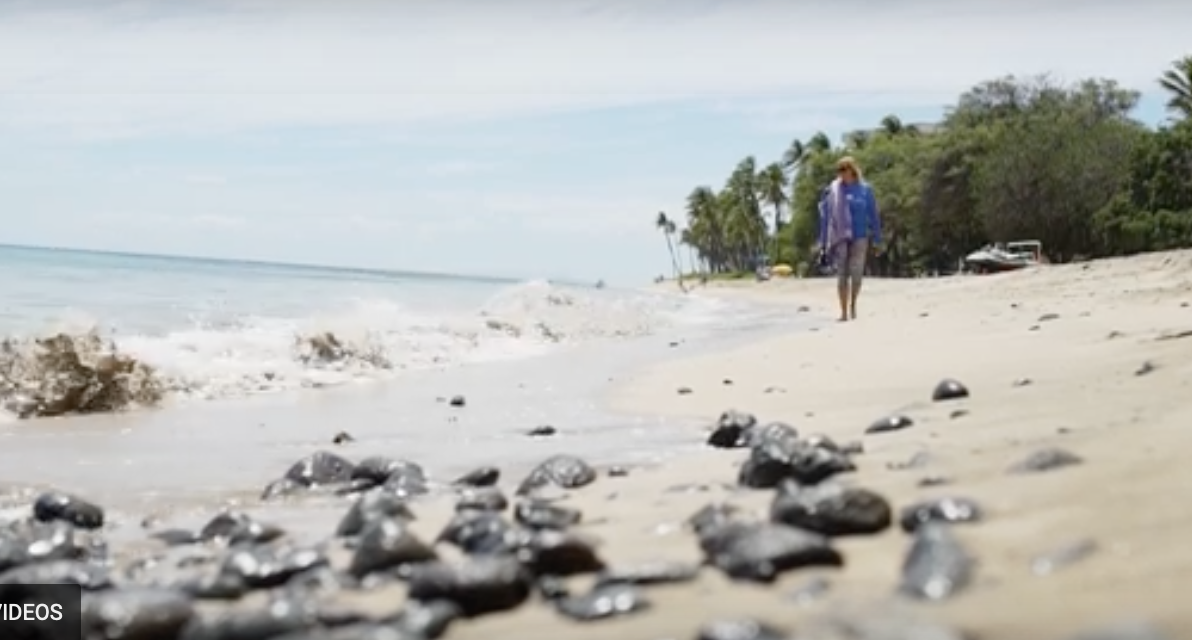
Using Native Plants to Protect Coral Reefs
In West Maui, Hawai‘i, CORAL’s Senior Program Manager Jennifer Vander Veur shares how our actions on land can impact what happens under the sea. Run-off sediment is threatening nearby coral reefs and making it harder for them to survive. To address this problem, Vander Veur leads our efforts to protect coral reefs by using native
-
Restoring Native Forest Ecosystems in Maui, Hawaii
In the Wahikuli Watershed in Maui, Hawai‘i, the CORAL field team restores native forest ecosystems to protect coral reefs. In this location, extra sediment often moves down from the mountains and onto nearby reefs, causing stress to the corals. By adding native plant rows, the team is able to trap sediment and prevent it from