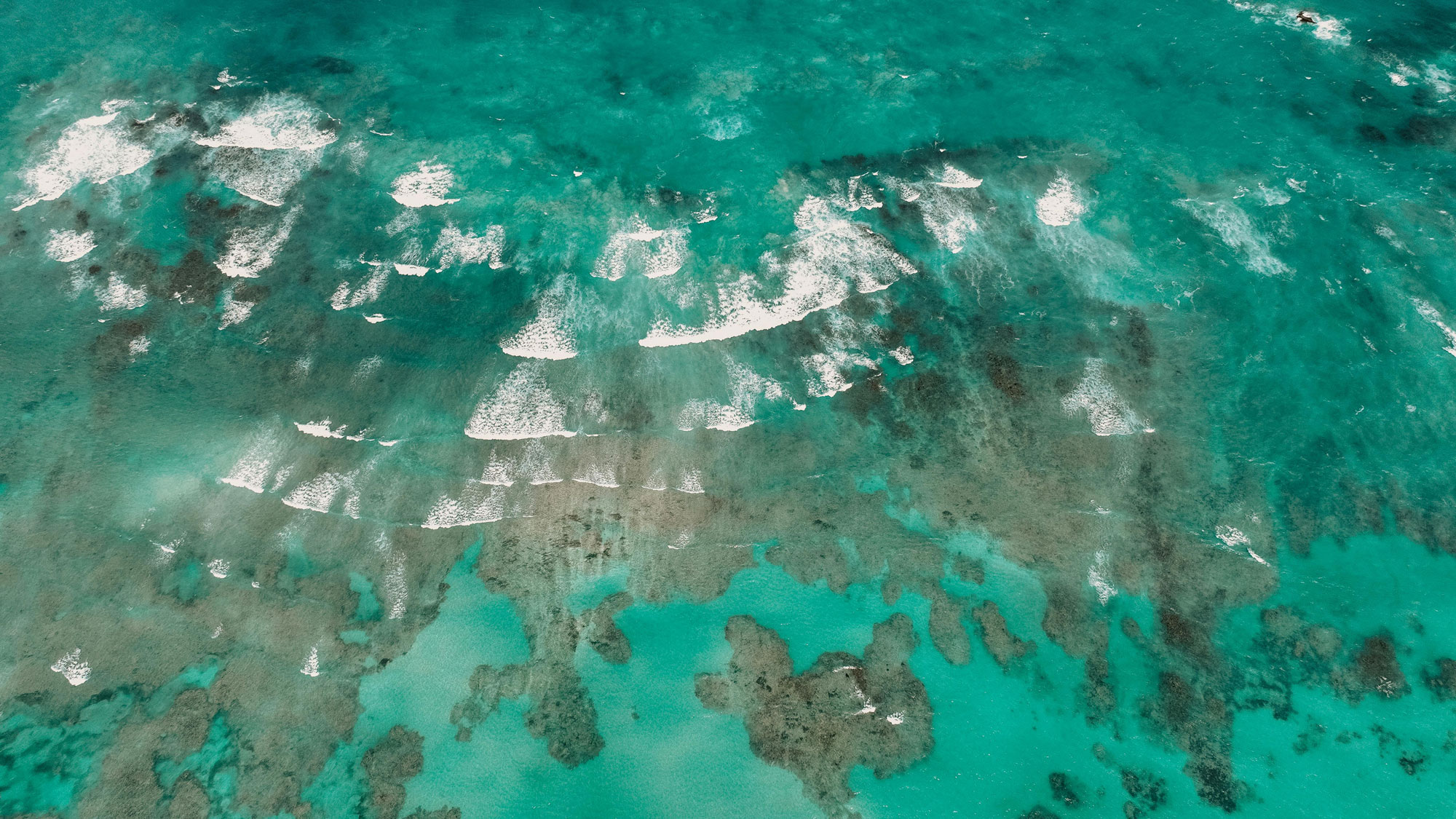
Coral reefs are facing more pressure than ever, from warming oceans to pollution, overfishing, and coastal development. But despite these growing challenges, reefs still have an incredible capacity to adapt. The key is making sure they’re healthy, connected, and supported at scale.
At the Coral Reef Alliance (CORAL), our conservation strategy focuses on building connected reef networks—large, diverse reef systems that give corals the best chance to survive climate change and support coastal communities for generations to come.
Why Connectivity Is Critical for Coral Reefs
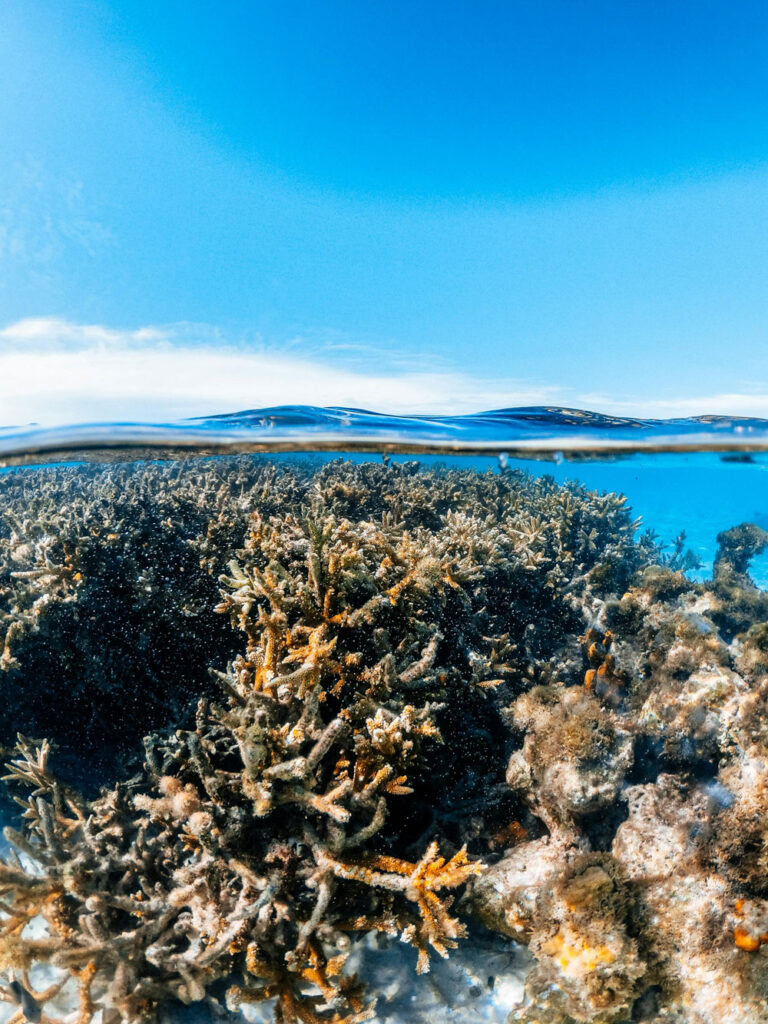
Coral reefs don’t exist in isolation. They function as part of larger, interconnected systems linked by ocean currents, migrating fish, and drifting coral larvae. When reefs are connected, larvae from healthier, more heat-tolerant corals can settle on nearby reefs, helping damaged reefs recover and supporting genetic diversity across regions.
This connectivity matters more than ever as ocean temperatures rise. Some corals are naturally more tolerant of heat stress. When reefs are connected, those adaptive traits can spread, increasing the likelihood that coral populations across an entire region can withstand future warming events.
In short: connected reefs are more resilient reefs.
What Makes a Strong Connected Reef Network?
Science shows that reefs are more likely to persist when conservation focuses on networks that are:
Diverse
Reef networks need a wide range of habitats, species, and genetic diversity. Diversity gives corals more options to adapt as conditions change.
Well-connected
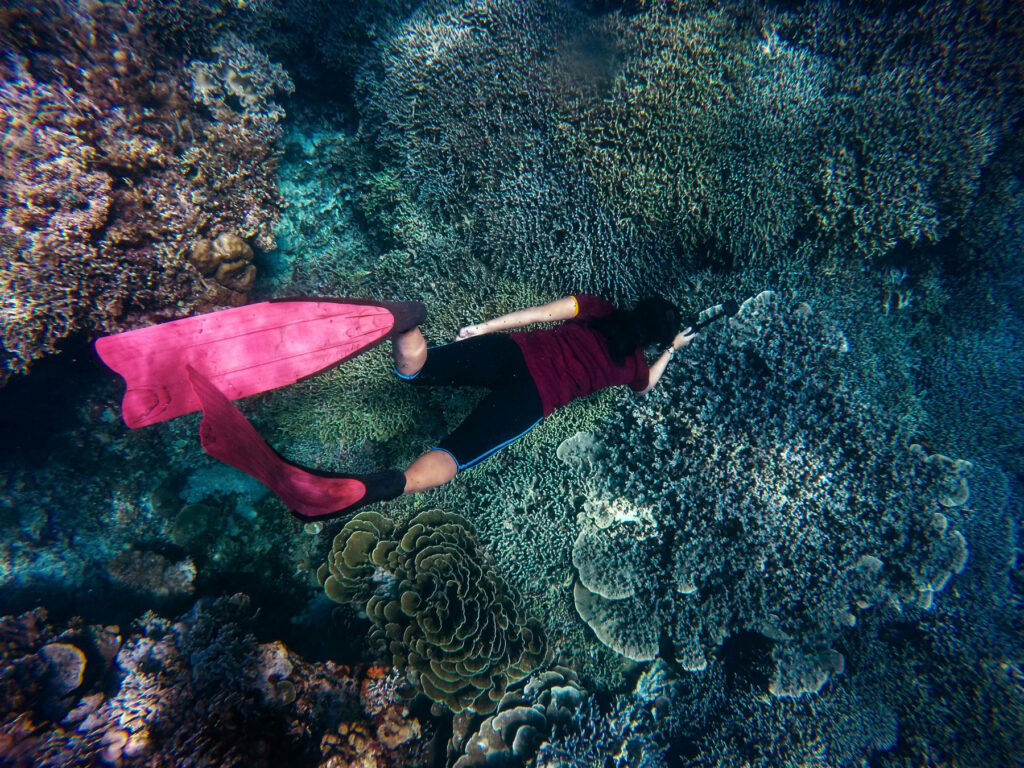
Healthy reefs must be linked so coral larvae, fish, and other marine life can move between them. Connectivity supports recovery, replenishes populations, and strengthens ecosystems.
Vast
Scale matters. Larger reef networks are better able to absorb disturbances like storms, bleaching events, or disease outbreaks without collapsing entirely.
Together, these characteristics create reef systems that are better prepared for climate change and better able to support people who rely on reefs for food, livelihoods, and coastal protection.
Turning Reef Connectivity Science Into Action
CORAL works with scientists, local communities, and governments to identify reefs that play an outsized role in maintaining diversity across regions. We then help reduce local threats that weaken reef health, such as poor water quality and unsustainable fishing.
By focusing on clean water, healthy fish populations, and effective local management, we help reefs maintain the conditions they need to support connectivity and long-term resilience.
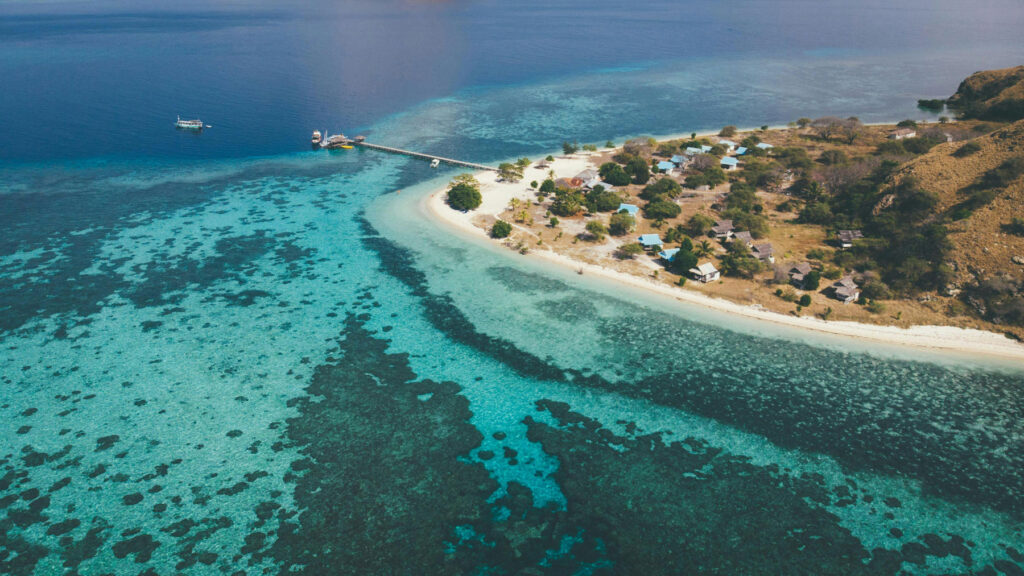
This approach allows conservation investments to go where they matter most, strengthening entire reef networks rather than isolated sites.
Why Connected Reefs Are Central to CORAL’s Strategy
CORAL’s strategic plan is built around one clear goal: protecting the reefs most likely to survive climate change and help repopulate others. Connected reef networks make that possible.
When reefs are healthy, well-managed, and connected, they can act as sources of recovery for surrounding areas, spreading resilience across entire regions. That’s how we move from focusing solely on individual reefs to protecting reef systems at scale.
A Future Built on Connected Reefs
Coral reefs have survived massive changes over millions of years. By protecting connected reef networks today, we’re giving them the best possible chance to continue doing what they do best: support marine life, protect coastlines, and sustain millions of people worldwide.
Protecting connected reefs isn’t just good science—it’s smart, strategic conservation for a rapidly changing planet.
